Your Secret Garden: Top Landscaping & Design Ideas for Ultimate Backyard Privacy
29
Jan
2026
Author:
Rob Thibeault
Why Your Backyard Deserves to Be Your Personal Sanctuary
Backyard privacy design is more important than ever. The right solutions can block nosy neighbors, reduce noise, and transform your outdoor space into a true sanctuary for relaxation and family time. The recent shift toward viewing our yards as prized "safe havens" is here to stay.
Hedges & Layered Plantings - Natural, living barriers that soften boundaries
Pergolas & Trellises - Partial screening that allows light and air flow
Decorative Screens - Modern panels for targeted privacy
Strategic Combinations - Mix fencing with plants for best results
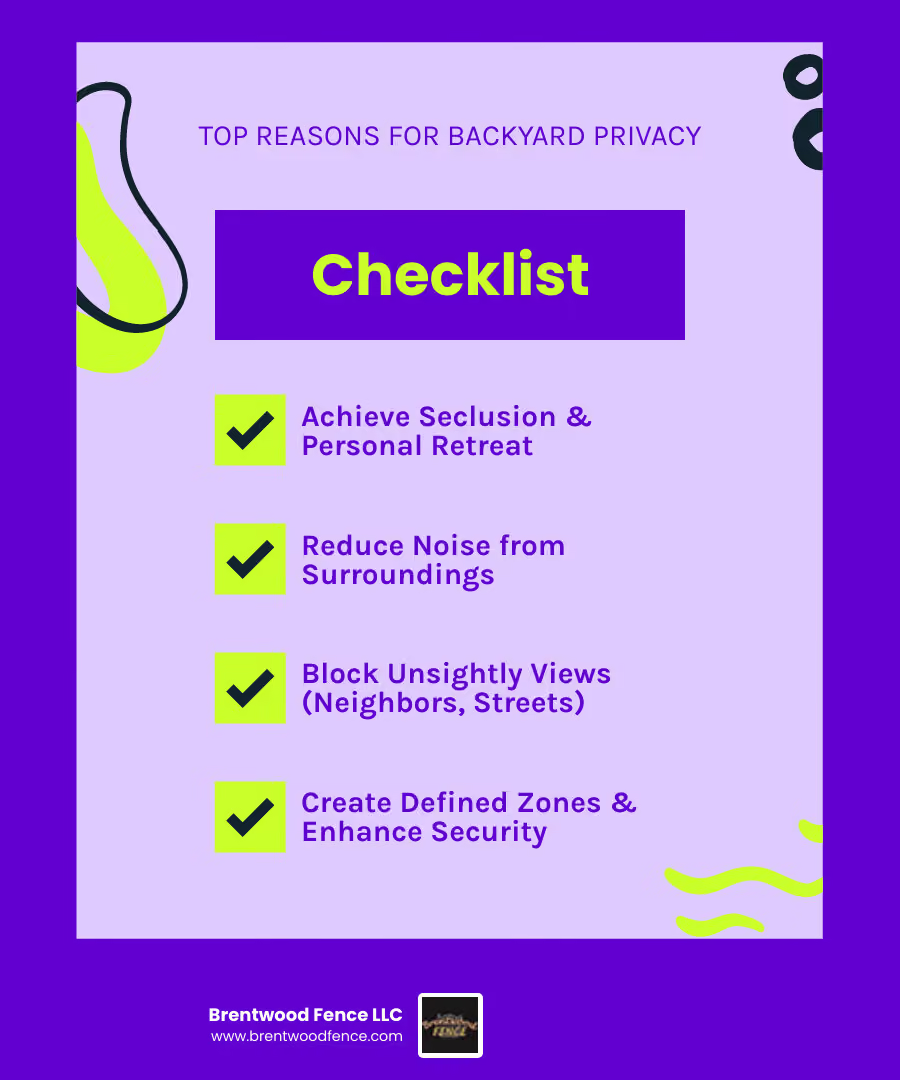
The challenge is creating privacy without making your yard feel boxed in. Thankfully, you have many options, from solid fences for instant seclusion to layered plantings for natural screens. Good privacy design is about more than blocking views; it's about reducing noise, defining activity zones, and creating a sense of security. When done right, it can even make your yard feel larger and more inviting.
This guide will walk you through proven solutions for any yard size. While some are simple additions, many benefit from professional installation to ensure lasting results and help you reclaim your outdoor oasis.
Structural Solutions: Building Your Private Foundation
For immediate and robust privacy, structural solutions are the answer. These professionally installed hardscape elements offer durability, security, and a clear way to define your property's boundaries. They provide an instant barrier against prying eyes and can significantly reduce noise, making your outdoor space feel truly your own.
The Classic Privacy Fence
The privacy fence is a cornerstone of backyard privacy design because it offers immediate, complete seclusion. A well-chosen and expertly installed fence transforms your yard into a private sanctuary.
Solid Wood Fences: A popular choice in New England, cedar offers a natural look, durability, and low maintenance. Designs like board-on-board or solid panels eliminate gaps for total seclusion.
Vinyl Fences: For minimal upkeep, vinyl is an excellent option. It's durable, resistant to rot and pests, and comes in various styles, including wood-grain mimics.
Composite Materials: Combining wood fibers and plastic, these fences offer the look of wood with improved durability and less maintenance.
For complete seclusion, a solid design like board-on-board is ideal. Before any installation, it's crucial to check local ordinances and HOA rules, as height restrictions (often around six feet) vary by town in New Hampshire, Massachusetts, and Maine. If you need more height, adding 12 to 18 inches of lattice on top is a great solution that provides extra privacy while allowing light and air to pass through. Professional installation guarantees compliance and provides secure, long-lasting results.
Pergolas, Arbors, and Trellises (as Fence Improvements)
While fences provide solid boundaries, pergolas, arbors, and trellises offer more nuanced backyard privacy design solutions. They define outdoor rooms and add visual interest without completely blocking light.
Pergolas: These open structures are excellent for defining patios or dining areas. Adding canopies, shades, or climbing vines creates a more intimate atmosphere and blocks overhead views.
Arbors: Often used as decorative gateways, arbors can be integrated into fence lines to create a sense of entry. Training climbing plants over an arbor creates a green, living tunnel.
Trellises: These versatile lattice structures can be attached to fences to add height and support climbing plants like roses or clematis, which quickly form a living screen. Free-standing trellises can also be placed strategically to cover specific sightlines.
These structures offer partial privacy, allowing light and air to flow while still creating a sense of enclosure. When professionally installed, they seamlessly integrate with your landscape.
Decorative Fence Panels and Screens (Fencing Alternatives)
When a full fence isn't necessary, decorative panels and screens offer flexible and stylish alternatives for your backyard privacy design. They are effective for targeted screening or enhancing an existing fence.
Modern Metal Fence Panels: Featuring geometric or laser-cut designs, these panels provide privacy with a contemporary flair, allowing light to filter through.
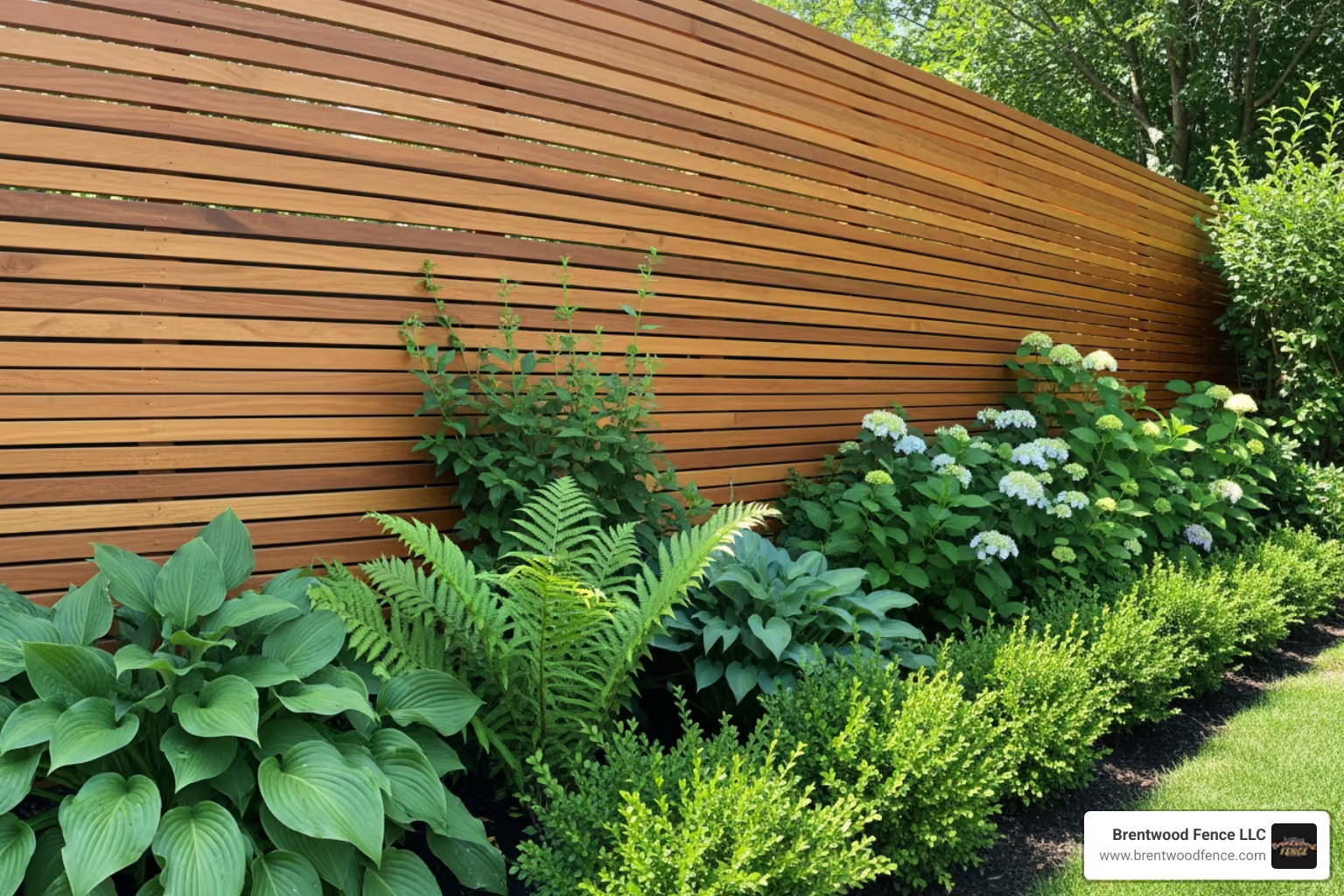
Decorative Wood or Composite Screens: Available in styles from sleek horizontal slats to intricate patterns, they can be custom-designed to fit a specific space.
Freestanding Privacy Panels: Ideal for renters or those needing flexible solutions, these can be moved as needed to block specific views or create temporary secluded areas.
Enhancing Existing Fences: Mounting decorative screens on top of a low wall or fence can provide additional height and privacy without the cost of a full fence replacement.
These panels and screens offer a creative way to improve privacy and style, turning a functional need into a design statement.
Natural Solutions: Creating a Living Privacy Screen
For a softer, more organic approach to backyard privacy design, living barriers are unparalleled. These natural solutions provide excellent screening, improve your yard's aesthetic, attract wildlife, and reduce noise. While they require time and maintenance, the lush beauty of a living privacy screen is well worth the effort.
The Power of Hedges and Layered Planting (with Fencing)
Hedges and layered plantings are cornerstones of natural backyard privacy design. Combined with professional fencing, they create a robust and beautiful barrier.
Evergreen Hedges: For year-round privacy, evergreens like arborvitae, holly, and yew are popular in New England for their density and hardiness. Unlike fences, hedges are typically not restricted by municipal height limits.
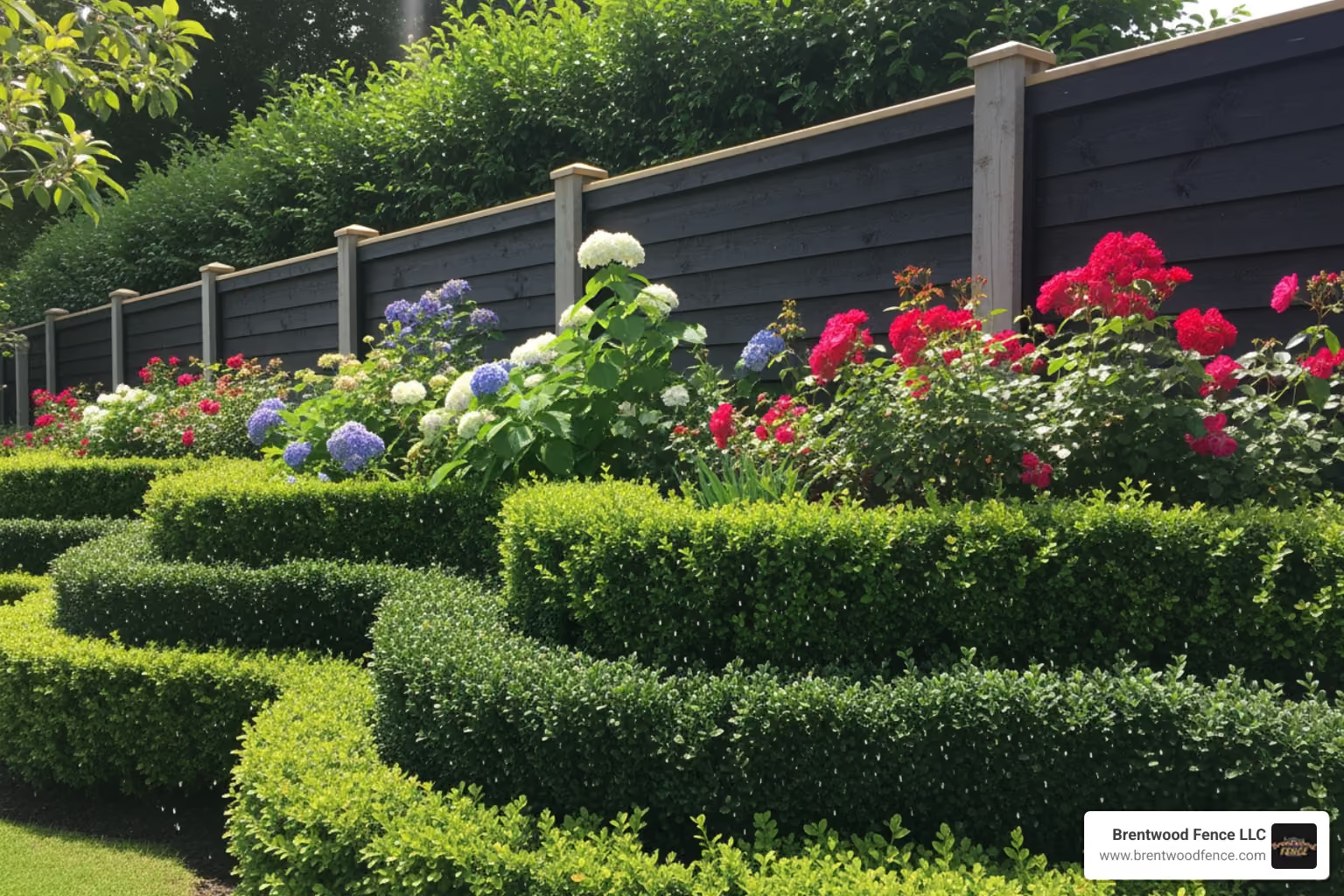
Layered Planting: This technique involves arranging plants of varying heights and textures in front of a fence. It creates depth and a more naturalistic screen. A typical arrangement includes taller trees in the back for vertical screening, shorter shrubs in the middle for density, and perennials in the front for color. This approach makes your yard feel more expansive by creating a sense of mystery.
Combining these living elements with a professionally installed fence provides the best of both worlds: the immediate security of a fence, softened by the beauty of plants.
Best Plants for Your Backyard Privacy Design
Choosing the right plants is critical for an effective living screen in New Hampshire, Massachusetts, and Maine. We focus on growth rate, mature size, and year-round coverage. For expert advice on selecting species suited to the local climate, consult a resource like the UNH Extension's guide to landscaping with native plants or an overview such as hedge (planting).
Fast-Growing Trees: Poplar and 'Green Giant' arborvitae quickly reach impressive heights. Columnar varieties are ideal for smaller spaces as they grow tall and narrow.
Evergreen for Year-Round Coverage: Arborvitae, Holly, and Yew are classic choices for dense, year-round screening.
Best Shrubs for Privacy: Lilac, Boxwood, and Juniper offer dense foliage and varied forms.
Ornamental Grasses: Tall grasses like Miscanthus provide dense, seasonal screening and add movement and texture.
Climbing Vines: Golden Hops, Clematis, and Climbing Roses are fantastic for quick privacy on trellises, pergolas, or fences.
Here is a list of our Top 5 Fast-Growing Privacy Plants for New England:
'Green Giant' Arborvitae (Thuja plicata 'Green Giant'): Extremely fast-growing and dense for tall hedges.
Privet (Ligustrum spp.): Classic hedge plant that grows quickly and tolerates pruning.
Balsam Fir (Abies balsamea): Native to New England, provides dense, fragrant screening.
Red Twig Dogwood (Cornus sericea): Offers dense summer foliage and vibrant winter stems.
Virginia Creeper (Parthenocissus quinquefolia): A vigorous native vine for quick, dense coverage on fences.
Using Raised Planters Along Fences
For small yards or urban settings, raised planters along fences offer a flexible and stylish solution to improve backyard privacy design. This method adds height to your green screen without structural changes.
Raised Garden Beds: Building raised beds along your fence line allows you to grow taller plants, effectively extending your privacy barrier. They also offer improved drainage and soil control.
Large Container Plantings: Strategically placed large containers with tall plantings can create a flexible privacy layer, perfect for decks, patios, or renters.
Enhancing Your Fence: Planters filled with lush greenery soften a fence's appearance, integrating it more naturally into your landscape and turning a barrier into a vibrant garden feature.
Creating a private outdoor oasis doesn't always require a massive budget. For homeowners in New Hampshire, Massachusetts, and Maine with small yards, urban settings, or those looking for renter-friendly solutions, many creative and budget-friendly backyard privacy design ideas can make a big impact.
Simple Additions: Planters and Decorative Elements
Sometimes, the simplest solutions are the most effective. By strategically placing planters and decorative elements, you can significantly improve your backyard privacy design with minimal investment.
Large Planters: As mentioned, large planters filled with tall plants like ornamental grasses or columnar shrubs can add instant height and greenery along your fence line.
Hanging Baskets: Filled with trailing plants, these can soften fence lines and contribute to a cozy, enclosed feeling.
Decorative Fence Toppers: Adding lattice panels or custom wood elements can extend the height of an existing fence and add visual interest.
Outdoor Curtains and Canopies: For patios or pergolas, weather-resistant fabric curtains provide flexible privacy that can be opened or closed as needed.
These simple additions allow you to create a custom look that reflects your personal style while enhancing your backyard's privacy.
Strategic Placement and Illusions of Privacy
Backyard privacy design is also about perception. Clever arrangements can create a sense of seclusion, especially when backed by a professionally installed fence.
Furniture Arrangement: Position seating areas to face away from neighbors' direct sightlines. Arrange chairs and sofas to create intimate conversation zones that feel naturally secluded.
Creating "Rooms": Use outdoor rugs, furniture groupings, and low plantings to define distinct "rooms" within your backyard. This breaks up the space and creates cozy, private nooks.
Using Water Features to Mask Sound: The gentle sound of an outdoor fountain can effectively mask unwanted noises from neighbors or traffic, creating a more serene atmosphere and helping to cover conversations.
Using Lighting to Define Spaces: Thoughtful outdoor lighting, like string lights or lanterns, can define your private zones and create an intimate atmosphere in the evening, drawing focus away from less private areas.
Drawing Focus Inward: Create captivating focal points within your yard—a beautiful garden bed, a fire pit, or a piece of art—to direct attention inward, enhancing the sense of seclusion.
Creating a private backyard doesn't have to break the bank. We often recommend these budget-friendly options:
Targeted Screening: Instead of fencing your entire property, install a single fence panel or a trellis where privacy is most needed, such as around a patio or hot tub.
Fast-Growing Plants: Use quick-growing, affordable plants like climbing vines or ornamental grasses along a fence line. They can provide substantial screening within a single season.
Large Container Plants: Place large planters with tall, dense plants on decks or patios for movable, instant privacy. This is a versatile and renter-friendly solution.
Upgrade Existing Fencing: Add lattice panels to the top of your current fence for extra height, or plant climbing vines to grow on it.
How can I add privacy without a tall fence?
Achieving privacy without a towering fence is possible and often results in a more pleasing backyard privacy design. Our approach involves layering and clever use of diverse elements:
Use Layered Plantings: Plant taller trees behind shorter, denser shrubs and perennials. This creates a multi-dimensional screen that blocks views from various angles without a monolithic barrier.
Add Trellis Extensions: We can add a trellis or lattice extension to the top of an existing fence. This adds valuable vertical screening without the visual weight of a solid extension.
Use Large Planters or Decorative Panels: Strategically placed large planters or freestanding decorative panels can block specific views without requiring a full-height fence.
Alter Sightlines with Elevation: Creating a sunken patio or a raised terrace can effectively change sightlines from neighboring properties, naturally creating seclusion.
Pergolas with Canopies: A pergola over a patio can provide overhead privacy. Adding retractable canopies or outdoor curtains offers flexible, adjustable screening.
What is the fastest way to get backyard privacy?
When immediate seclusion is your top priority in backyard privacy design, certain solutions provide rapid impact:
Installing a Solid Privacy Fence: This is the fastest way to achieve complete and immediate seclusion. A professionally installed solid wood, vinyl, or composite fence provides an instant barrier.
Fast-Growing Hedges: For a natural option, planting fast-growing hedges like 'Green Giant' Arborvitae along your fence line can offer significant screening within one to three growing seasons.
Decorative Fence Panels and Screens: Freestanding or fence-mounted decorative panels offer an instant privacy solution for targeted areas.
Large Container Plantings: Filling large planters with mature, tall plants provides instant, movable privacy for decks, patios, or balconies.
Conclusion: Reclaim Your Outdoor Oasis
Creating a private backyard is about more than blocking views; it's about crafting a serene space where you can relax and connect with nature. The journey to ultimate backyard privacy design involves a thoughtful balance of aesthetics and function, combining structural elements with natural plantings to create an oasis that reflects your personal style.
We've explored a wide array of solutions, from the immediate seclusion of professionally installed fences—whether wood, vinyl, or composite—to the living beauty of layered hedges and plants. We've also seen how pergolas, trellises, and even the strategic placement of furniture can improve your sense of privacy.
Your backyard is an extension of your home, and it deserves to be a tranquil escape. By carefully considering your goals and the unique characteristics of your outdoor space in New Hampshire, Massachusetts, or Maine, you can design a private retreat that you'll cherish for years to come.