Beyond the Picket: Exploring All Your Backyard Fencing Choices for Privacy and Style
12
May
2026
Author:
Rob Thibeault
Your Guide to Choosing the Perfect Backyard Fence
Fencing options for backyard spaces include wood (like cedar or pine), vinyl, metal (aluminum or steel), composite, and chain-link. Each material offers different benefits for privacy, security, durability, and cost—ranging from $10 to $90+ per linear foot installed.
Your home should feel like a sanctuary. A place where you can relax without worrying about neighbors peering in or your kids and pets wandering off. But if your backyard fence is sagging, outdated, or simply not doing its job, that peace of mind disappears.
Choosing the right fence isn't just about marking your property line. It's about creating privacy, enhancing security, boosting your home's curb appeal, and defining your outdoor space. The fence you choose will impact how you use your backyard for years to come.
The decision comes down to a few key factors: what you need the fence to do (privacy, security, or decoration), what materials fit your budget and lifestyle, and how much maintenance you're willing to handle. Some homeowners want a classic wood fence that ages beautifully. Others prefer vinyl that never needs painting. Still others choose metal for its strength and elegance.
In this guide, we'll walk you through every major fencing option for your backyard—from timeless wood to modern composite materials. You'll learn the pros and cons of each, understand typical costs, and find which fence best matches your needs and property.
Before we dive into the dazzling array of fencing options for backyard spaces, let's take a moment to consider why you need a fence. After all, a fence built for pure aesthetics will look quite different from one designed to keep a determined escape artist canine contained!
The primary purposes of a fence often include:
Privacy from neighbors: As Janice Parker notes, "Privacy fencing...creates a sense of sanctuary, seclus[ion]." Many homeowners in New Hampshire, Massachusetts, and Maine seek to create a private oasis where they can truly unwind, free from prying eyes.
Security for children and pets: This is a big one for families! A sturdy fence provides a crucial barrier, keeping little ones and furry friends safely within your property lines and deterring unwanted animals from entering. It's also essential for pool safety compliance, preventing accidents.
Defining property lines: A fence clearly delineates your space, avoiding potential disputes with neighbors and indicating boundaries.
Enhancing curb appeal: A well-chosen fence can significantly boost your home's aesthetic value, complementing its architecture and landscaping.
Noise reduction: Solid fences, like wood or composite, can act as a barrier against street noise or noisy neighbors, helping to create a more peaceful environment.
Wind and dust barrier: In windy areas, a solid fence can offer protection, reducing wind gusts and minimizing dust blowing into your yard.
The Importance of Privacy
For many, the desire for privacy is paramount. An exposed backyard can make it hard to truly relax and unwind. A privacy fence blocks sight lines, creating a secluded space where you can enjoy your yard in peace. This sense of sanctuary is invaluable for mental well-being. While some ecologists, like landscape designer Jonathan Fargion, suggest fences can be ecologically undesirable due to land fragmentation, we believe a thoughtfully designed fence can still prioritize privacy while considering environmental factors, such as leaving a small gap at the bottom for wildlife movement.
Beyond privacy, security is a major concern for homeowners throughout New England. A fence is your first line of defense, keeping pets and children safe by preventing them from wandering off. It also acts as a deterrent for unwanted animals that might otherwise enter your yard. For those with pools, safety fencing is often a regulatory requirement and provides invaluable peace of mind. While fences are excellent for containment, it's worth noting they are primarily for keeping pets and children in, rather than deterring human intruders, for which other security measures might be more appropriate.
A Deep Dive into Material Fencing Options for Your Backyard
Now that we've established the "why," let's explore the "what." The material you choose for your backyard fence will dictate its appearance, durability, maintenance requirements, and, of course, its cost. Here's a comparative look at some of the most popular fencing options for backyard spaces in New Hampshire, Massachusetts, and Maine:
Fence Type
Average Cost (per linear foot)
Lifespan (approx.)
Maintenance Level
Privacy Level
Wood
$17 - $45
15-20+ years
Moderate to High
High
Vinyl
$10 - $40
20-30+ years
Low
High
Metal
$17 - $90+
25-50+ years
Low
Low to Medium
Composite
$11 - $57+
20-30+ years
Very Low
High
Wood Fencing: The Timeless Classic
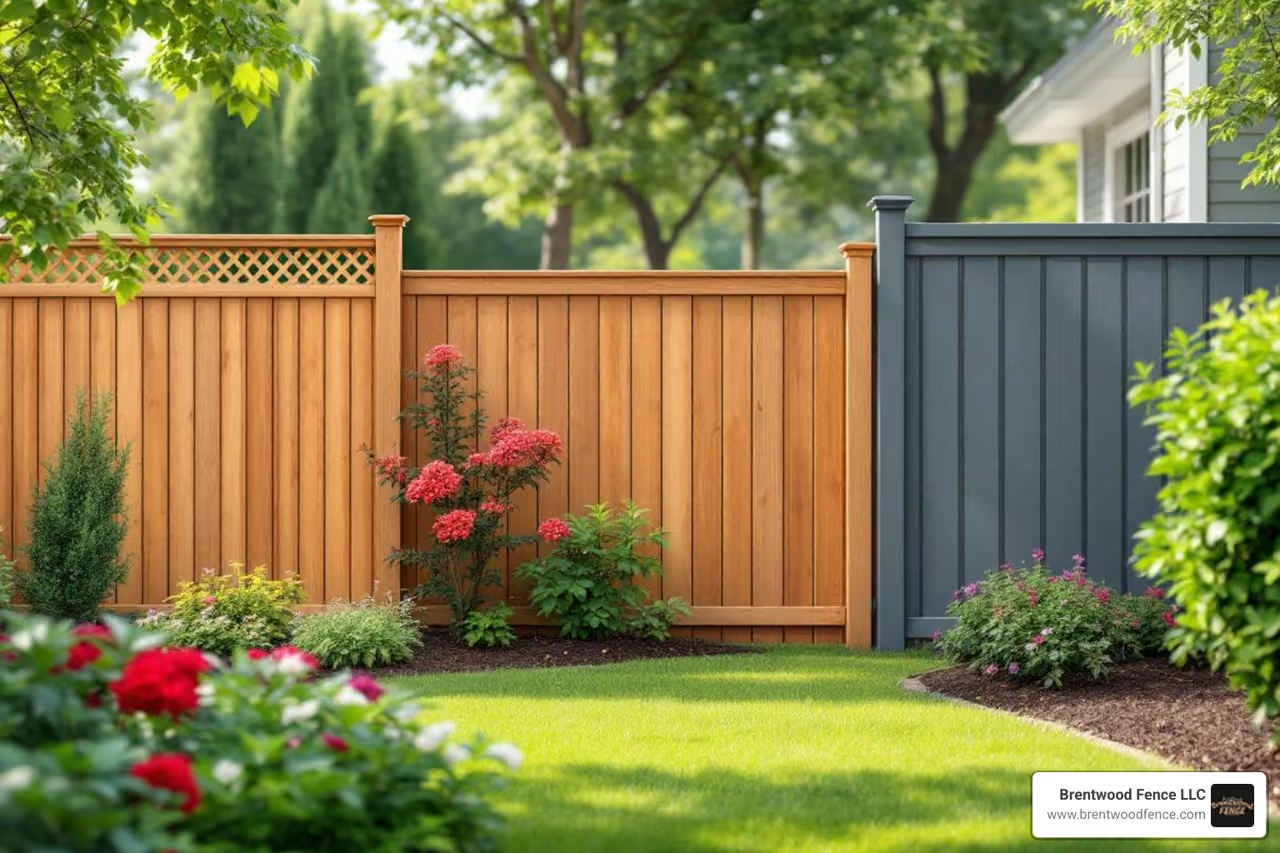
Wood fences are arguably the most popular choice, and for good reason! Their natural beauty and versatility make them a beloved fencing option for backyard aesthetics.
Pros of Wood Fences:
Natural Beauty: Wood offers a warm, classic aesthetic that blends seamlessly with most landscapes.
Cost-Effective: Generally, wood is a more budget-friendly option upfront compared to vinyl or metal, with costs ranging from $17 to $45 per linear foot.
Customizable: Wood can be painted, stained, or left natural, and comes in various styles from solid privacy panels to decorative picket fences. This allows for significant customization to match your home's unique style.
Cons of Wood Fences:
Requires Maintenance: To maintain its beauty and longevity, wood needs regular staining or painting every few years. If not properly maintained, it can lose privacy over time due to warping or shrinking boards.
Susceptible to Rot and Insects: Without proper treatment and maintenance, wood can rot, warp, or become a target for pests like termites.
Lifespan: While wood fences can last for decades with proper care, they are generally not as long-lasting as vinyl or metal.
Common Types of Wood:
Cedar: A popular choice, especially in our region, known for its natural resistance to decay and insects. It offers a beautiful, rustic look.
Pine: Often pressure-treated for durability, pine is a more economical option than cedar, though it may be more prone to warping if not properly selected and treated.
Redwood: While more common in other regions, redwood is prized for its rich color and natural resistance to rot, though it tends to be a more expensive option.
Maintenance for Wood Fences:Regular maintenance is key to extending the life of your wood fence. This includes applying a penetrating wood sealant immediately after installation and annually thereafter. This protects against moisture, UV rays, and helps prevent warping and rotting. We recommend checking with your local zoning office or homeowners association for any specific regulations regarding fence materials and height in Exeter, Portsmouth, Manchester, Concord, Derry, Dover, or Haverhill.
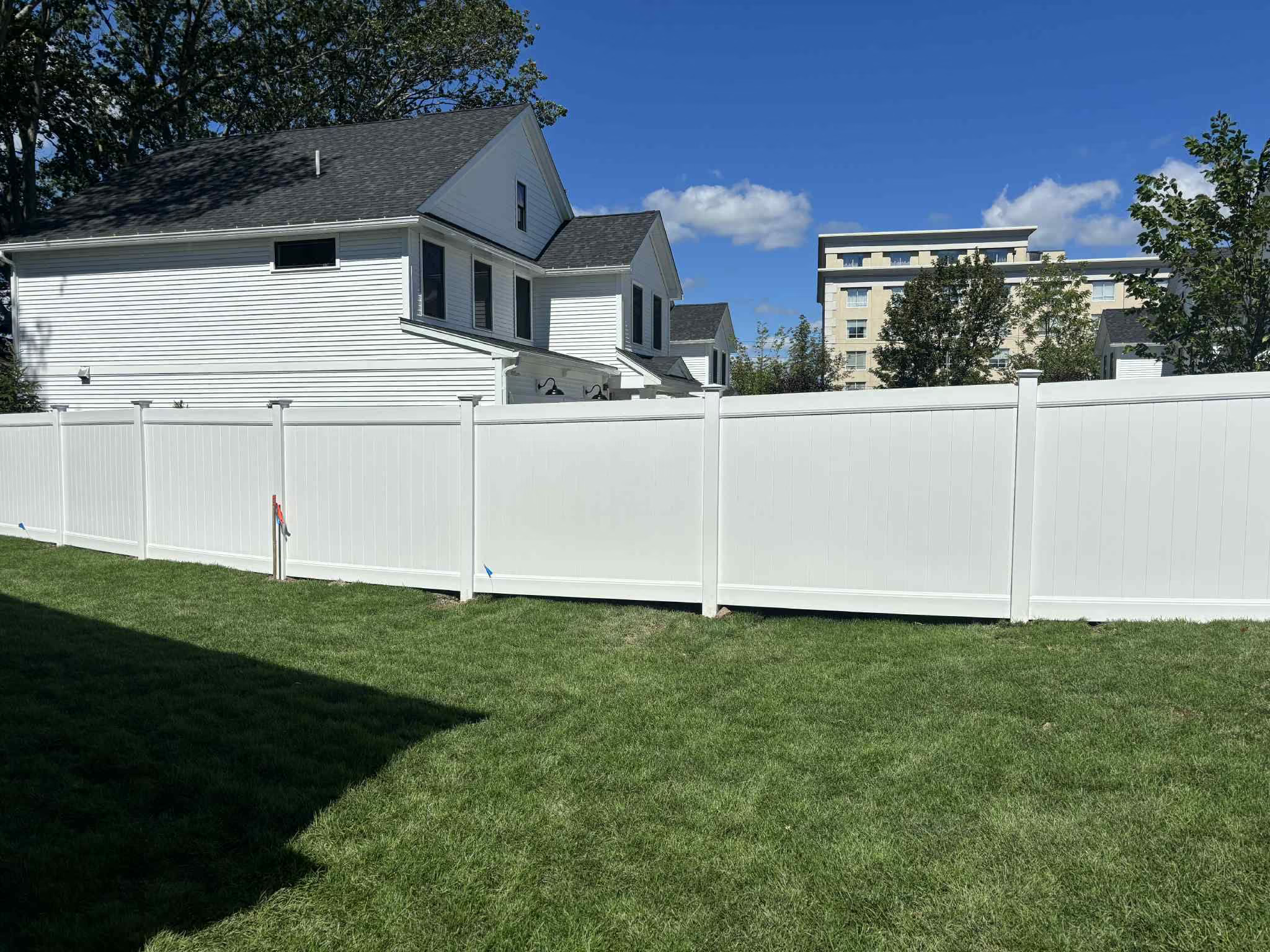
If you're seeking a modern, low-maintenance fencing option for backyard use, vinyl (PVC) fencing might be your perfect match.
Pros of Vinyl Fences:
Durable and Long-Lasting: Vinyl is a resilient, plastic-based substance that can last up to 30 years or more. It resists weather, pests, and rot, making it a highly durable choice for the varied New England climate.
Low Maintenance: Once installed, vinyl fences are virtually maintenance-free. An occasional wash with mild detergent and a garden hose is usually all that's needed to keep them looking pristine. No painting, staining, or sealing required!
Variety of Styles: Available in numerous styles, colors, and sizes, vinyl can mimic the look of wood picket fences or provide solid privacy panels. Modern vinyl products have come a long way from earlier versions that sometimes yellowed or sagged.
Weather-Resistant: Vinyl stands up well to rain, snow, and extreme temperatures, making it an excellent choice for our local weather conditions.
Cons of Vinyl Fences:
Higher Upfront Cost: While low maintenance saves money in the long run, vinyl fences typically have a higher initial cost than wood, ranging from $10 to $40 per linear foot.
Can Be Damaged by Impact: Though durable, sharp impacts can crack or break vinyl panels, which can be more challenging to repair than wood.
Aesthetics (Subjective): While versatile, some homeowners feel that vinyl "looks cheap" compared to the classic feel of a wooden fence. It also needs to be a light color to prevent UV degradation.
Maintenance for Vinyl Fences:Maintenance is incredibly simple for vinyl. Just hose it down occasionally. For stubborn mold or mildew, a bleach and water solution can work wonders.
For homeowners prioritizing strength, longevity, and a touch of elegance, metal fencing options for backyard properties are an excellent choice.
Types of Metal Fencing:
Aluminum: Lightweight, rust-resistant, and easy to install. Aluminum fences are ideal for decorative purposes or defining boundaries where full privacy isn't needed. They're also perfect for pool enclosures.
Steel: Often used for ornamental fencing (as pure wrought iron is no longer commercially available), steel offers superior strength and security. It can be powder-coated for durability and a stylish finish.
Pros of Metal Fences:
Strength and Longevity: Metal fences are incredibly strong and durable, often lasting 25 years or more with proper care. They stand up well to the elements and are impervious to insects, rot, or warping.
Security: Provides good security, especially steel, which is difficult to breach.
Low Maintenance: Metal fences require minimal upkeep. Powder-coated options resist fading and corrosion.
Neat Aesthetics: Metal fencing, particularly ornamental steel or aluminum, offers a sophisticated look that improves curb appeal.
Cons of Metal Fences:
Less Privacy: Most metal fences feature an open design, offering minimal privacy. While metal panels can be incorporated for privacy, this increases cost and changes the aesthetic.
Higher Cost: Steel and ornamental metal fences can be more expensive than wood or vinyl, with steel ranging from $17-$90 per linear foot and wrought iron look fences from $30-$55+ per linear foot.
Rust (for unprotected steel): While modern steel fences are often powder-coated to prevent rust, older or unmaintained steel can corrode.
Maintenance for Metal Fences:For powder-coated aluminum or steel, maintenance is minimal—just an occasional cleaning. For steel that isn't powder-coated, or if corrosion appears, applying a rust-inhibiting paint is crucial.
Composite Fencing: The Modern, Eco-Friendly Alternative
Composite fencing is a rapidly growing fencing option for backyard spaces, combining the best of both worlds: the aesthetic appeal of wood with the low-maintenance benefits of synthetic materials.
Pros of Composite Fences:
Wood-Like Appearance: Crafted from recycled wood fibers and resin, composite fences beautifully mimic the look and texture of natural wood without the associated drawbacks.
Low Maintenance: Say goodbye to sanding, staining, and painting! Composite fences require only an occasional rinse with water to keep them clean.
Durable and Resistant: Highly resistant to rot, insects, warping, and splintering, composite fencing is built to withstand the tough New England weather. Its interlocking picket system ensures long-lasting privacy, unlike wood fences that can develop gaps over time.
Eco-Friendly (Partially): Many composite materials use recycled plastics and wood waste, making them a more sustainable choice in terms of resource consumption.
Cons of Composite Fences:
High Initial Cost: Composite fencing typically has a higher upfront cost, with professional installation ranging from $11 to $45 per linear foot, and up to $57 for high-end products.
Less Customizable (Aesthetically): While available in various colors and styles, the aesthetic customization options might be less varied than natural wood.
End-of-Life Concerns: While made from recycled materials, some composite materials are not easily recyclable at the end of their lifespan and may end up in landfills, which is a consideration for environmentally conscious homeowners.
Benefits of Composite Fencing:Beyond its aesthetic appeal, composite fencing is a fantastic choice for those seeking a long-term, hassle-free privacy solution that can withstand the elements. It provides excellent protection from wind, dust, and noise due to its density and durability.
Choosing the right fence isn't just about picking a material; it's about integrating it seamlessly into your outdoor living space. Design, local regulations, and even environmental impact play a crucial role.
How Tall Should a Privacy Fence Be?
When it comes to privacy, height matters! A standard privacy fence is typically 6 feet tall, which should block most views from ground level. However, local regulations in New Hampshire, Massachusetts, and Maine often dictate fence height, especially in front yards or along property lines. Always check with your local zoning office or homeowners association (HOA) before planning your fence project.
If you need extra height without building a towering solid wall, consider adding 12 to 18 inches of lattice on top of a 6-foot fence. This provides additional privacy while allowing some light and air circulation, creating a less imposing feel. Natural privacy hedges, while not fences, can also serve this purpose and often grow up to 12 feet tall. We generally advise against making fences taller than necessary to save on expenses and avoid an overly enclosing effect on your yard.
Aesthetic Fencing Options for Your Backyard to Boost Curb Appeal
Your fence is an extension of your home's style. Thoughtful design can transform a functional barrier into a beautiful feature.
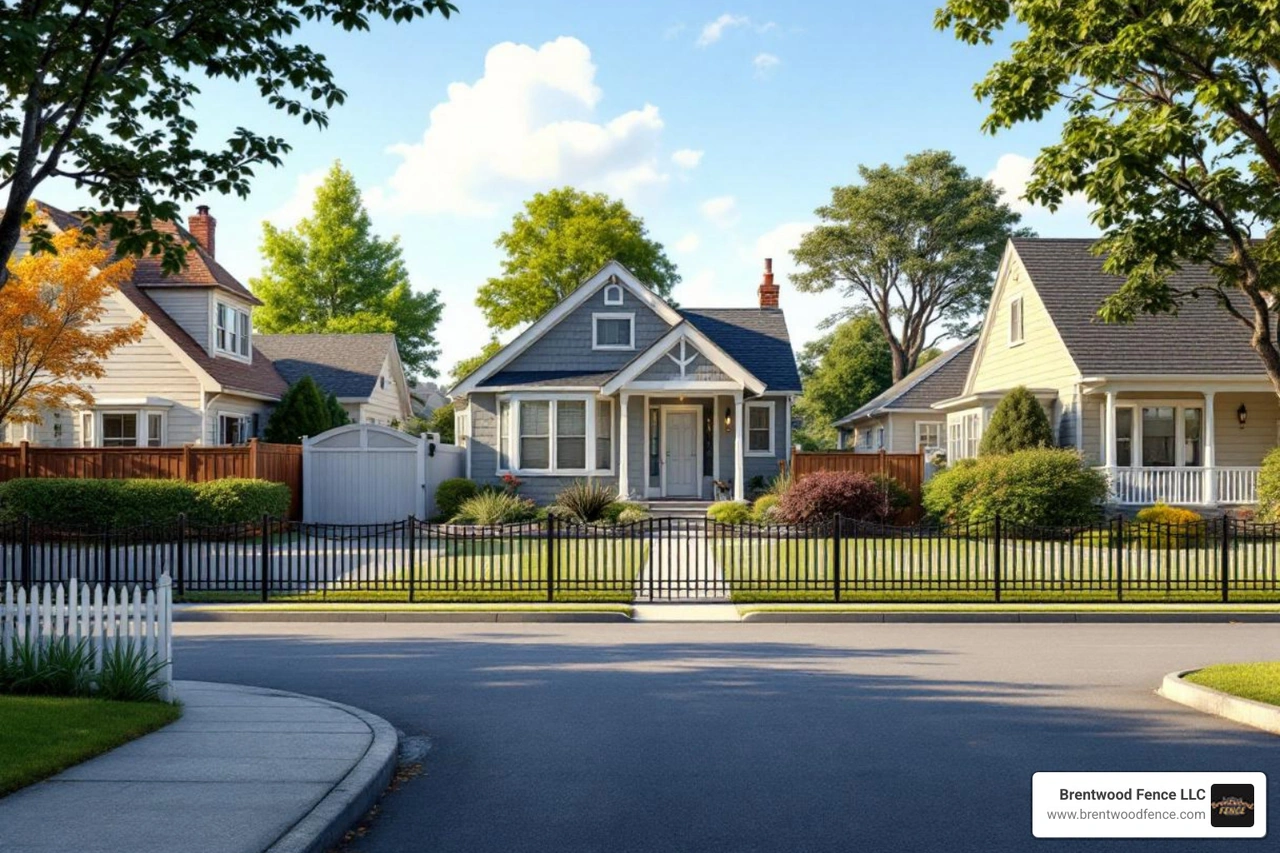
Matching Your Home's Architecture: A classic white picket fence might suit a cottage-style home, while horizontal composite or metal panels could complement a modern dwelling.
Color Selection: The color of your fence can significantly impact your yard's aesthetic. Darker colors can create a dramatic backdrop for greenery, while lighter colors can make a space feel more open and airy.
Horizontal vs. Vertical Boards: Horizontal boards can make a yard feel wider and more contemporary, drawing the eye across the space. Vertical boards offer a traditional look and can make a space feel taller.
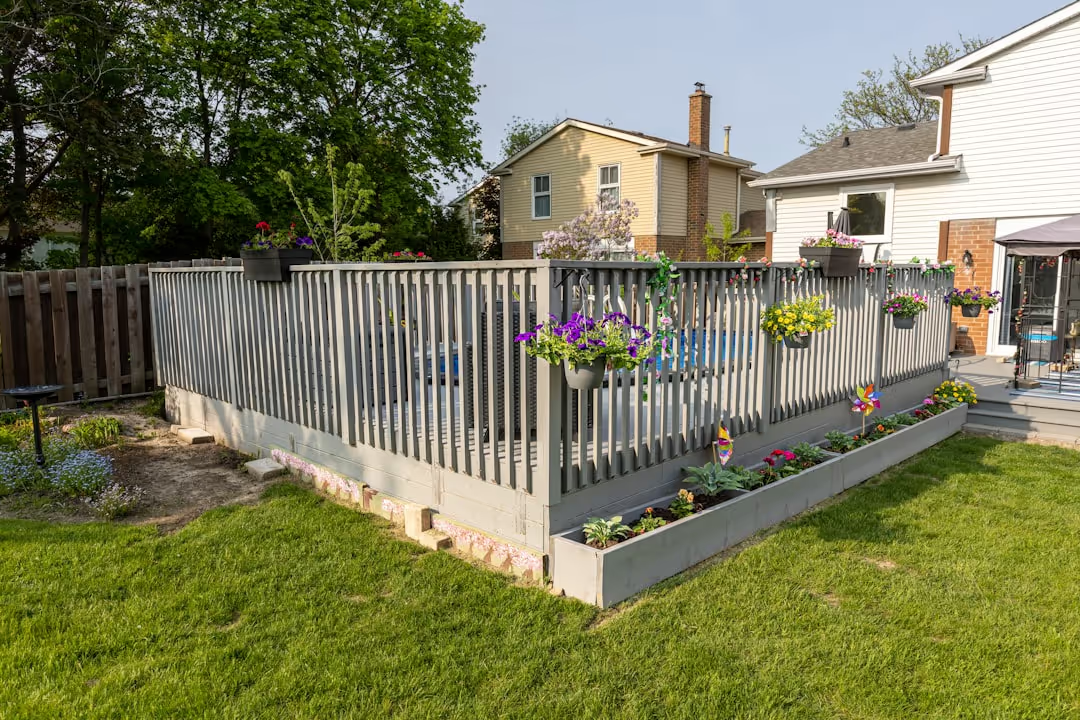
Integrating with Landscaping: Use your fence as a backdrop for flower beds or climbing vines. A trellis-style fence can become a living wall of greenery.
Creating Zones: Fencing doesn't just have to surround your entire yard. Smaller fence sections or screens can be used to delineate specific areas, like an outdoor kitchen, a cozy seating nook, or a children's play area, creating a sense of "mystery" as you gradually reveal parts of the garden.
Hiding Unsightly Items: Strategically placed fence panels can effectively conceal air conditioning units, trash cans, or utility boxes, improving the overall tidiness and appeal of your backyard.
While our desire for private outdoor spaces is understandable, it's important to consider the environmental impact of our fencing choices. As Jonathan Fargion, a landscape designer, wisely states, "From an ecological and natural point of view, privacy fences are the least desirable element in the landscape." This doesn't mean we should forgo fences entirely, but rather design them thoughtfully.
Land Fragmentation: Solid fences can fragment natural habitats, making it difficult for wildlife to move freely between properties.
Ground Clearance for Small Animals: A simple solution is to ensure your fence is at least two inches off the ground. This small gap allows critters like rabbits, turtles, and other small animals to pass through without compromising your privacy or security for larger concerns.
Choosing Sustainable Materials: When possible, consider materials like composite, which often incorporate recycled content, reducing demand for virgin resources. However, also consider the end-of-life cycle for materials, as not all composite is easily recyclable. For wood, choosing locally sourced, sustainably harvested timber can also lessen the environmental footprint.
We believe in balancing human needs with ecological considerations, ensuring your fence provides privacy and beauty while minimizing disruption to local wildlife in our beautiful New England landscape.
Understanding Fence Installation and Costs
Once you've narrowed down your ideal fencing option for backyarduse, the next steps involve understanding the structure of a fence and the financial commitment.
The Anatomy of a Fence
Regardless of the material, most fences share fundamental components that ensure their stability and functionality:
Posts: These are the vertical supports driven into the ground (or set in concrete) that provide the main structural integrity for the fence. Proper post installation is critical for a long-lasting fence, especially in areas like New England with freeze-thaw cycles.
Rails: These are the horizontal pieces that connect the posts and to which the pickets or panels are attached. They provide rigidity and support.
Pickets (or Panels): These are the vertical or horizontal elements that form the main barrier of the fence, providing privacy, security, or decorative appeal. Panels are often pre-assembled sections that simplify installation.
Gates: Essential for access, gates are designed to match the fence style and require sturdy hardware (hinges, latches) for proper function and security.
Caps: These decorative or protective covers sit atop the posts, shielding them from weather damage and adding a finished look.
Each component plays a vital role, and the quality of these parts, along with their installation, directly impacts the fence's overall durability and lifespan.
Understanding the Cost of Different Fencing Options for Your Backyard
The cost of a fence is a significant factor for most homeowners. It's important to distinguish between material costs and labor costs for installation.
Material Costs: As we've seen, materials vary widely: wood is often $17-$45 per linear foot, vinyl $10-$40, metal $17-$90+, and composite $11-$57+. Chain-link can be as low as $15-$30 per linear foot. These ranges provide a good starting point for budgeting.
Labor Costs: Professional installation can add significantly to the total cost. Factors affecting price include the length and height of the fence, the complexity of the terrain (slopes, rocky soil common in New Hampshire and Maine can increase labor), the chosen material, and any custom features like gates or decorative elements. Hiring a professional can average about $50 an hour, and potentially more for difficult properties.
For an accurate estimate custom to your specific property in New Hampshire, Massachusetts, or Maine, we recommend getting a professional assessment. You can get a free fencing installation estimate from our team.
Professional Installation vs. DIY
While some basic fence types like fabric or simple wire fences might seem DIY-friendly, for most significant fencing options for backyard properties, especially those intended for privacy, security, or aesthetic appeal, professional installation is highly recommended.
Expertise and Experience: Our professional installers have the knowledge and experience to handle complex terrain, ensure proper post depth, and adhere to local building codes and regulations in your area (Exeter, Portsmouth, Manchester, Concord, Derry, Dover, Haverhill, and beyond).
Proper Tools and Techniques: We use specialized tools and proven techniques to ensure your fence is installed correctly, avoiding common pitfalls like leaning posts or uneven sections.
Structural Integrity and Longevity: A professionally installed fence is built to last, providing optimal stability and durability against New England's weather conditions.
Warranty and Guarantees: Professional installations often come with warranties on both materials and labor, offering peace of mind.
Time-Saving: Installing a fence is a time-consuming project. Hiring professionals frees up your valuable time.
DIY Considerations:Attempting a DIY fence installation requires significant time, specific skills, and the right equipment. Potential for errors, such as incorrect post spacing, improper gate alignment, or not meeting local code requirements, can lead to costly repairs down the line. Our commitment is to ensure your fence is installed perfectly the first time.
Read more about our commitment to clients and why professional installation is the smart choice for your investment.
Conclusion
Choosing the right fencing options for backyard spaces in New Hampshire, Massachusetts, or Maine is a significant decision that impacts your home's privacy, security, and aesthetic appeal. It's a balance of understanding your purpose, selecting the ideal material, considering design elements, and budgeting wisely. From the timeless charm of wood to the low-maintenance allure of vinyl, the robust elegance of metal, and the modern sustainability of composite, each option offers unique advantages.
The right fence will not only define your property lines but also improve your outdoor living experience, adding significant value, privacy, and beauty to your home. We encourage you to envision the possibilities and choose a fence that truly transforms your backyard into the sanctuary you deserve.