Blog Content

18
Jun
2026
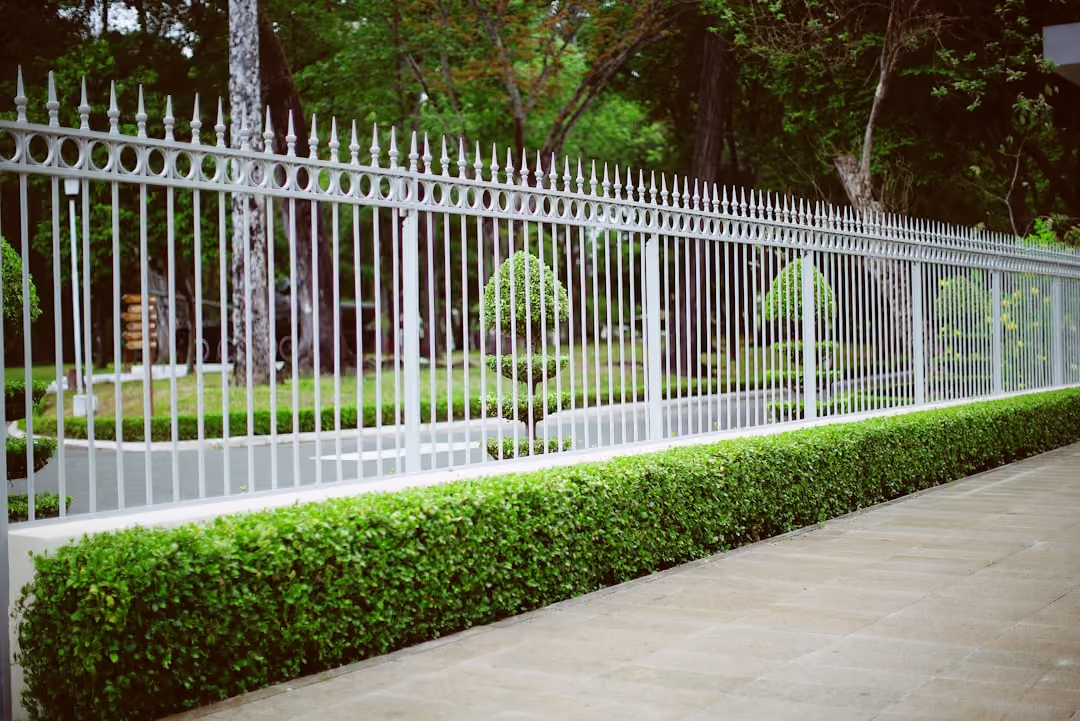
When you need to find a fence installer, the fastest path is to follow these steps:
A new fence does a lot of work. It adds privacy, keeps kids and pets safe, boosts curb appeal, and protects your property. For most homeowners, it's one of the largest single outdoor improvements they'll make.
And yet, hiring the wrong contractor can turn that investment into a headache - leaning posts, missed permits, and no one returning your calls.
The average fence installation cost in 2023 was $6,800. That's not a small number. It means who you hire matters just as much as what materials you choose.
This guide walks you through exactly how to find, vet, and hire a qualified fence installer - so you get a fence built right the first time.
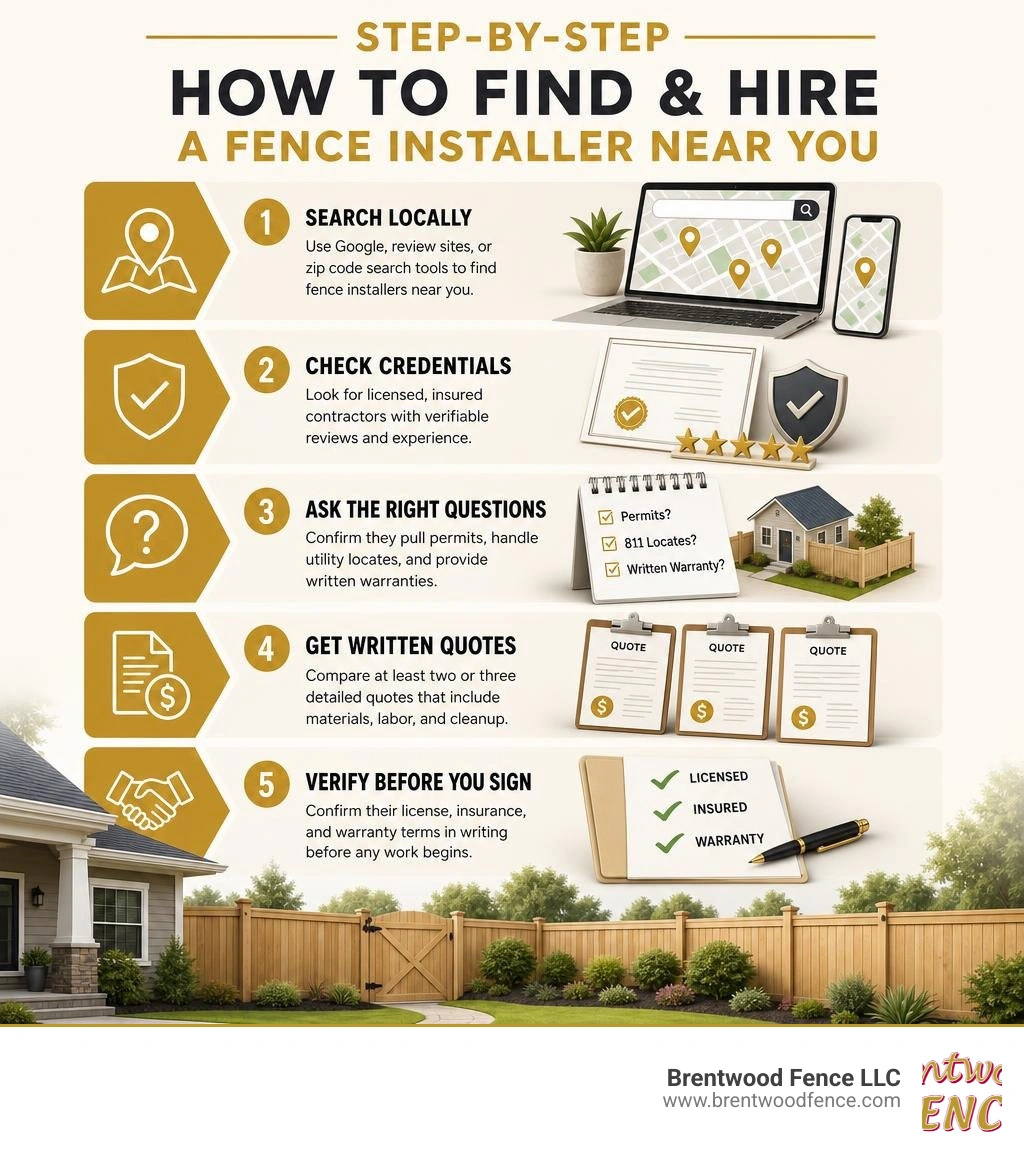
Find fence installer definitions:
When you begin your search to find a fence installer, you will likely run into the term Certified Fence Installer (CFI). But what does this actually mean, and why should it matter to you?
A Certified Fence Installer is a professional who has undergone rigorous testing and screening to prove their technical knowledge, hands-on skills, and commitment to industry quality standards. Fencing isn't just about digging holes and nailing boards together; it involves structural engineering, understanding soil mechanics, and working with complex materials.
Choosing a CFI ensures that your contractor values high standards of workmanship and credibility. Certified professionals understand how to handle local environmental challenges—such as the freezing winters and rocky soils of New Hampshire, Massachusetts, and Maine—ensuring your fence won't warp, lean, or pop out of the ground after the first hard frost. For a deeper dive into what makes a local installer stand out, take a look at our Professional NH Fence Installers Guide.
Finding an elite, certified professional doesn't have to be a guessing game. Many top-tier manufacturers partner with selected local installers who meet strict criteria for excellence. For example, prominent agricultural and residential brands carefully screen participating CFI companies to verify their experience, licensing, and track record.
When you look for certified professionals, check if they have active partnerships with major industry manufacturers. This indicates that the manufacturer trusts them to install their premium products correctly, protecting your product warranty. To help you navigate this search in your local neighborhood, we have put together an Expert Fence Install Near You Guide.
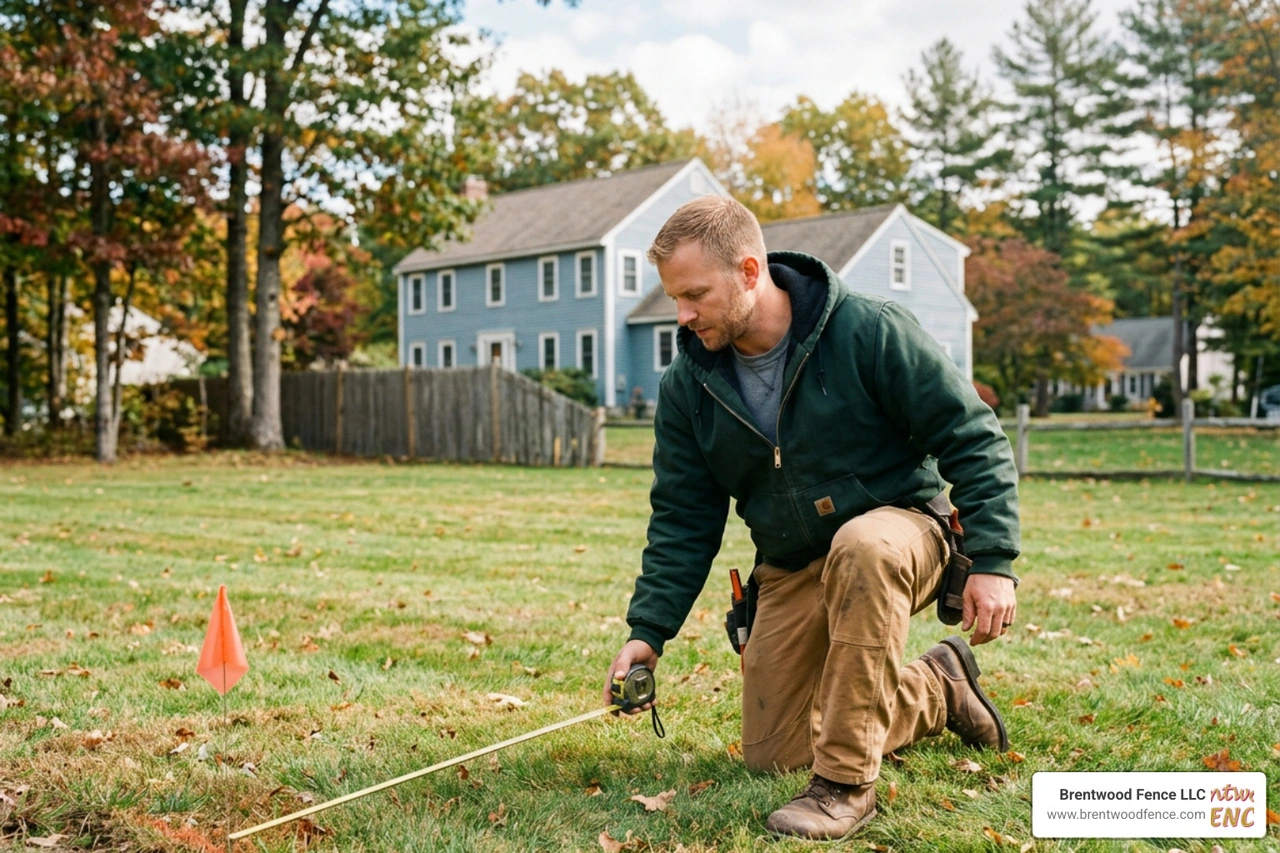
The best fence installer is almost always a local one. Local contractors understand town-specific building codes, local soil conditions (like the clay and granite-heavy dirt in New England), and the precise wind loads your fence must withstand.
To find the best local options:
If you are exploring local options across New England, you can consult local business directories or community registries to see how different local teams structure their services and verify their physical presence in your area.
Many homeowners wonder whether they should hire a local specialty contractor or go through a national home-improvement retailer.
National retailers may offer convenience, third-party coordination, standardized labor warranties, and financing options. In many cases, however, the actual fence work is still completed by independent local installers, so it is important to understand who will be on your property and who will be responsible for warranty follow-up.
Working with a dedicated, local NH MA ME Local Fence Company or a family-owned Local Fence Builder in My Area NH MA ME often provides several distinct advantages:
For a detailed breakdown of what to expect during a professional setup, read our guide on Professional Fence Installation 101.

Before you sign on the dotted line, you need to thoroughly vet your prospective contractor. Do not simply hire the first company that answers the phone or offers the lowest bid. Use these criteria to evaluate them:
At Brentwood Fence LLC, we believe in complete transparency and absolute quality. To see how we hold ourselves to these high standards, visit the Brentwood Fence LLC Quality Assurance homepage. You can also compare top local options using our resource on the Best Fence Contractor Near Me 2025.
As you search to find a fence installer, keep your eyes open for these warning signs. If a contractor exhibits any of the following behavior, it is time to walk away:
Choosing the right material is a balance of aesthetics, budget, and how much weekend maintenance you are willing to do. Below is a quick comparison of the most popular fencing materials used across New Hampshire, Massachusetts, and Maine:
If you are considering wood, first-grade 100% Northern White Cedar is highly recommended for our New England climate because it naturally resists rot and boring insects. When looking for specialized local wood installations, consult with experienced local professionals who understand the unique demands of the regional climate and can recommend the best wood grades for your project.
Note on Wood: If you choose cedar, expect some natural "checking." Checking is a natural seasoning process where minor cracks appear as the wood dries out. This does not compromise the structural integrity of the fence. Also, remember to wait about 60 days before staining new cedar fencing to allow the natural moisture to fully leave the wood!
The average cost of a professional fence installation generally hovers around $6,800, though custom designs, premium materials like vinyl or aluminum, and extensive linear footage can increase this figure.
To make this investment more manageable, many reputable fence contractors offer financing options, such as 12-month interest-free financing or low monthly payments.
In terms of project duration:
To request a personalized estimate and discuss our current scheduling windows, check out the Brentwood Fence LLC Estimates and Timelines page. If you are located in the tri-state area, you can also read our guide on finding a Fence Contractor Near Me NH MA ME.
Once you hire a contractor, the preparation work begins. To ensure a smooth installation day, you should take the following steps:
For more details on preparing your New England yard for wood installations, visit our resource on Brentwood Fence LLC Wood Fence Installation.
"Good fences make good neighbors," but only if you talk to them first! In states like New Hampshire, Massachusetts, and Maine, property line fences are often viewed as shared structures.
Before construction starts:
While the average cost in recent years was around $6,800, your actual price will depend heavily on the linear footage, the terrain slope, the material selected, and the number of gates. For example, a basic chain link fence will cost significantly less than a premium vinyl privacy fence or an ornamental aluminum pool fence.
Most professional, full-service fence contractors will handle the building permit application process and file the mandatory 811 utility locate request for you. However, you should always clarify this during your initial consultation and make sure it is clearly stated in your written contract.
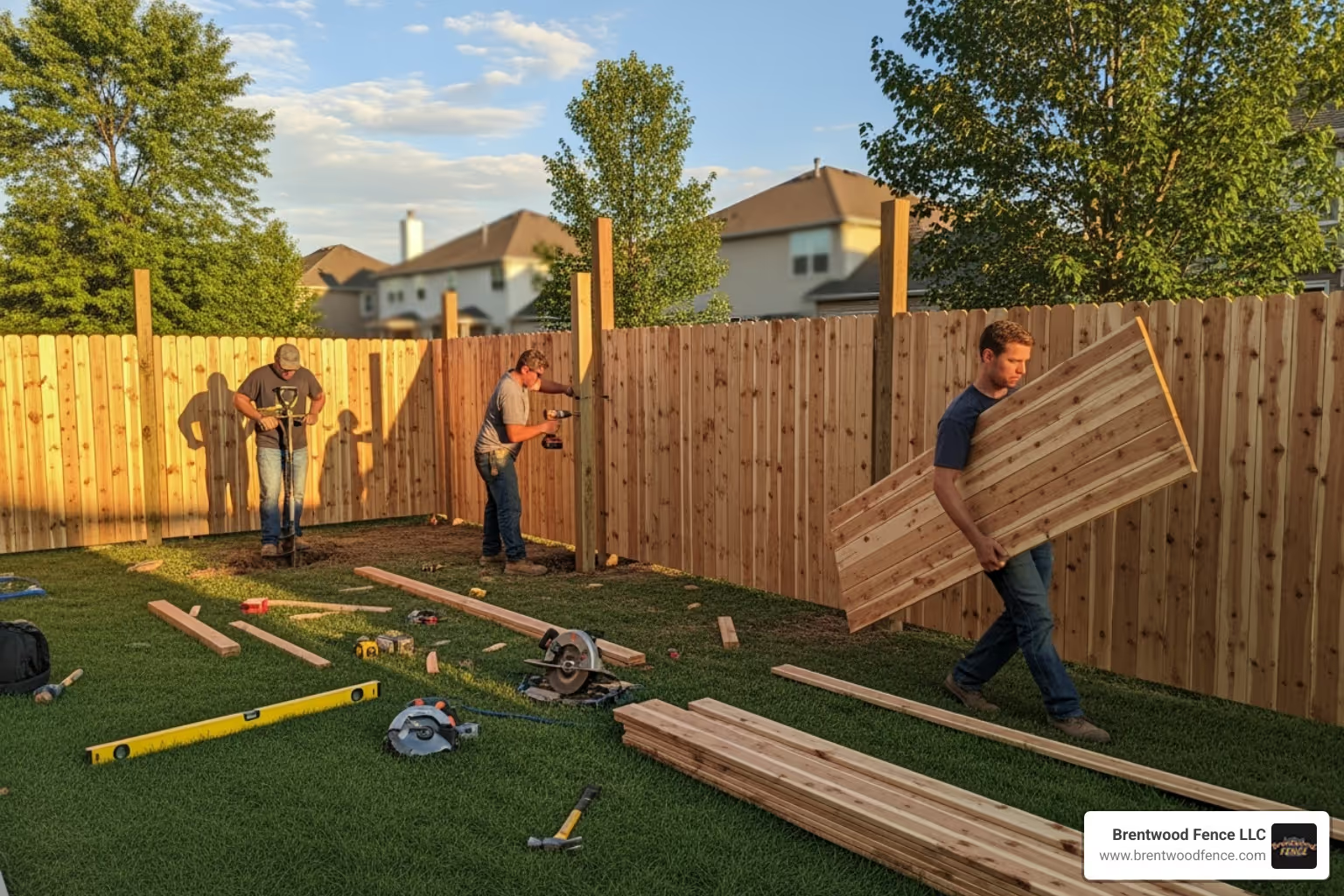
For a standard backyard, the physical installation usually takes between 2 and 4 days. The first day is typically dedicated to layout, digging post holes, and setting the posts in concrete. The crew then allows the concrete to cure before returning to attach the rails, pickets, or vinyl panels and test the gate operations.
Finding the right professional to build your fence doesn't have to be stressful. By focusing on local expertise, verifying licenses and insurance, choosing high-quality materials like Northern White Cedar or durable vinyl, and asking the right questions upfront, you can secure an installation that lasts for decades.
At Brentwood Fence LLC, we take pride in our honest communication, deep New England roots, and exceptional craftsmanship. From our initial consultation to the final walkthrough, our goal is to make your home improvement project seamless and worry-free.
Ready to transform your yard? Secure your property with professional privacy fencing installation services from Brentwood Fence LLC today!


Copyright 2022 Brentwood Fence | All Rights Reserved | Sitemap | Website by Plumb Development a Digital Marketing Agency