Blog Content

9
Dec
2025
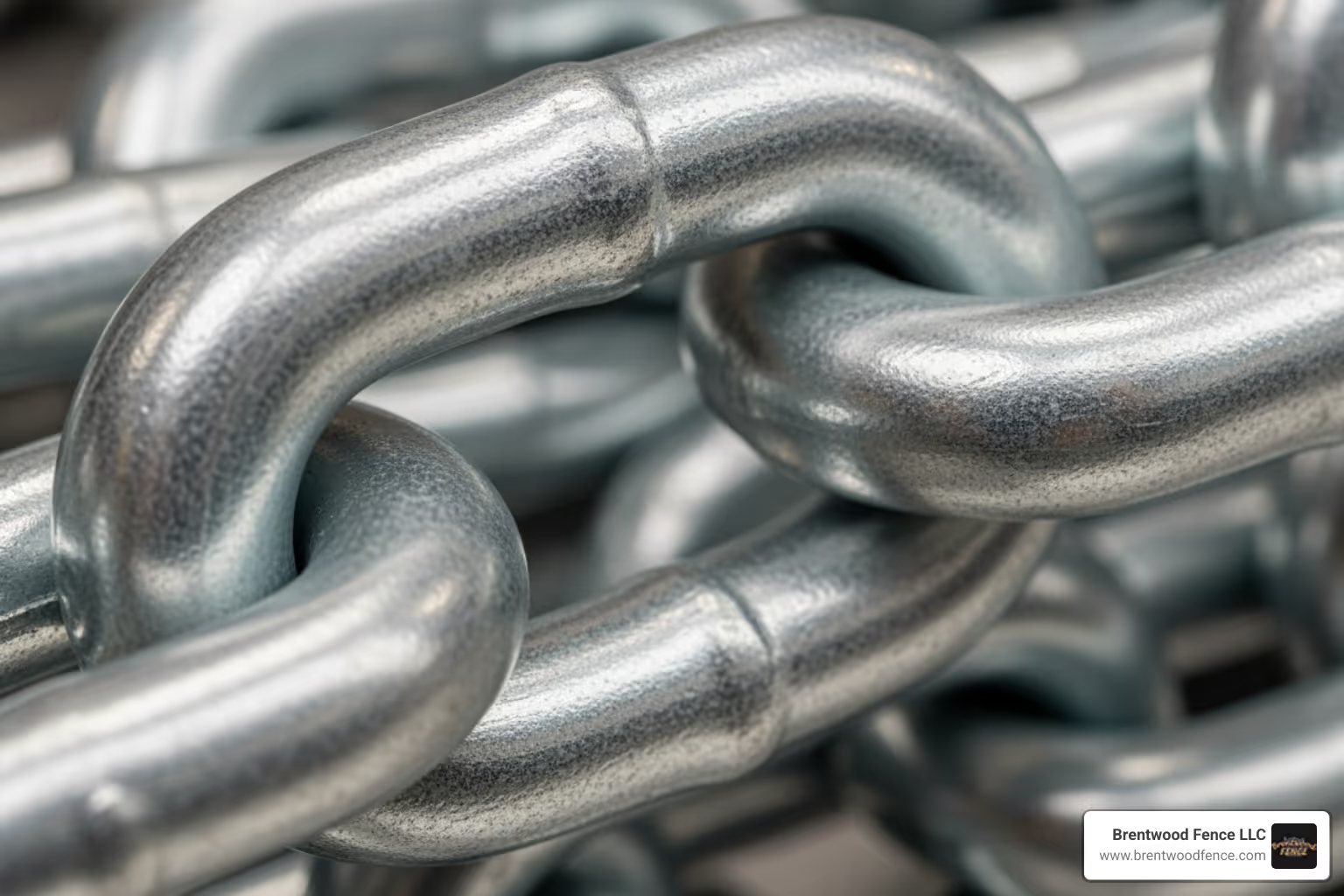
Galvanized steel chain is one of the most reliable materials you'll find for fencing, security, and outdoor applications. Whether you're securing a property line, adding a gate, or reinforcing an animal enclosure, this corrosion-resistant chain delivers strength and longevity without breaking the bank.
Quick Answer: What You Need to Know
According to industry standards, hot-dip galvanized chain provides better corrosion resistance than electro-galvanized (zinc-plated) options. The zinc coating acts as a sacrificial barrier, protecting the steel underneath from moisture and weathering.
For homeowners looking to install or upgrade fencing, understanding chain grades and specifications ensures you get the right product for your needs. Grade 30 chain works well for most residential fencing applications, while heavier grades handle more demanding loads.
Professional fence installation makes a significant difference in performance and safety. Properly tensioned chain, securely anchored posts, and correctly aligned gates ensure your investment lasts for years.
Galvanized steel chain terms you need:
If you've ever wondered what makes galvanized steel chain such a popular choice for property owners and contractors alike, you're in the right place. This guide walks you through everything you need to know about this remarkably versatile material—from why it resists rust so effectively to which grade works best for your specific project.
Galvanized steel chain shows up in more places than you might think. You'll find it securing chain-link fencing around residential properties, reinforcing security barriers at commercial sites, and even holding strong in harsh marine environments where saltwater would destroy ordinary steel. The secret? A protective zinc coating that shields the steel from corrosion, extending its lifespan by years or even decades.
Throughout this guide, we'll explore the core advantages that make galvanized chain worth your investment, including its impressive strength-to-weight ratio and cost-effectiveness compared to pricier alternatives like stainless steel. We'll break down the different galvanization methods—specifically hot-dip galvanization versus electro-plating—so you understand exactly what you're getting and why it matters.
We'll also help you steer the sometimes-confusing world of chain grades and specifications. Not all galvanized steel chain is created equal, and matching the right grade to your application ensures both safety and longevity. Whether you're installing a residential fence, securing livestock, or need industrial-grade transport chain, understanding Working Load Limits and proper specifications keeps your project safe and up to code.
Finally, we'll cover maintenance tips to protect your investment and explain why professional installation makes such a significant difference in performance. A properly installed chain-link fence with correctly tensioned chain and securely anchored posts will serve you reliably for many years to come.
Let's get started and help you find the perfect galvanized steel chain solution for your property.
When you're planning a fence, security barrier, or any outdoor structure, you need materials that won't let you down. That's exactly what galvanized steel chain delivers. Unlike regular steel that rusts at the first sign of moisture, galvanized chain stands strong against rain, snow, and humidity year after year.
The secret? A protective zinc coating that acts as a shield between your steel and the elements. This coating doesn't just sit on the surface—it actually bonds with the steel to create a barrier that fights corrosion from day one. And here's the clever part: even if the coating gets scratched, the zinc continues protecting the steel underneath by corroding first. It's like having a bodyguard that takes the hit for you.
Beyond rust resistance, galvanized steel chain offers an impressive strength-to-weight ratio. You get serious holding power without the bulk or weight of heavier materials. This makes installation easier while maintaining the security and durability you need for fencing, gates, and load-bearing applications.
Cost is another advantage worth noting. While stainless steel certainly has its place, it comes with a premium price tag that many projects simply don't require. Galvanized chain gives you excellent corrosion resistance at a fraction of the cost, making it the smart choice for most residential and commercial fencing projects.
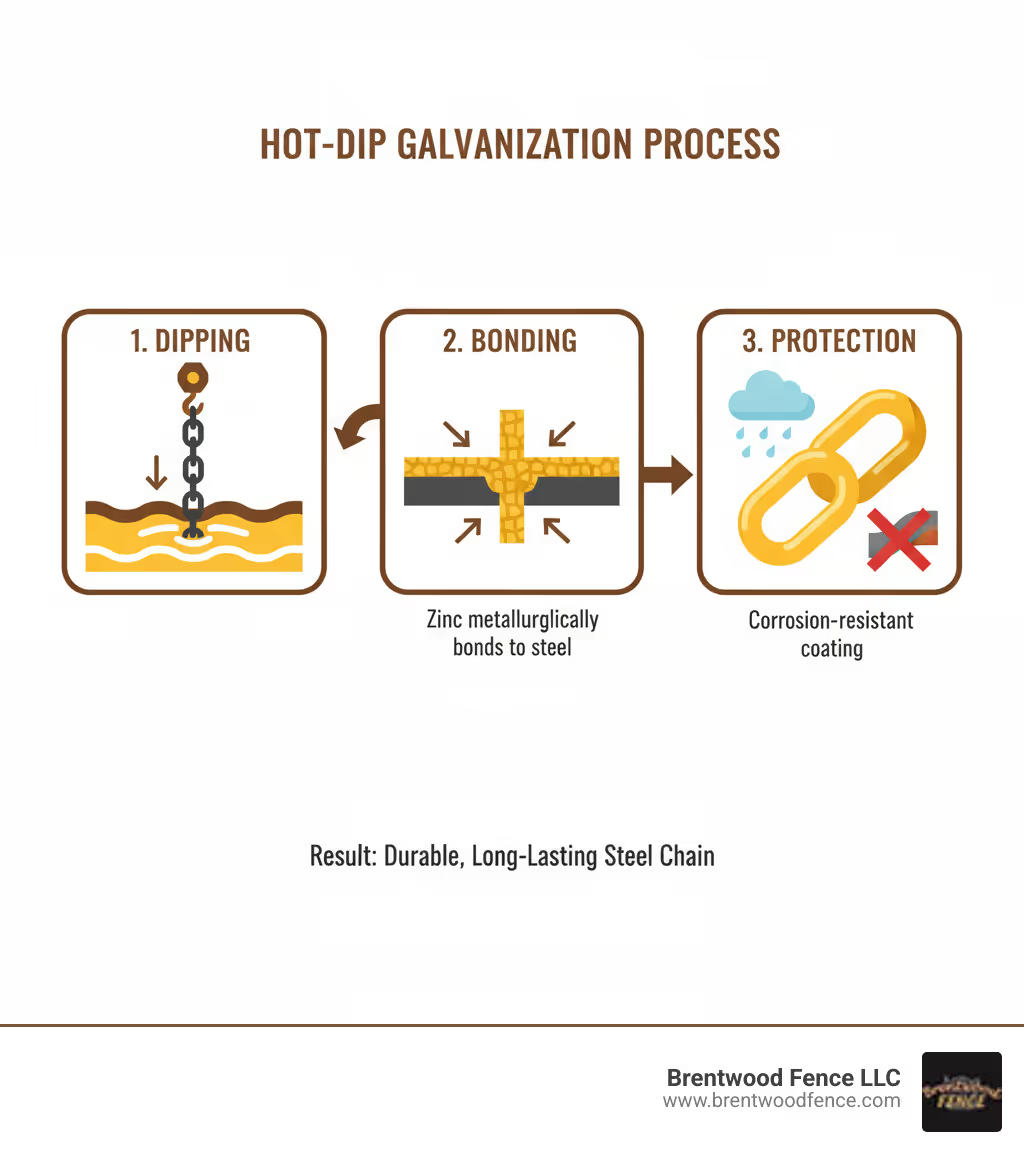
Let's talk about how ordinary steel becomes rust-resistant galvanized steel chain. The most effective method is called hot-dip galvanization, or HDG for short.
Picture this: steel chain gets dunked into a bath of molten zinc heated to around 840°F. This isn't a quick dip—the steel stays submerged long enough for the zinc to form a metallurgical bond with the steel surface. What you get isn't just a coating that could flake off; you get layers of zinc-iron alloys that become part of the steel itself, topped with a layer of pure zinc.
This bond creates what engineers call a "sacrificial anode." If your chain gets scratched or damaged, exposing the steel underneath, the surrounding zinc will corrode first instead of the steel. It literally sacrifices itself to keep your chain from rusting. That's protection you can count on.
You might also see electro-galvanization, sometimes called zinc plating. This process applies a thinner zinc layer through an electrical current. While it gives chain a shiny, bright appearance, it doesn't provide the same long-term protection. The coating is thinner, and it doesn't have those zinc-iron alloy layers that make hot-dip galvanization so tough.
For demanding outdoor applications—especially fencing and security installations—hot-dip galvanized chain is the clear winner. It's worth noting that this superior protection does come with slightly higher costs compared to electro-galvanized options, but the extended lifespan makes it a better investment.
If you're interested in the technical specifications behind galvanized materials used in professional fencing, the GALVANIZED CHAIN LINK-spec PDF provides detailed industry standards.
Galvanized steel chain thrives where other materials struggle. Whether you're dealing with summer humidity, winter snow, or spring rain, that zinc coating keeps working around the clock to protect your investment.
We see this durability shine in all sorts of settings. Agricultural fences face everything from morning dew to manure exposure. Security barriers endure years of weather without weakening. Even in marine environments, where salt air is incredibly corrosive, hot-dip galvanized chain holds up remarkably well.
Location does matter, though. If you're near the coast, that salty air will work on the zinc coating faster than it would in a dry, inland area. But here's the thing—even in coastal regions, galvanized chain still outlasts untreated steel by years, often decades. In inland areas with less moisture and no salt exposure, the zinc coating can last even longer, giving you exceptional value for your investment.
The key takeaway? Galvanized steel chain is built for the real world. It handles weather, moisture, and temperature swings without constant maintenance or replacement. That's why it's the go-to choice for professional fence installations throughout New Hampshire, Massachusetts, and Maine.
For more insights on choosing the right materials for outdoor fencing projects, take a look at our guide on chain link fence materials. Understanding your options helps ensure your fence performs well for years to come.
Here's something many people don't realize: not all galvanized steel chain is created equal. The grade you choose can mean the difference between a chain that performs flawlessly for decades and one that fails when you need it most. Think of it like choosing the right tool for the job—you wouldn't use a butter knife to cut down a tree, right?
The key to selecting the perfect chain lies in understanding its Working Load Limit, or WLL. This number tells you the maximum weight that chain can safely handle when it's new and in pristine condition. Most chains come with a built-in safety factor, meaning their actual breaking strength is typically four times higher than the WLL. But here's the thing: you should never push a chain to its limits. Always match the grade to your specific application.

When you're working on residential fencing, securing a gate, or setting up an animal enclosure, Grade 30 Proof Coil Chain is your reliable workhorse. This low-carbon steel chain meets NACM (National Association of Chain Manufacturers) standards and handles everyday tasks beautifully.
We see Grade 30 galvanized steel chain used constantly for securing gates and general chain link fencing installations. It's also perfect for creating security barriers around properties, building animal enclosures that keep livestock safe, and handling light-duty towing needs. You'll even find it in vineyards, where it's used for fixing lift wires and adjusting tension on trellises.
A typical 3/16-inch Grade 30 chain offers an 800 lb. safe working load—plenty of strength for most residential applications. But here's an important safety note: this chain is not suitable for overhead lifting unless it's specifically rated for that purpose. Its strength-to-weight ratio is lower than higher-grade chains, which makes it cost-effective and practical for everyday use, but not for lifting heavy loads above people's heads.
Step into agriculture, construction, or medium-duty towing, and you'll need something tougher. That's where Grade 43 High Test Chain comes in. This galvanized steel chain packs significantly more strength per pound than Grade 30, making it the choice for demanding work environments.
Farmers and contractors rely on Grade 43 for logging operations where chains take a beating, load binding for heavy equipment and materials, and medium-duty towing that would overwhelm lighter chains. It's also a favorite for securing construction equipment on job sites.
The numbers tell the story: a 3/8-inch Grade 43 chain typically handles a Working Load Limit of 5400 lbs.—that's 2.7 tons of muscle. When you're securing valuable equipment or handling loads that could cause serious damage if they broke free, this extra capacity provides essential peace of mind. For property owners considering robust perimeter security or large-scale installations, understanding these strength differences matters. Check out our heavy-duty fencing options to see how stronger chain grades protect your investment.
When truckers need to secure heavy cargo for the highway, they reach for Grade 70 Transport Chain. This is the heavyweight champion of galvanized steel chain—the highest strength carbon steel chain available for transport applications. You can usually spot it by its distinctive gold chromate finish, which isn't just for looks—it provides additional corrosion protection.
Grade 70 chain is engineered specifically for securing heavy cargo on trucks and trailers and handling industrial tie-down applications where failure simply isn't an option. A 3/8-inch Grade 70 chain delivers an impressive 5400 lb. safe working load, giving it the muscle to handle serious weight.
But here's a critical safety point that bears repeating: despite its incredible strength, Grade 70 transport chain is not designed or rated for overhead lifting. Its purpose is securing loads during transit, not hoisting them above ground. Using it for overhead lifting could lead to catastrophic failure and serious injury.
When you're planning a professional fencing installation that requires specialized chain components, our team at Brentwood Fence LLC can guide you to the right solution for your specific needs. We understand the importance of matching materials to applications—it's what keeps properties secure and people safe.
Choosing the right galvanized steel chain doesn't have to be complicated. Once you understand what those numbers and terms actually mean, you'll be able to select the perfect chain for your project with confidence. Let's break down what really matters when you're making your purchase decision.
When you're shopping for galvanized steel chain, you'll encounter several specifications that might seem confusing at first. Let's explain them so you know exactly what you're getting.
The Working Load Limit (WLL) is perhaps the most critical number you'll see. This tells you the maximum weight the chain can safely support during normal use. Here's something important to remember: the break load is typically four times the Safe Working Load, which gives you a crucial safety cushion. Always choose a chain with a WLL that comfortably exceeds what you need for your project.
The link diameter, sometimes called trade size, refers to how thick the metal is in each link. You'll see this listed in inches like 3/8-inch or sometimes in millimeters like 10mm. It's straightforward: thicker metal means stronger chain. We commonly see sizes ranging from 3mm for lighter applications all the way up to 16mm and beyond for heavy-duty work.
Chain length matters for both your project needs and your budget. You can buy short sections for specific tasks—like a 3-foot length for an anchor chain—or bulk rolls of 200 feet or more for larger installations. Many suppliers sell by the meter or in pre-cut lengths, giving you flexibility in how much you purchase.
Finally, you'll encounter different link types as you shop. Short link chain offers more flexibility and works well where you want to avoid snagging. Long link chain gives you more reach per link and can be lighter for the same overall length. Your specific application will determine which style serves you best.
For a complete understanding of how chain works with other components in your fencing system, check out our detailed guide to fence hardware.
The price tag on galvanized steel chain isn't random—several factors come together to determine what you'll pay. Understanding these can help you budget accurately and know when you're getting good value.
Grade makes a significant difference in pricing. Higher-grade chains like Grade 70 cost more per foot than Grade 30 because they're engineered for greater strength and more demanding applications. You're paying for that extra capability and peace of mind.
Diameter and length directly impact cost because they require more raw material and processing. Thicker chains need more steel and zinc coating. Longer lengths mean more manufacturing time. You'll typically see pricing per foot or per meter, with better deals available when you buy in bulk. A 3/8" x 200' Grade 40 chain might run around $2,440.00 per roll, with even better per-foot pricing if you're ordering multiple rolls.
The coating type also affects your investment. Hot-dip galvanization costs more than electro-galvanization (zinc plating) because it's a more complex process. But here's why it's worth considering: that extra cost often pays for itself through extended lifespan and reduced maintenance needs. You're essentially buying years of additional protection.
Don't forget that steel market prices fluctuate, which means the cost of both steel and zinc can shift over time. This is why you might see price variations even for the same product at different times of the year.
While we at Brentwood Fence LLC specialize in professional fence installation rather than selling chain directly, we can guide you toward the right specifications for your fencing needs. We know which chains work best for gates, security applications, and other fence components. For insights into gate installations that might require quality chain, take a look at our guide to chain link gates.
Once you've selected the perfect galvanized steel chain for your project, ensuring its longevity and safety hinges on two critical aspects: proper maintenance and professional installation. This is especially true for fencing, where the entire structure's integrity relies on each component working together harmoniously.

Even the most durable galvanized steel chain benefits from a little attention now and then. While that protective zinc coating does a remarkable job fighting off corrosion, it isn't invincible. Think of it like sunscreen—it works great, but you still need to check in occasionally.
Inspecting for zinc coating wear should become part of your regular property maintenance routine. Take a close look at your chain, especially in spots where there's frequent movement or contact. That distinctive gray zinc finish might naturally dull over time, but if you start spotting reddish-brown rust, that's your signal that the underlying steel has been exposed and needs attention.
Beyond coating wear, identifying signs of rust or stress is crucial for safety. Look for any actual rust forming on the steel itself, links that appear bent or distorted, or small cracks developing in the metal. These warning signs tell you the chain's structural integrity might be compromised. When you see these indicators, it's time to think about replacement rather than repair.
Cleaning methods for dirt and grime don't need to be complicated. A straightforward wash with water and a stiff brush usually does the trick to remove accumulated dirt, debris, and environmental buildup. Just avoid harsh chemicals or abrasive scrubbing tools that could scratch or damage that protective zinc layer you're trying to preserve.
So when should you replace a chain? If you're seeing significant rust, noticeable deformation in the links, or the chain has simply reached the end of its expected lifespan for your specific application, replacement isn't optional—it's necessary. Safety should never be negotiable, especially with chains that bear loads or provide security.
When it comes to fencing projects, professional installation isn't just about convenience—it's about getting it right the first time. Our team at Brentwood Fence LLC has worked with galvanized steel chain and chain link systems long enough to know that the details make all the difference between a fence that lasts decades and one that disappoints.
Ensuring proper tension is where professional expertise really shows. A chain link fence needs to be taut—not guitar-string tight, but properly tensioned so it doesn't sag or bow. We install tension wire first, making sure it's taut before the fabric even goes up. This foundational step is critical for a fence that maintains its appearance and function over the years.
Correctly setting posts forms the backbone of any sturdy fence. We set each post perfectly plumb in concrete footings that meet industry standards, ensuring they can handle both environmental forces and the tension from the chain link fabric. Line posts are typically installed at intervals not exceeding 10 feet, with footings of specified depth and diameter depending on your fence height and soil conditions. These aren't just guidelines—they're the difference between a fence that stands strong and one that leans after the first heavy wind.
Gate alignment and security deserves special attention because gates are your fence's hardest-working component. We ensure each gate is plumb when closed, with appropriate ground clearance so it swings smoothly year after year. All hardware—hinges, latches, and bolts—gets installed correctly for both smooth operation and maximum security. We install bolts with their heads on the secure side of the fence and peen them over for added tamper resistance. For welded joints on galvanized steel gates, we protect them with zinc-rich paint to maintain their corrosion resistance right where they're most vulnerable.
Here's something important to remember: inferior components or improper installation on any part of a chain link fence can adversely affect the entire system. It's all connected, which is why professional installation matters so much.
When you partner with us, you're not just getting a fence installed—you're getting peace of mind from an expertly installed system that's built to last. Learn more about our specialized services for commercial chain link gates and how we ensure top-tier security and functionality for every project we take on.
So there you have it—everything you need to know about galvanized steel chain to make the smartest choice for your project. Throughout this guide, we've walked through the core benefits that make this material such a workhorse: its exceptional strength, impressive durability, and that all-important corrosion resistance that comes from its protective zinc coating. Whether you're securing a backyard gate or reinforcing a commercial perimeter, there's a grade of galvanized chain ready to handle the job.
The key to success lies in matching the right grade and size to your specific application. Understanding Working Load Limits isn't just technical jargon—it's about keeping your property and people safe. While hot-dip galvanized chain might cost a bit more upfront compared to zinc-plated alternatives, think of it as an investment. You're buying years of reliable performance with minimal maintenance, which adds up to real savings over time.
But here's the thing: even the best galvanized steel chain needs proper installation to perform at its peak. That's especially true for fencing applications, where every component—from the chain to the posts to the gates—works together as a system. Cutting corners on installation can undermine all the careful planning you've done in selecting the right materials.
At Brentwood Fence LLC, we bring decades of expertise to every project. We understand the nuances of working with galvanized materials, from ensuring proper tension in your chain link fabric to setting posts that will stand firm for years to come. Our team knows how to integrate galvanized steel chain components seamlessly into your fencing system, delivering security and durability you can count on.
Ready to move forward with confidence? We're here to answer your questions, provide expert guidance custom to your specific needs, and deliver professional installation that stands the test of time.
Copyright 2022 Brentwood Fence | All Rights Reserved | Sitemap | Website by Plumb Development a Digital Marketing Agency