Blog Content

17
Apr
2026

The best gate lock for chain link fence installations depends on your security needs, but here are the most popular options at a glance:
Your chain link fence is only as secure as the gate you put in it.
A fence that surrounds your yard, keeps your kids safe, and protects your property can be undermined by a flimsy latch or the wrong lock. And yet, gate hardware is one of the most overlooked parts of any fencing project.
With over 890 products listed for "chain link fence lock" on Amazon alone, and 53+ gate hardware options at Lowe's, the choices can feel overwhelming fast. What actually works? What lasts? What fits your gate?
The answers depend on a few key factors — your gate size, your security goals, and the climate where you live. In New England especially, where weather swings hard between seasons, choosing the wrong material means dealing with rust, sticking latches, and misaligned gates within a year or two.
This guide breaks down the best gate lock options for chain link fences — from simple latches to heavy-duty automatic locks — so you can make a confident, informed choice.
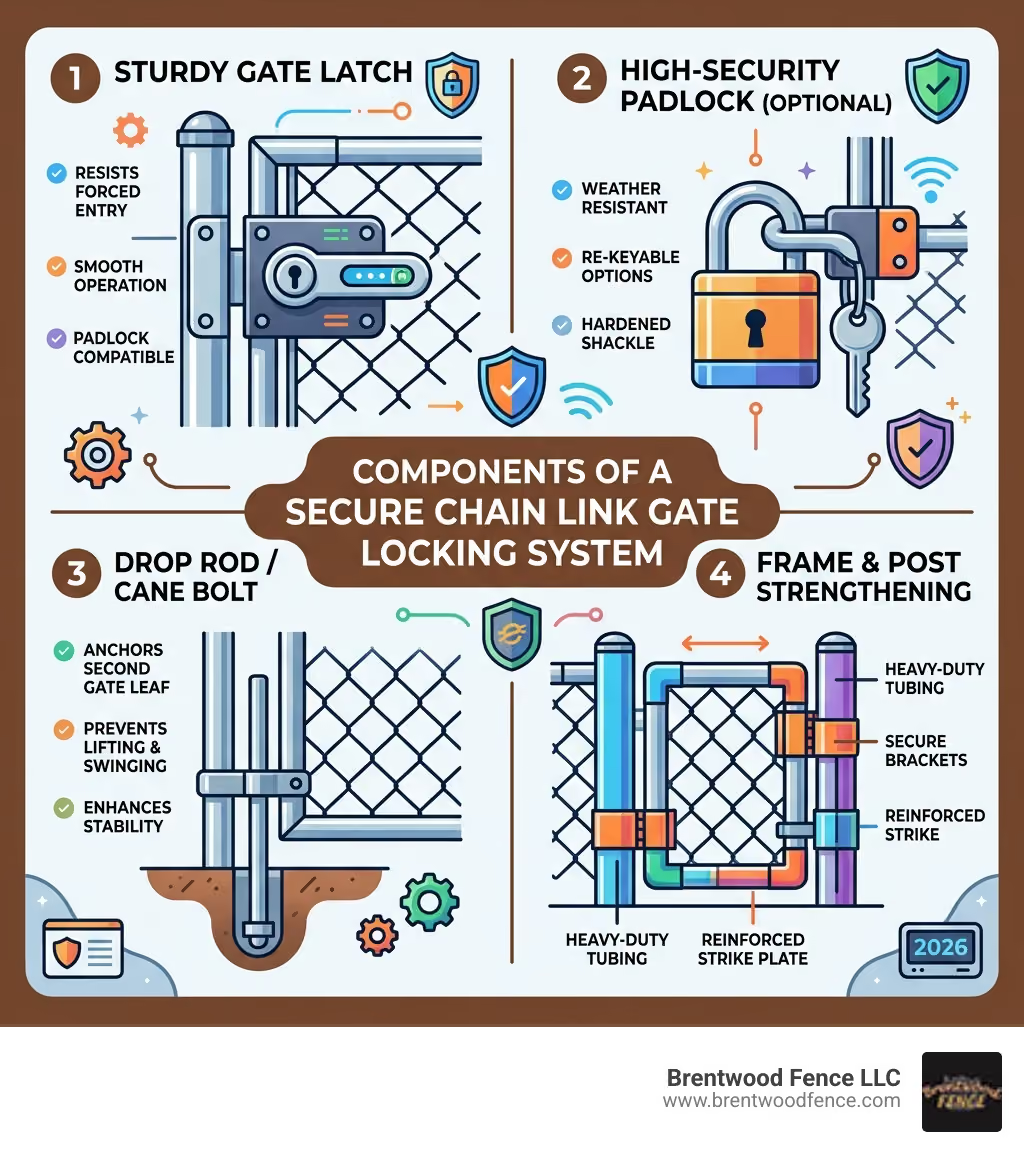
When we talk about a gate lock for chain link fence systems, we are usually talking about two components: the latch that keeps the gate closed and the locking mechanism that keeps it secure. In Chain Link Fence Hardware, the variety can be surprising.
A gravity latch is the "old reliable" of the fencing world. These work by using the weight of a metal bar to drop into a catcher. They are simple, effective, and often used on residential garden gates. While they aren't "locks" on their own, many modern versions, like the LokkLatch Series 2, are now key-lockable from both sides, combining the ease of a gravity latch with the security of a deadbolt.
Also known as "drop forks," these are the most common latches you’ll see in New Hampshire and Massachusetts backyards. A metal fork sits on the gate frame and drops over a horizontal bar on the fence post.
The butterfly latch is a double-sided mechanism that allows the gate to swing both ways. It "clips" onto the post automatically when the gate closes. These are excellent for high-traffic areas where you don't want to fumble with a fork every time you walk through. However, they provide lower security against forced entry compared to heavy-duty options.
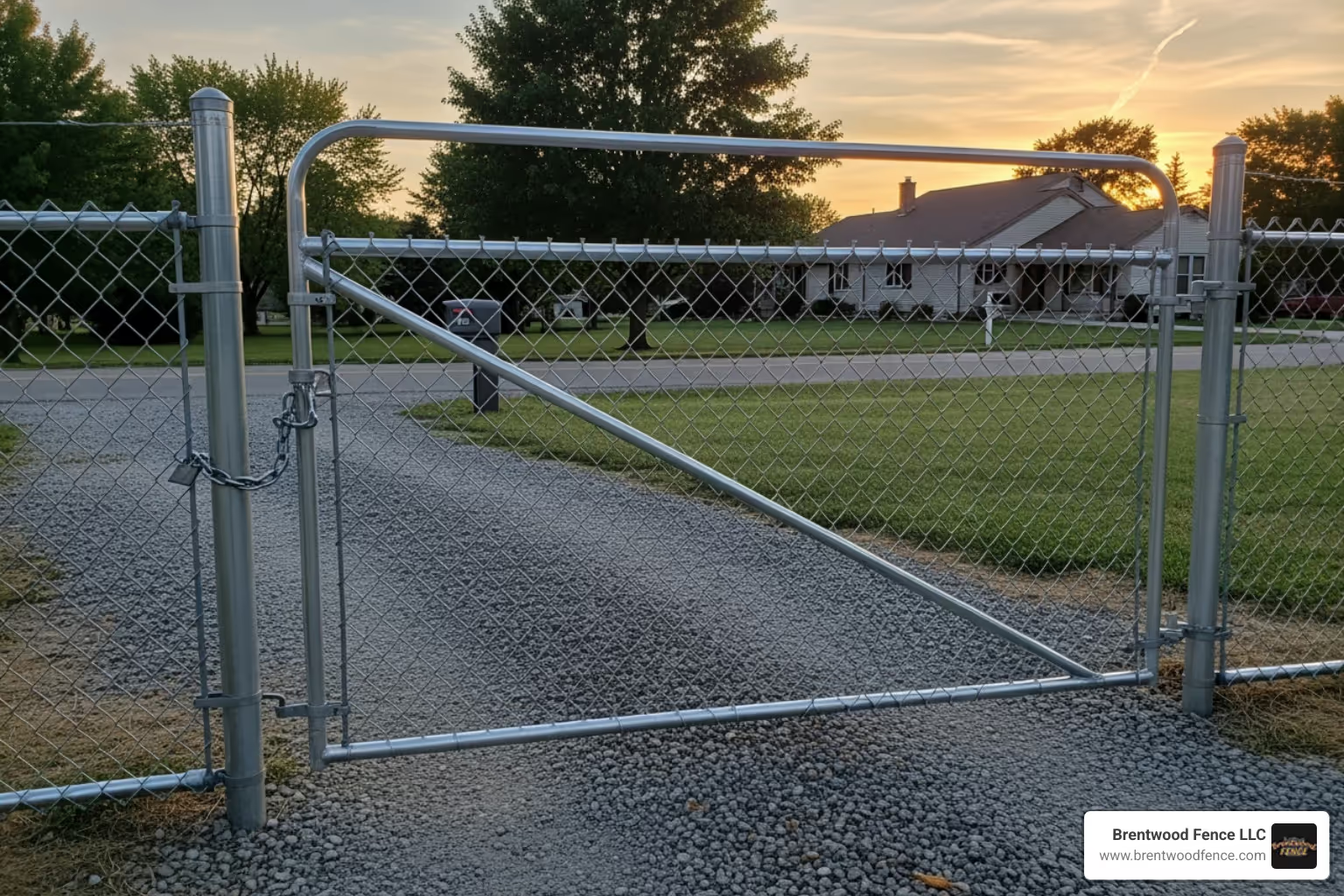
For true peace of mind, most homeowners opt for a latch with a pre-drilled hole for a padlock. This is the gold standard for residential security. Whether you use a keyed padlock or a combination lock, this setup ensures the gate cannot be opened without authorization. Some specialized "Cargo Protector" latches even feature a steel shroud that covers the padlock, protecting it from bolt cutters.
For our clients managing Commercial Chain Link Gates, basic latches often aren't enough. High-security environments require automatic deadlocking mechanisms. These locks engage the moment the gate closes, requiring a key or electronic signal to release.
Industrial-grade locks, such as those from Locinox, feature rust-free aluminum housings and stainless steel internal mechanisms. These are designed to withstand thousands of cycles. For businesses in Manchester or Concord, NH, we often recommend electromechanical locks. These can be integrated with card readers, keypads, or touch pads, allowing for controlled access without the nightmare of managing physical keys for dozens of employees.
If you have a pool in Derry or Dover, safety isn't just a preference—it’s a legal requirement. Pool-compliant gates must be self-closing and self-latching.
Magnetic latches, like the MagnaLatch, are the industry leader here. They use "super-strong" permanent magnets that never lose their pull, ensuring the gate latches even if it isn't slammed shut. Because these latches are often placed high up on the gate, they remain out of reach for small children. When paired with self-closing hinges, these create a "set it and forget it" safety system. You can learn more about these requirements in our Chain Link Fencing Gates Complete Guide.
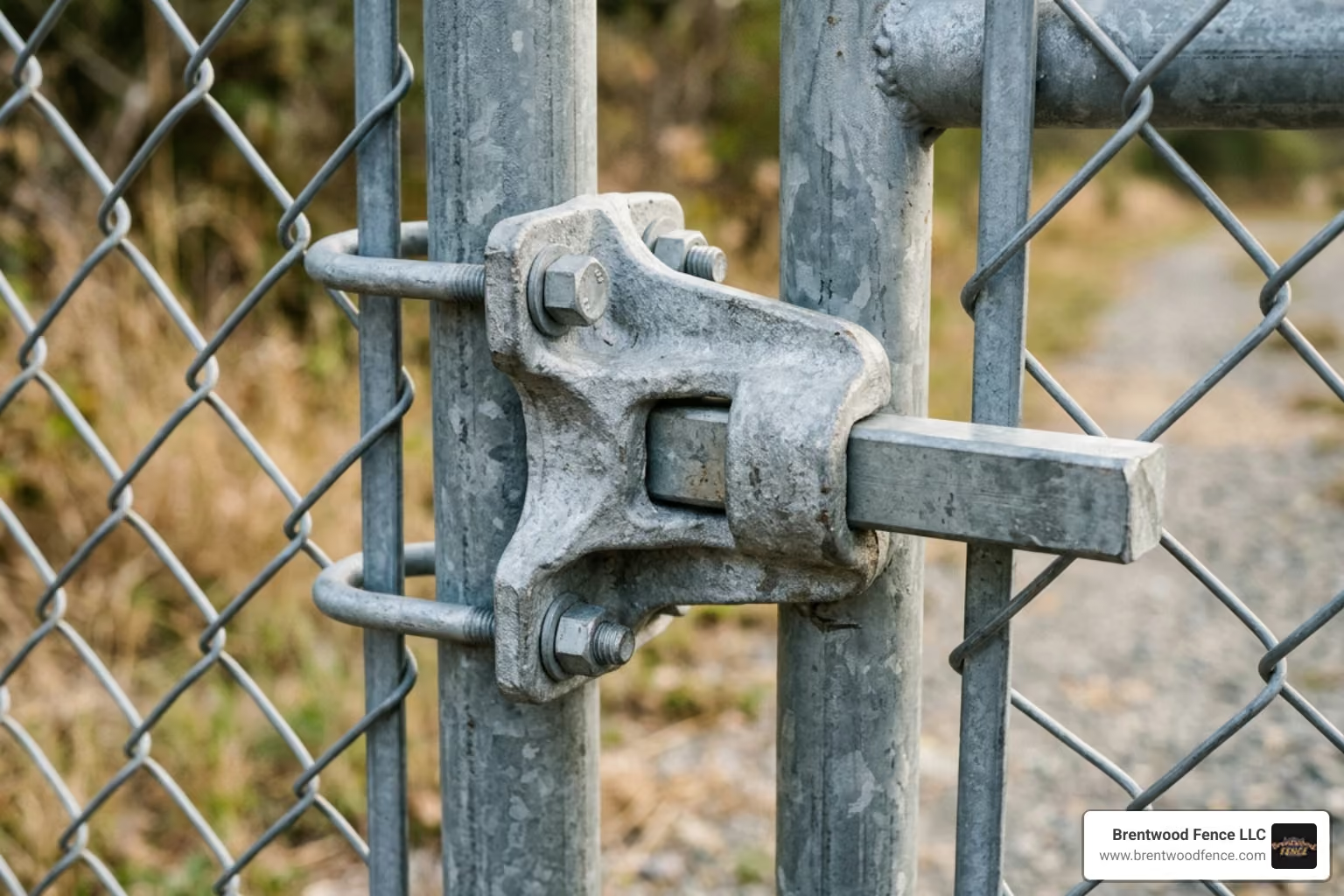
In New England, the weather is the primary enemy of your fence. Between the humid summers in Massachusetts and the freezing, salt-heavy winters in Portsmouth and Maine, hardware takes a beating. If you choose the wrong Chain Link Fence Materials Nh Ma Me, you'll be looking at a rusted-shut gate within three seasons.
Most chain link hardware is made of steel, but not all steel is treated equally. Hot-dip galvanized steel is the preferred choice. This process involves dipping the steel into molten zinc, creating a thick, bonded coating that prevents oxygen and moisture from reaching the metal underneath. It is significantly more durable than "electro-galvanized" finishes often found in big-box budget bins.
For the ultimate in rust prevention, stainless steel (specifically 304 or 316 grade) is unbeatable. Many high-end latches also use UV-stabilized industrial-strength polymers. These materials won't rust, bind, or fade in the sun, making them ideal for long-term residential use.
If you have a black or green vinyl-coated fence, you’ll want matching hardware. Powder coating provides an extra layer of protection against the elements while ensuring your gate lock for chain link fence blends in aesthetically.
The security needs of a backyard in Exeter, NH, are vastly different from a construction site in Haverhill, MA.
For most homes, the focus is on containment and basic theft deterrence. A standard fork latch paired with a high-quality combination padlock—like the Puroma 2-pack which has thousands of 4.3-star reviews—is usually sufficient. These are affordable, easy to use, and don't require you to carry a key while mowing the lawn.
Commercial properties often utilize "Double Drive" gates for vehicle access. These require specialized hardware like drop rods (also called cane bolts) that secure one side of the gate into the ground while the other side latches to it.
To prevent forced entry, we recommend "Strong Arm" latches or "Fence-Loc" protectors. These systems are designed to be "bolt-proof"—meaning an intruder can't simply unscrew the latch to get inside. For maximum security, industrial sites often use electromechanical deadlocks that provide a "lock status" signal to an alarm system, notifying the owner if the gate is left ajar.
If you aren't sure which level of security your property needs, our Chain Link Fencing Installation Services include a professional consultation to match the hardware to the risk level.
We have seen many DIY attempts at installing a gate lock for chain link fence go south because of one simple issue: alignment.
Ground settling is a reality in New England. As the frost heaves the soil in the spring, fence posts can shift slightly. If your latch only has a 1/4" tolerance, a tiny shift in the post means your gate no longer locks. Professional installers use latches with vertical and horizontal adjustability (like the LokkLatch) to compensate for this natural movement.
A gate is a heavy, moving object. It needs a sturdier post than the rest of the fence. While line posts might be 2", gate posts should often be 2-3/8" or even 4" for larger commercial gates. Using a latch that is the wrong size for your pipe diameter will result in a loose, rattling connection that eventually fails.
Even the best galvanized hardware needs a little love.
Professional installation ensures that your gate is hung square and your hardware is properly torqued. This is especially vital for Chain Link Fencing NH MA ME projects where local soil conditions can be tricky.
It’s a trade-off between security and convenience.
Sagging usually happens because the gate frame isn't perfectly square or the hinges have slipped.
If budget allows, 304 Grade Stainless Steel or UV-stabilized engineered polymers are the best. They are 100% rust-proof. For a more budget-friendly option that still lasts, hot-dip galvanized steel is the industry standard. Avoid "zinc-plated" hardware that looks shiny and silver at the store; it usually rusts within one New England winter.
Choosing the right gate lock for chain link fence installations isn't just about picking a part off a shelf—it’s about protecting what matters most. Whether you’re looking for a child-safe magnetic latch for a pool in Manchester or a high-security electromechanical system for a warehouse in Haverhill, the right hardware makes all the difference.
At Brentwood Fence LLC, we specialize in providing durable, weather-resistant fencing solutions tailored to the unique challenges of the New England climate. A secure gate provides peace of mind, knowing that your pets are contained, your kids are safe, and your property is protected.
Ready to secure your perimeter with professional-grade hardware and expert installation? More info about gate installation services is just a click away. Let us help you build a fence that stands the test of time.
Copyright 2022 Brentwood Fence | All Rights Reserved | Sitemap | Website by Plumb Development a Digital Marketing Agency