Blog Content

5
Jul
2026
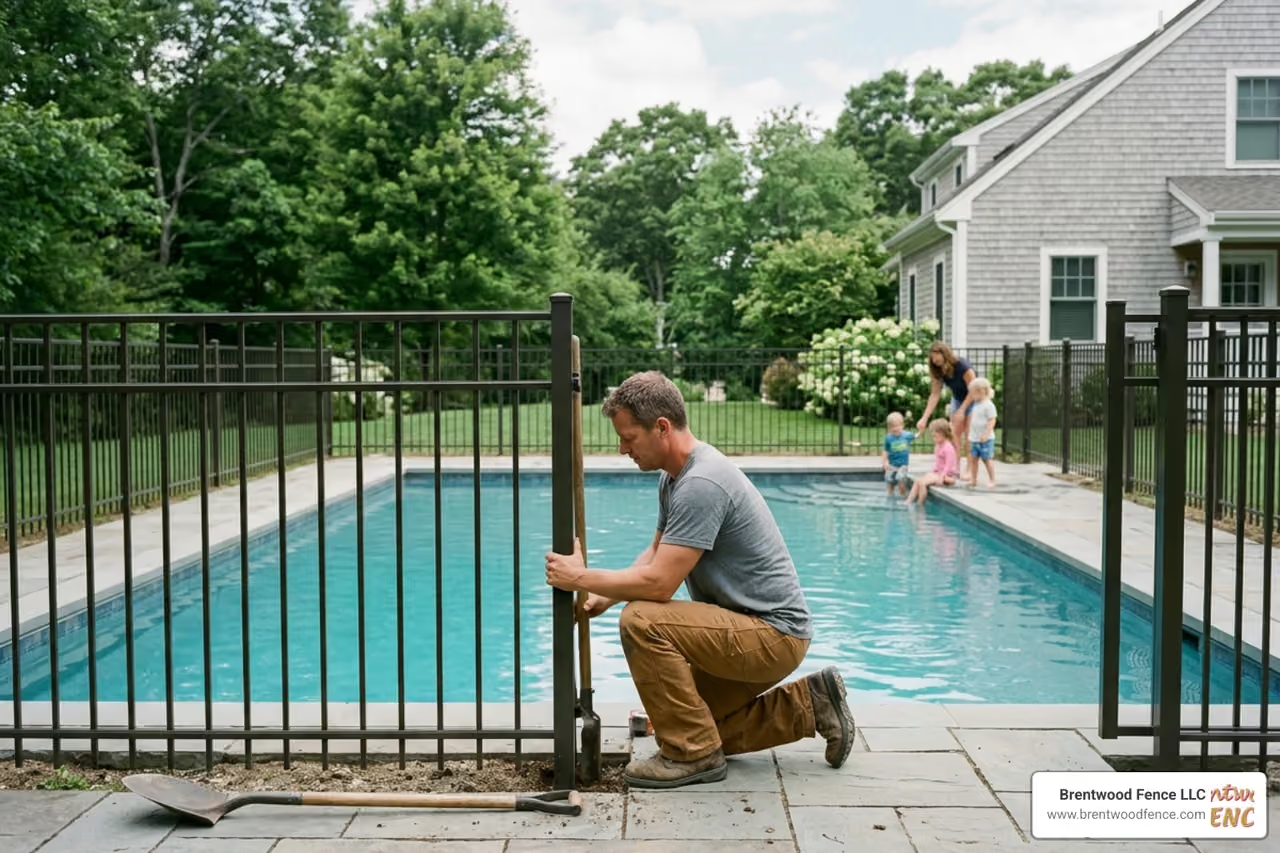
Hiring a qualified MA pool fence contractor is one of the most important decisions a pool owner in Massachusetts can make. According to CDC drowning prevention guidance, a properly installed pool fence can reduce the risk of drowning by 83%. That single statistic says everything about why this matters.
Here is what you need to know right away:
Massachusetts summers mean busy backyards, backyard pools, and - without the right barriers - real safety risks, especially for young children and pets. Getting the fence right is not just about code compliance. It is about protecting the people you care about most.
This guide walks you through everything: state and local codes, materials, permits, insurance benefits, and what to look for in a trusted local contractor.
Navigating pool barrier laws in the Bay State can feel like trying to fold a fitted sheet—confusing, slightly frustrating, and highly prone to errors if you try to wing it. However, because child safety is on the line, the state enforces these rules with absolute precision.
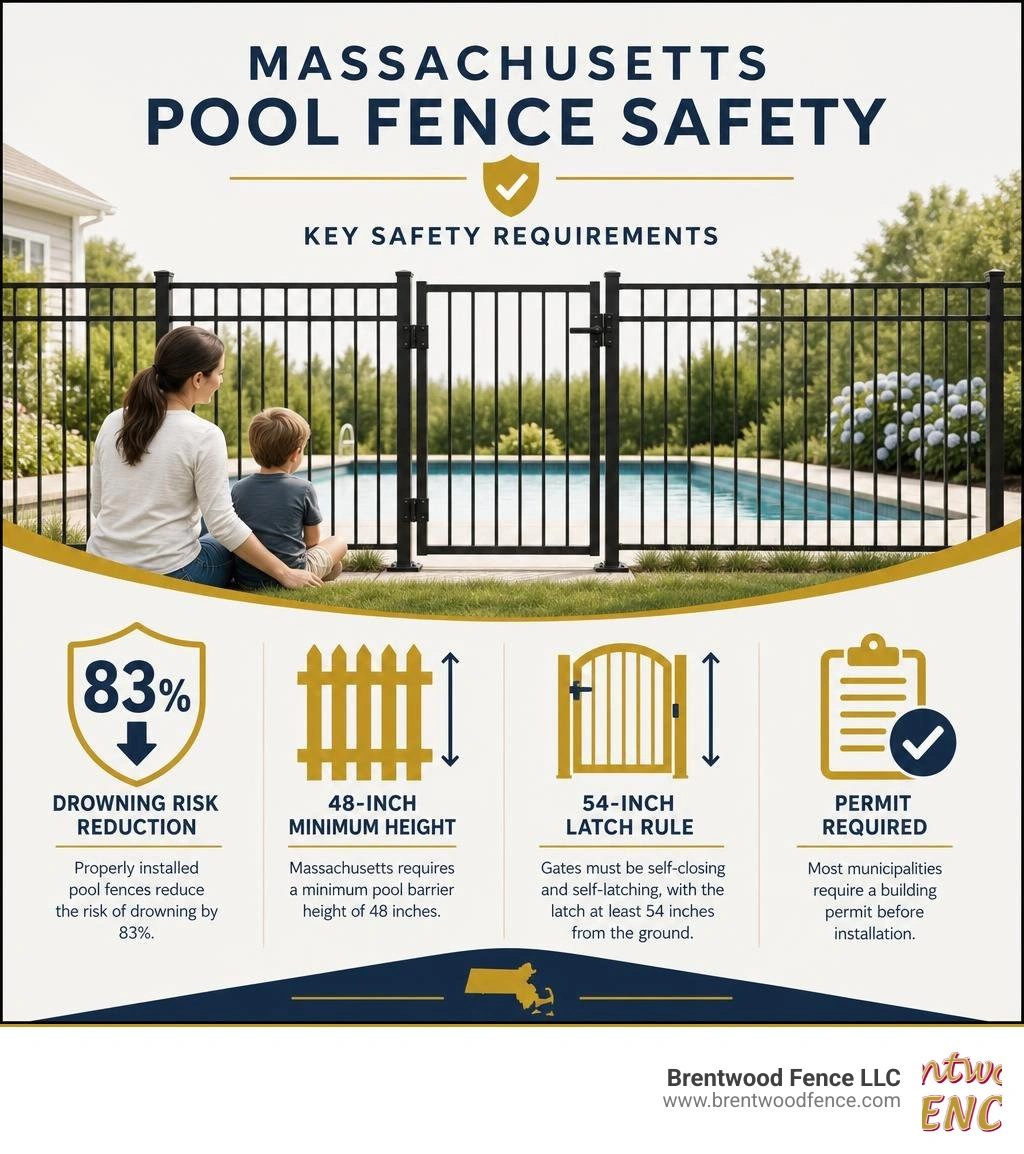
In Massachusetts, pool barrier guidelines are primarily adopted from the International Residential Code (IRC) Appendix G. These regulations apply to any outdoor residential swimming pool, hot tub, or spa that holds more than 24 inches of water. To make sure your property is both safe and legally compliant, you must understand how these rules translate to physical fence features. For an exhaustive breakdown of the legal framework, you can read our detailed guide on the Massachusetts Pool Fence Code.
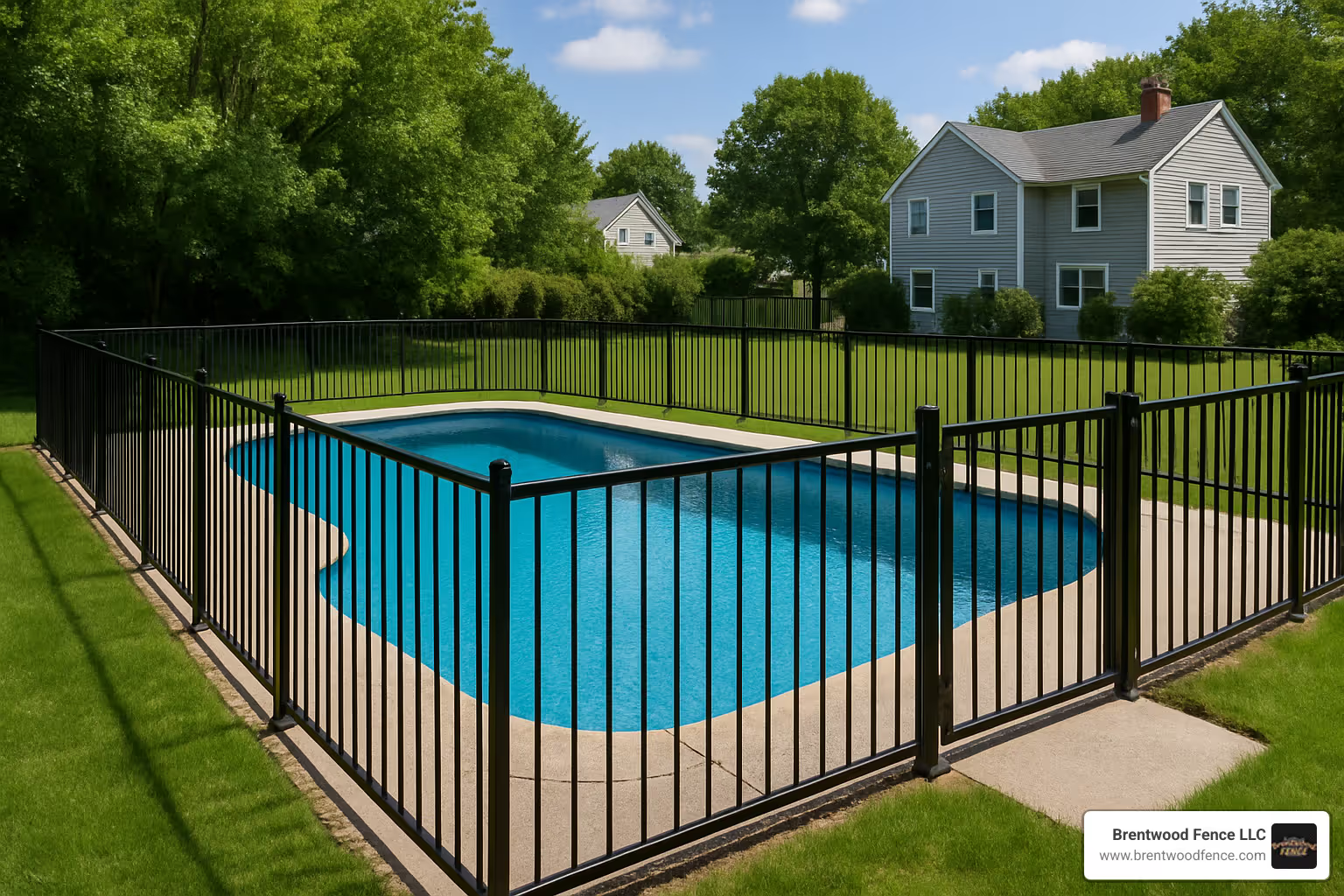
To satisfy a local building inspector anywhere in Massachusetts, your pool fence must meet several non-negotiable physical dimensions:
While the state sets a baseline of 48 inches, Massachusetts allows local municipalities to enforce stricter ordinances. If you live in one of these areas, you must build to local town bylaws, not just state minimums:
Because local bylaws are constantly updated, working with an experienced ma pool fence contractor who regularly pulls permits in your specific town is the easiest way to avoid costly teardowns and code violations.
Selecting the right material for your pool fence is a balancing act between safety compliance, aesthetic appeal, and New England weather durability. Our winters bring freezing temperatures and heavy snow, while our summers bring high humidity and salty coastal air. The material you choose needs to stand up to these seasonal swings without warping, rusting, or rotting.
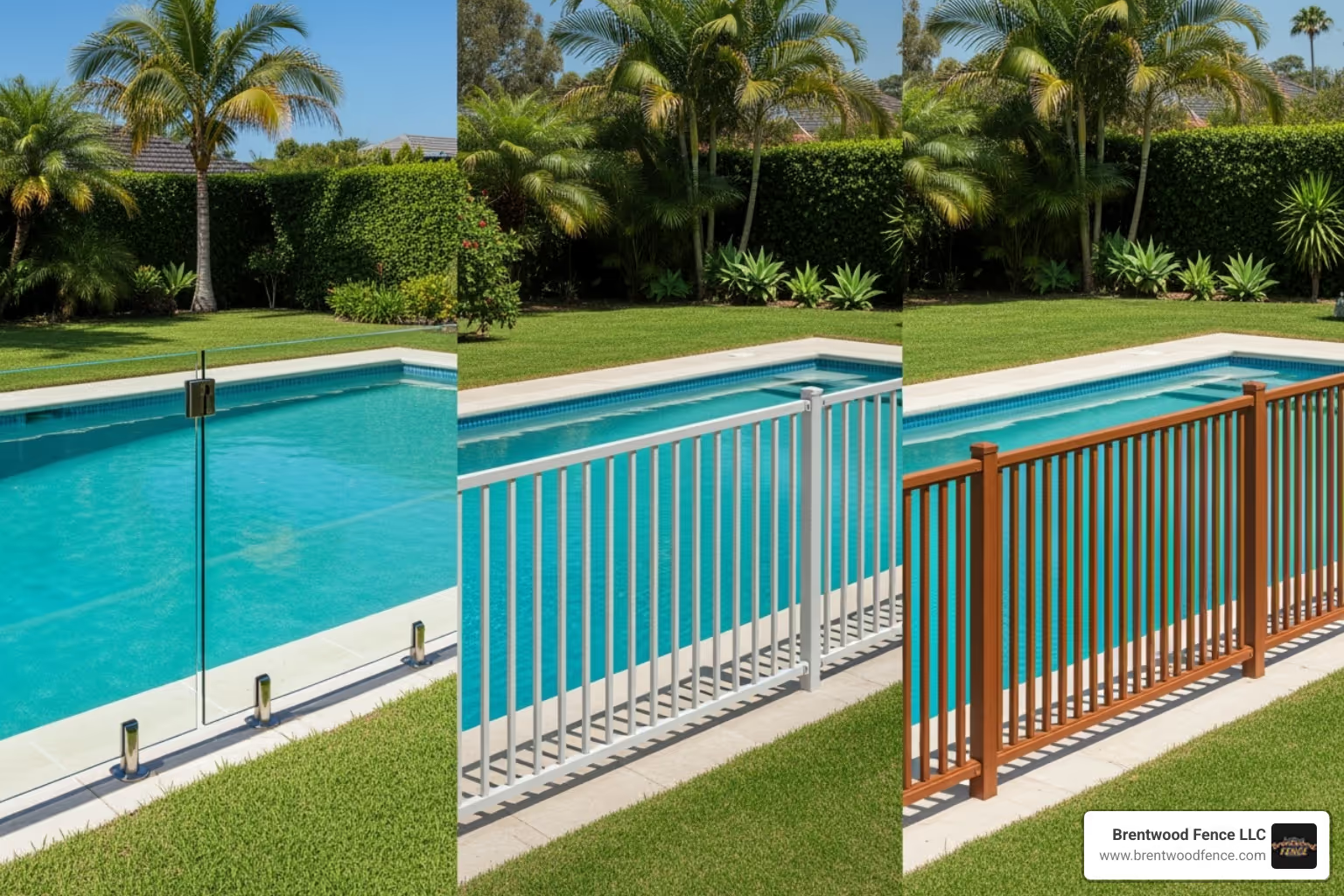
If you are looking for a sleek, modern aesthetic that offers completely unobstructed views of your water, you might want to look into Pool Glass Fencing Solutions NH MA ME. For a broader look at how different materials stack up, review the comparison table below:
For the vast majority of homeowners in Eastern Massachusetts and Southern New Hampshire, aluminum and vinyl represent the smartest long-term investments.
Ornamental Aluminum is widely considered the gold standard for pool enclosures. It mimics the classic, elegant look of wrought iron but is completely rust-proof. This is incredibly important if you live near the coast in places like Portsmouth, NH, or Salisbury, MA, where salt air eats through standard metals. Aluminum fences feature slim vertical pickets that provide excellent sightlines, allowing you to keep a watchful eye on the pool from your kitchen window or patio.
Vinyl Fencing is another highly popular option. High-quality vinyl will not rot, warp, split, or rust, making it virtually maintenance-free. It is also an excellent option if you want to combine pool safety with backyard privacy. A solid tongue-and-groove vinyl privacy fence keeps windblown debris out of your pool and blocks the view of curious neighbors. If you are looking to secure a property on the North Shore or near the New Hampshire border, choosing a high-quality vinyl pool fence ensures long-lasting protection and a clean, modern look that enhances your home's curb appeal.
If aluminum or vinyl doesn't match your home's architectural style, there are several premium alternatives:
While a weekend warrior might be tempted to buy a DIY fence kit from a big-box retailer, pool fencing is one area where professional installation pays for itself. A single misaligned gate, a post shifted by winter frost, or a gap that is half an inch too wide can cause your entire project to fail local inspection, delaying your pool opening by weeks.
In Massachusetts, you cannot simply dig post holes and put up a pool fence on a whim. Almost every city and town requires an approved building permit before construction begins.
The permit process typically requires submitting a detailed plot plan showing your property lines, septic system location (if applicable), the exact footprint of the pool, and the proposed path of the fence. Once the fence is installed, a local building inspector will perform a physical site visit to test the gate latch, measure the picket gaps, and verify the overall height.
When you hire a licensed ma pool fence contractor, we handle this entire administrative headache for you. We pull the permits, coordinate with local zoning boards, and ensure the layout complies with local setbacks. If you are coordinating a larger backyard renovation, we can also work alongside your regional pool builders to make sure the fence installation aligns perfectly with your pool construction timeline.
The New England climate presents unique challenges for fence stability. Our deep winter freeze-thaw cycles cause the ground to expand and contract. If fence posts are not set deep enough—well below the local frost line (typically 36 to 40 inches in Massachusetts)—they will inevitably shift.
When a post shifts even a fraction of an inch, the self-closing gate will fail to align with the latch. This means your gate will stay propped open, creating an immediate safety hazard and a code violation. Professional installers use commercial-grade post-hole augers, set posts in high-strength concrete mixes, and use heavy-duty hardware designed to withstand constant use.
Furthermore, professional contractors provide robust workmanship warranties. If a gate sag occurs or a post shifts during the first few seasons, a reputable company will return to adjust the hardware at no cost to you. If you are located near our northern service areas, you can learn more about our regional teams and local standards by checking out our guides on Pool Fence Contractors Dover NH and Maine Pool Barrier Contractors.
Beyond the obvious physical safety benefits, installing a code-compliant pool fence has major financial implications for your homeowners insurance policy.
In the eyes of insurance companies, an unsecured swimming pool is an "attractive nuisance"—a feature on your property that is naturally inviting to children but poses a significant danger. If your pool is not properly secured by a lockable, code-compliant fence, your insurance carrier can cancel your liability coverage or deny claims in the event of an accident.
Conversely, presenting your insurance agent with a certificate of compliance and written proof of professional fence installation can lower your liability risks and, in many cases, qualify you for a premium discount of up to 10%. It is a simple equation: a safer yard equals lower premiums and complete peace of mind.
To help you quickly find the answers you need, we have compiled the most common questions Massachusetts homeowners ask us about pool fence compliance.
Yes, but with strict safety caveats. If one wall of your home forms a side of the pool enclosure, any doors or windows with direct access to the pool area must be secured. Under Massachusetts code, these doors must be equipped with an audible alarm (certified to UL 2017 standards) that sounds immediately when the door or screen is opened. Alternatively, the doors must be self-closing and self-latching, with the latch positioned at least 54 inches high to keep them out of reach of children.
Yes. If an above-ground pool holds more than 24 inches of water, it requires a barrier. If the ladder or steps leading into the pool can be secured, locked, or removed when the pool is not in use, or if the pool structure itself is at least 48 inches tall and meets climb-resistance standards, you may not need a separate perimeter fence. However, many local towns still require a dedicated safety barrier surrounding the ladder area to prevent unauthorized access.
Once your fence installation is complete, a local municipal building inspector will visit your property. They will use a tape measure to verify that the fence height is at least 48 inches from the outside grade, that the bottom gap is under 2 inches, and that vertical picket spacing is under 4 inches. They will physically open your gates to ensure they self-close and self-latch from any position—including when opened just a few inches. If everything passes, they will sign off on your pool's certificate of occupancy.
When it comes to building a pool fence in Massachusetts, there is simply no room for error. Keeping your family safe and your property legally compliant requires a deep understanding of state codes, local town ordinances, and proper installation techniques.
By partnering with a licensed, experienced team, you can avoid the headaches of failed inspections, gate alignment issues, and municipal fines. If you are ready to secure your backyard retreat with a beautiful, durable, and fully code-compliant safety barrier, we are here to help.
Explore our professional installation options and request your free on-site estimate today by visiting our Pool Fencing Install Services NH ME MA page. Let us help you enjoy a fun, worry-free summer!
Copyright 2022 Brentwood Fence | All Rights Reserved | Sitemap | Website by Plumb Development a Digital Marketing Agency