Blog Content

9
Nov
2025
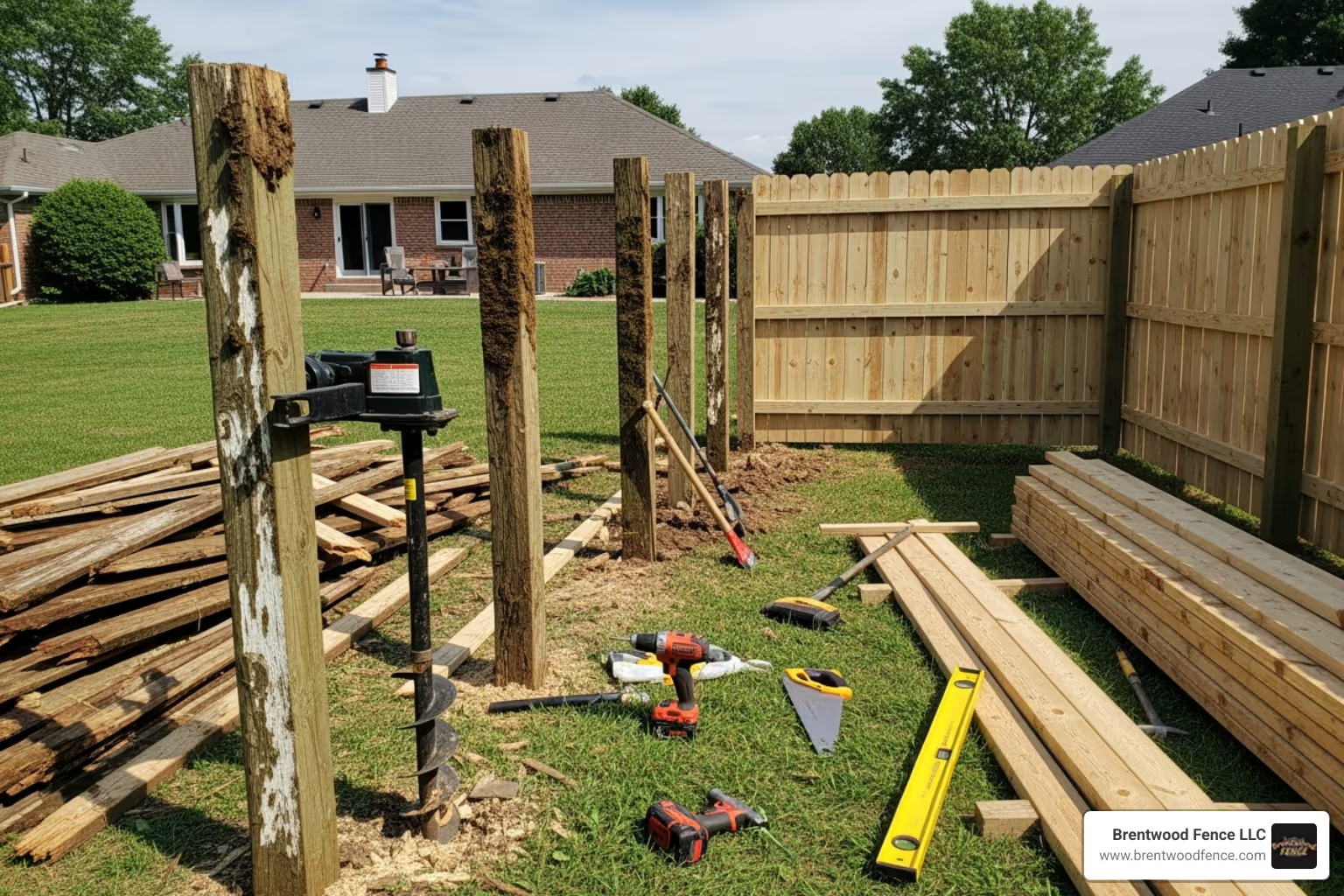
Replacing wooden fence structures is one of the most impactful upgrades for your property. If your fence is rotting, leaning, or just looks outdated, a new one can restore security, privacy, and curb appeal.
Quick Answer: Key Signs Your Wooden Fence Needs Replacement
While all fences need maintenance, there's a point when repairs are no longer cost-effective. Professionally installed wood fences cost between $16 to $40 per foot, with a typical 6-foot privacy fence replacement ranging from $4,000 to $10,000 for 200 linear feet. This investment delivers an impressive 62% return on investment at resale.
A wooden fence provides privacy and keeps kids and pets safe, but weather, moisture, and time take their toll. When multiple sections are damaged, posts are compromised, or repairs become frequent, it's time for a full replacement.
This guide will help you assess your fence's condition, understand the replacement process, and choose the right materials to ensure your new fence lasts for decades.
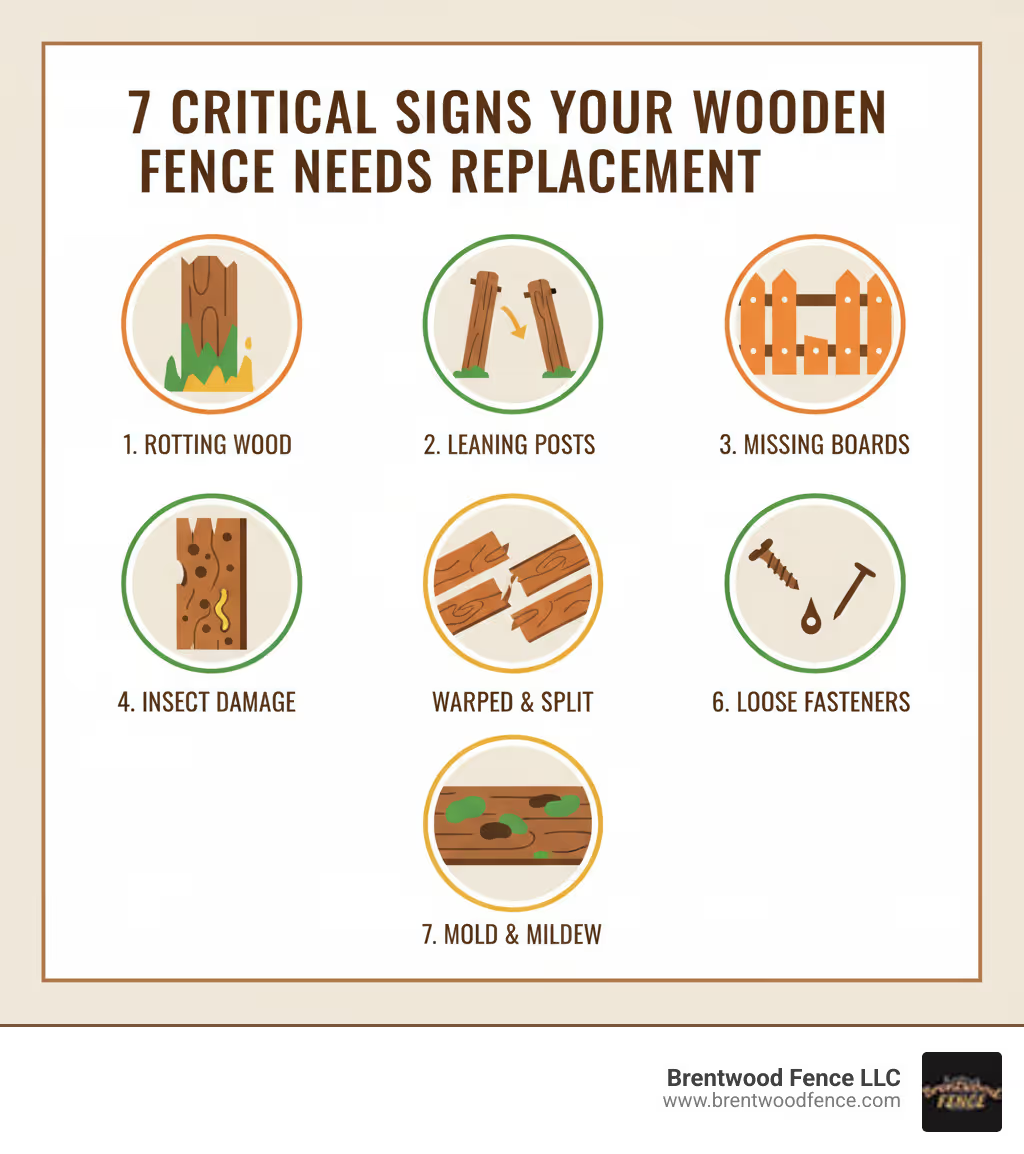
Easy replacing wooden fence glossary:
Not every fence problem requires a full replacement. Often, you can save money and hassle by addressing only the damaged sections. The key is knowing when a targeted repair is sufficient versus when it's time for a fresh start.
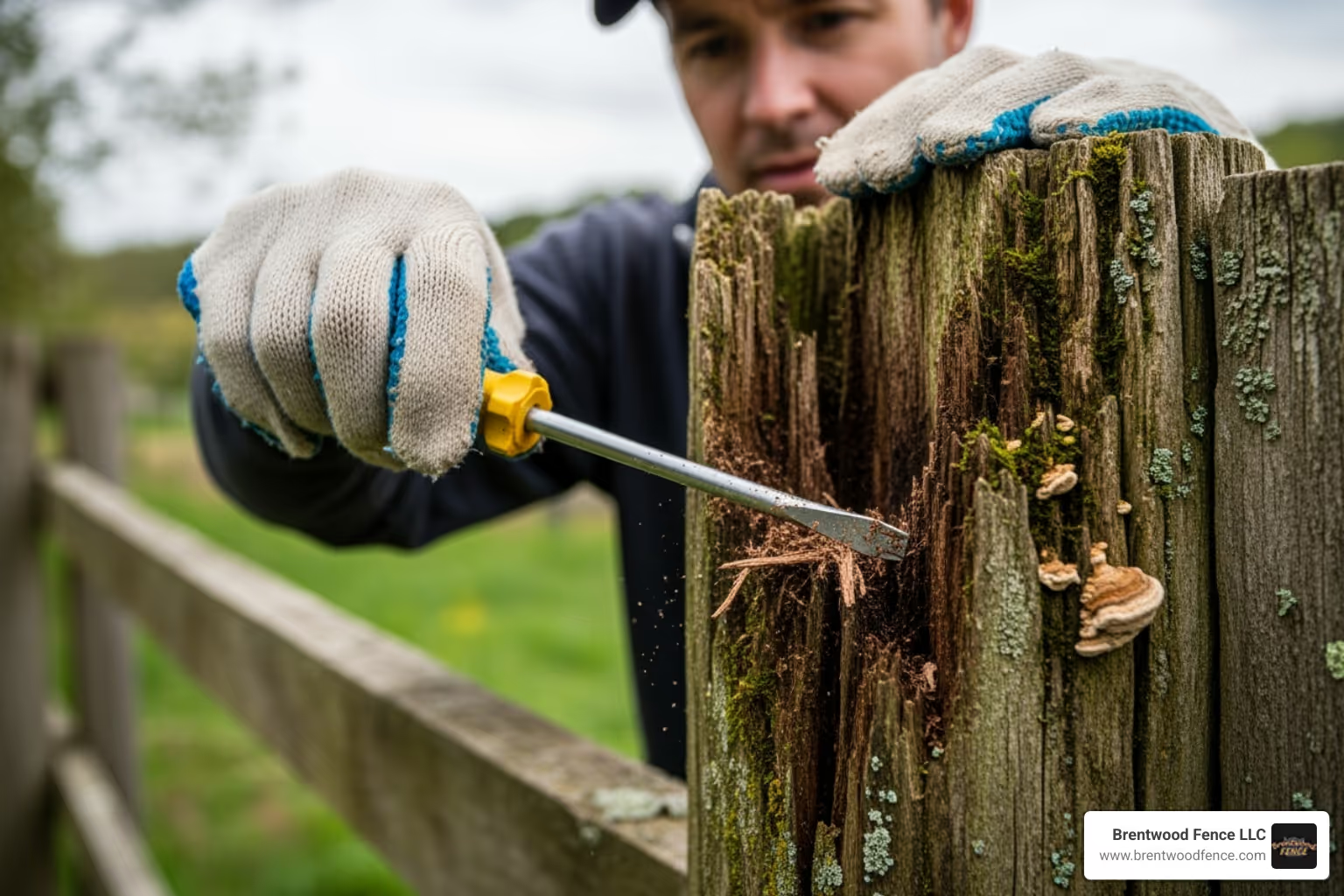
We begin every project with a thorough property walkthrough, examining each post, panel, and rail. Sometimes damage is isolated, but other times rot has spread, indicating the fence's lifespan is over. This honest assessment helps us recommend the best solution for your budget.
During our inspection, we look for key warning signs:
Partial replacement is a great option when damage is contained to a specific area. If a storm or accident damages one section, there's no need to replace the entire fence. This approach offers significant cost savings and less disruption to your yard.
Localized damage is a perfect candidate for targeted repairs. We can match new sections to your existing fence, restoring its function and appearance quickly. Some homeowners also opt for partial replacement for aesthetic updates, such as refreshing a street-facing section.
If you think a targeted repair might work for you, learn more about our Fence Repair Services NH, MA, ME.
Repairs stop making sense when you have widespread rot affecting multiple posts and panels. Patching becomes a losing battle, and repair costs add up.
Compromised posts are a dealbreaker. If the structural backbone of your fence is failing in multiple locations, the entire system is unreliable. Rotting or leaning posts cannot support the fence long-term.
Other signs it's time for a full replacement include:
A full replacing wooden fence project provides a fresh start with modern materials and proper installation, ensuring your fence will stand strong for decades.
When you're replacing wooden fence structures, you want a smooth, efficient, and stress-free process. Our professional team handles everything from planning to the final walkthrough, ensuring your new fence is built to last. We manage property lines, building codes, and utility marking so you don't have to.
Proper planning is the most critical step. A fence installed in the wrong location or without permits can be a costly headache. Our process includes:
Once planning is complete, we methodically demolish the old fence to minimize disruption. We start by removing old panels and rails section by section, protecting your landscaping. Extracting old posts, especially those in concrete, is the trickiest part. We use specialized tools to remove them efficiently.
We take proper disposal of old materials seriously. Pressure-treated wood contains chemicals and must be handled according to local regulations, as explained by the EPA's guidance on wood preservatives. When we're done, your property is cleared and ready for the new installation.
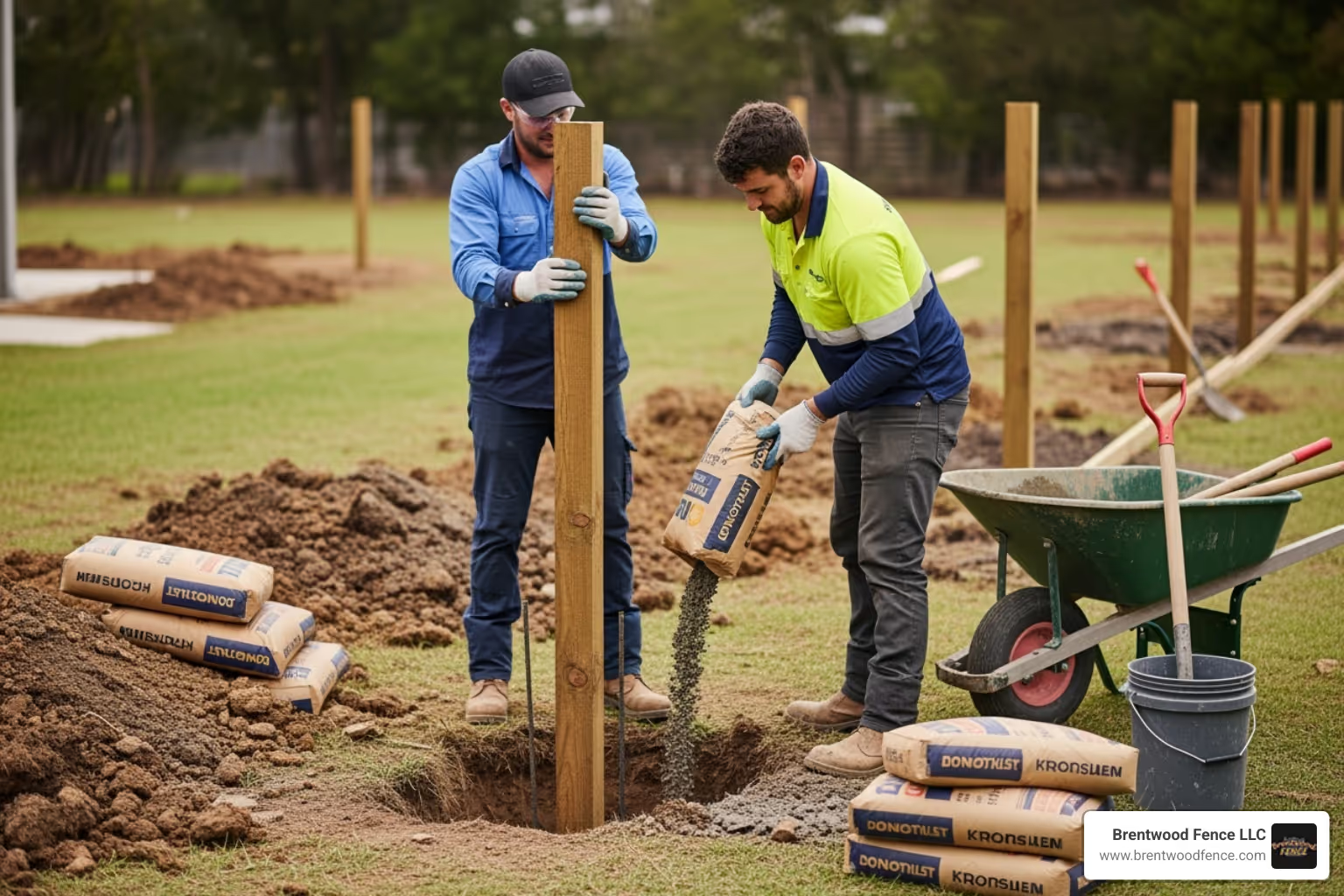
This is where your vision becomes reality. We begin by digging post holes to the correct depth, ensuring they are below the frost line to prevent heaving. Setting posts in concrete is done with precision. We add gravel for drainage, ensure each post is perfectly plumb (straight), and pour high-quality concrete, sloping the top to shed water and prevent rot.
Post alignment is key to a professional look. We use string lines to ensure every post is perfectly aligned. Once the concrete cures, we attach the horizontal rails and vertical pickets with exterior-grade, rust-resistant fasteners. We stagger rail joints to distribute stress and create a stronger fence. Our Wood Fencing Installation Services page details our commitment to quality.
The final phase is about the details. We install any gates with precision, ensuring they swing smoothly and latch securely. All hardware, like latches and post caps, is attached.
Before we finish, we conduct a final walkthrough with you to ensure the fence meets your expectations. We check for stability, secure connections, and overall appearance. Site cleanup is our last step; we remove all debris, leaving your property with a stunning new fence.
We'll also advise on the best time for staining and sealing. Pressure-treated wood, for example, needs to dry for several months before a finish can be applied. This ensures the protective coating adheres properly and doesn't trap moisture.
When replacing wooden fence sections or the entire structure, your choices in materials, budget, and appearance are crucial for long-term satisfaction. Let's break down what matters most.

The wood species you select affects your fence's look, lifespan, and maintenance needs.
Our team can help you select the best option for your property and budget in New Hampshire, Massachusetts, or Maine.
We believe in being upfront about project costs. The cost difference between partial and full replacement can be thousands of dollars, which is why a proper assessment is so valuable.
Professional wood fence installation typically costs $16 to $40 per linear foot. A standard 6-foot privacy fence often falls in the $28-$35 per foot range, meaning a 200-foot replacement could cost between $4,000 and $10,000.
Key cost drivers include:
For a detailed breakdown, see our guide on the Cost Wood Fence Installation NH, MA, ME. A quality fence is an investment that returns value through security, privacy, and curb appeal.
When only replacing wooden fence sections, how do you avoid a mismatched look? Professional experience is key.
Our professional blending techniques ensure the new section matches the height, alignment, and character of your existing fence, creating a repair that ages gracefully.
Homeowners often have similar questions when considering replacing wooden fence structures. Here are answers to the ones we hear most often.
A professional crew can typically replace a standard residential fence (around 150-200 feet) in 2-4 days. This timeframe includes demolition, installation, and cleanup. The exact duration depends on factors like terrain, fence type, and weather. A straightforward project on level ground will be faster than one on rocky, uneven terrain. We work efficiently to ensure your yard isn't a construction zone for weeks, and a small repair may take less than a day.
It depends. If a single post is leaning but the wood is still sound (no rot), a professional may be able to reset it. However, if the post is rotted at the base or if multiple posts are failing, replacement is the only sensible long-term solution. Leaning posts often indicate a deeper problem like rot from water pooling or soil erosion. Probing the base of the post with a screwdriver can reveal rot—if the wood is soft, it needs to be replaced. If multiple posts are compromised, it's time to consider replacing the fence.
Yes, this is a great option, provided the metal posts are structurally sound, plumb (perfectly vertical), and correctly spaced. Professionals use special brackets to securely connect wooden rails to metal posts, creating a solid, lasting connection. This approach combines the strength and longevity of metal posts with the natural aesthetic of wood panels. It can be very cost-effective if your metal posts are in good condition. Our team has extensive experience with this type of hybrid installation, which you can read about in our guide on Installing Wood Fence Panel with Metal Posts.
Replacing wooden fence structures is an investment in your home's future and your family's quality of life. As we've covered, knowing the signs of failure and understanding the professional process are key to making the right choice between repair and replacement.
A new wooden fence offers significant benefits, including increased home value (with a 62% ROI), improved security for your family and pets, and a major boost to your home's curb appeal. Most importantly, it provides peace of mind, eliminating worries about failing sections or constant repairs.
Professional installation by a team like Brentwood Fence LLC makes all the difference. We bring expertise in local building codes, property lines, and the right materials for the New England climate. We serve homeowners throughout New Hampshire, Massachusetts, and Maine, including in communities like Exeter, Portsmouth, Manchester, Concord, Derry, Dover, and Haverhill, navigating the complexities so you don't have to.
If your fence shows signs of widespread rot, leaning posts, or frequent damage, it's time to be proactive. Don't wait for a failure. Our team is here to make the process smooth and stress-free, handling every detail with professionalism.
Ready to transform your outdoor space? Get a free estimate for your wood fencing installation with Brentwood Fence LLC today. Let us help you create the secure, private, and attractive property you deserve.

Copyright 2022 Brentwood Fence | All Rights Reserved | Sitemap | Website by Plumb Development a Digital Marketing Agency