Blog Content

18
Jan
2026
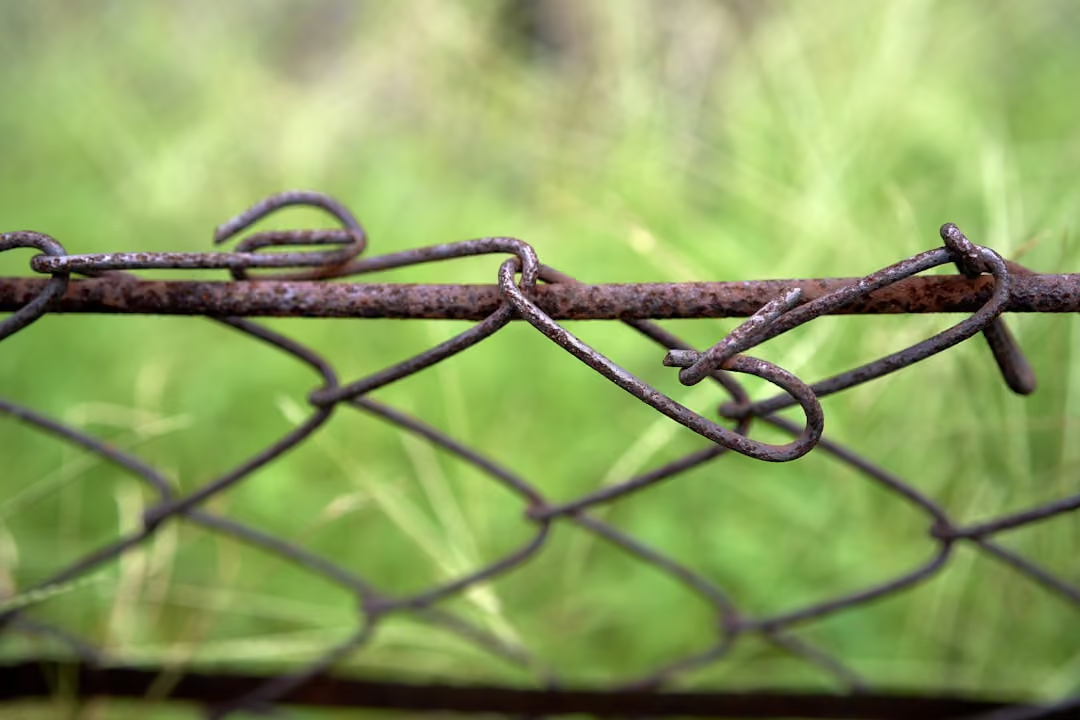
Stainless steel chain link fence offers best durability and corrosion resistance for property owners who need fencing that lasts. Here's what makes it stand out:
If you've dealt with rusty galvanized fencing or vinyl-coated options that crack and peel, you understand the frustration. Traditional chain link materials often fail within 10-20 years, especially in harsh climates. Stainless steel eliminates these problems entirely.
The secret lies in chromium. When stainless steel is exposed to oxygen, it forms a passive oxide layer that continuously regenerates, preventing rust and corrosion. Grade 304 works well for most outdoor applications, while Grade 316 (often called "marine grade") adds molybdenum for superior resistance to saltwater and industrial chemicals.
Yes, stainless steel costs more upfront than galvanized steel. But when you factor in replacement costs, maintenance, and the peace of mind that comes with a fence that won't rust out or require constant attention, the investment pays for itself. This is particularly true for high-security facilities, coastal properties, industrial sites, and animal enclosures where failure isn't an option.
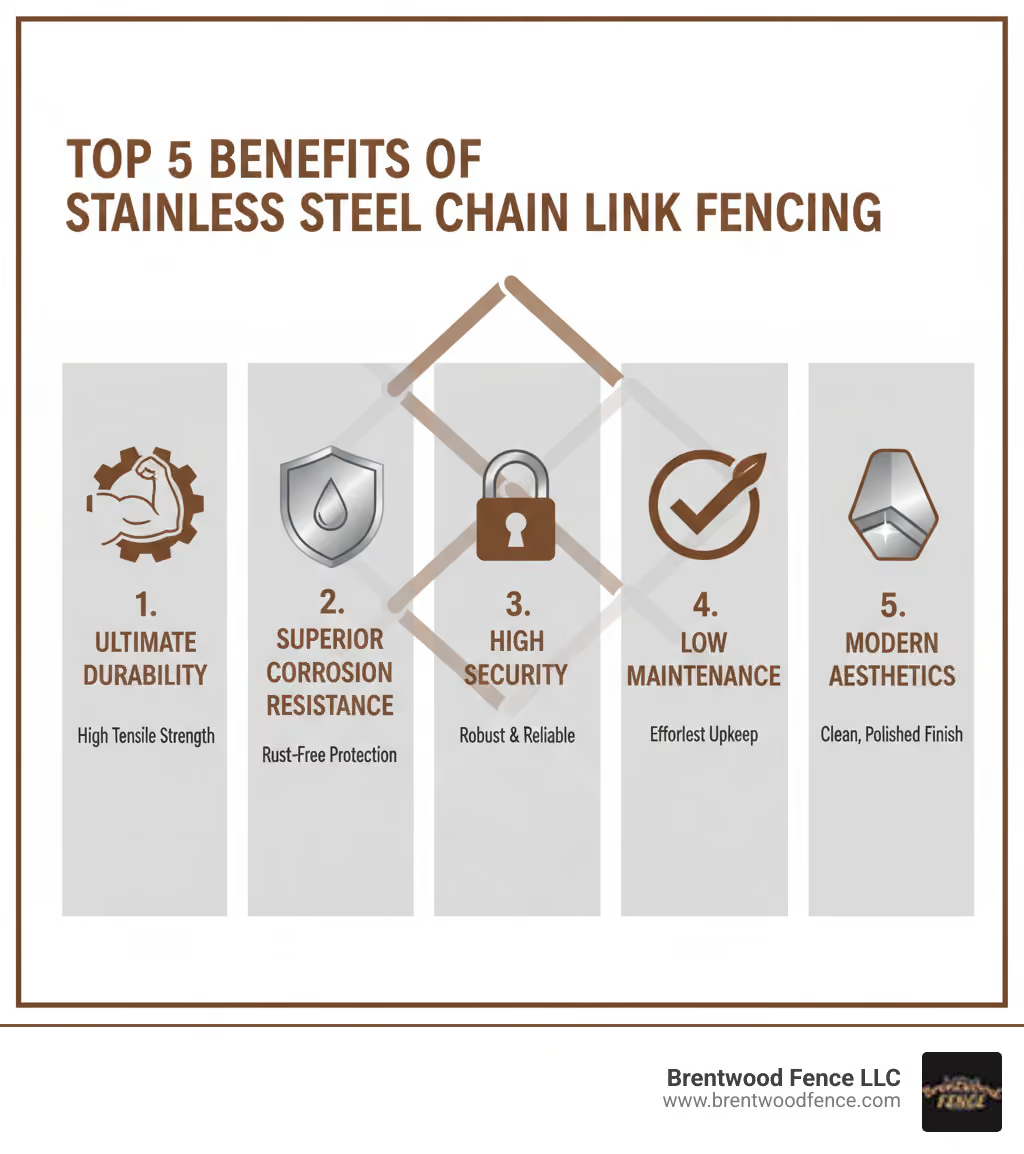
Find more about stainless steel chain link fence:
Choosing a fence is an investment in protection and performance, and not all materials are created equal. A stainless steel chain link fence offers superior strength, corrosion resistance, and a lifespan other materials can't match. In the challenging climates of New Hampshire, Massachusetts, and Maine, these features are essential.
Fences in our region face salty coastal air, heavy snow, and humid summers. While most materials rust and weaken, a stainless steel chain link fence is engineered to thrive in these conditions, resisting the elements that destroy traditional fencing.
Beyond its ruggedness, stainless steel offers a clean, modern aesthetic. Its bright metallic finish adds a professional look to any property and stays attractive for years without peeling or fading. Maintenance is minimal—unlike galvanized or vinyl-coated options, stainless steel only requires occasional cleaning. This combination of strength, longevity, and low upkeep makes it a standout choice. For more insights on chain link options, check out our guide to chain link fencing.
For heavy-duty applications, a stainless steel chain link fence is the professional's choice. It's engineered not to fail when it matters most.
Its high yield and tensile strength mean it can absorb impacts, contain large animals, and protect high-security perimeters without bending or breaking. It simply has more backbone than alternatives.
New England weather, from freezing winters to humid summers, doesn't weaken stainless steel. It performs reliably in extreme temperatures, won't sag under snow, and won't become brittle in the cold, maintaining its integrity for decades.
This resilience is critical for industrial facilities, airports, railroads, and animal enclosures where failure is not an option. Stainless steel delivers that reliability. For more on robust fencing solutions in our region, explore our insights into heavy chain link fencing nh ma me.
The key advantage of a stainless steel chain link fence is its corrosion resistance. The chromium in the steel creates a passive, self-healing oxide layer. If scratched, this layer automatically regenerates, continuously protecting the steel from rust.
Unlike a coating that can fail, this protection is a fundamental property of the metal. This makes it ideal for the wet, humid, and coastal climates of New England.
Galvanized steel's zinc coating eventually corrodes, exposing the steel to rust. With stainless steel, the protection is permanent because it's part of the metal itself.
In coastal environments, stainless steel resists the salt spray that destroys traditional fencing. While galvanized steel may last 10-20 years before rusting, stainless steel can last decades longer without corrosion. For those exploring durable metal fencing options in our area, consider our expertise in metal chain link fence nh ma me.
Not all stainless steel chain link fence is the same. Understanding grades and specifications is essential to choosing the right fence for your needs and environment.
The grade you select impacts performance and lifespan, especially when facing salt spray, ice, or chemical exposure. Matching the grade to your environment is critical for long-term performance.
A coastal fence in Gloucester, MA, faces different challenges than an inland one in Concord, NH. Understanding the key differences makes choosing the right fence straightforward. For a deeper dive into what goes into a quality chain link fence, our guide on chain link fence materials nh ma me covers the fundamentals.
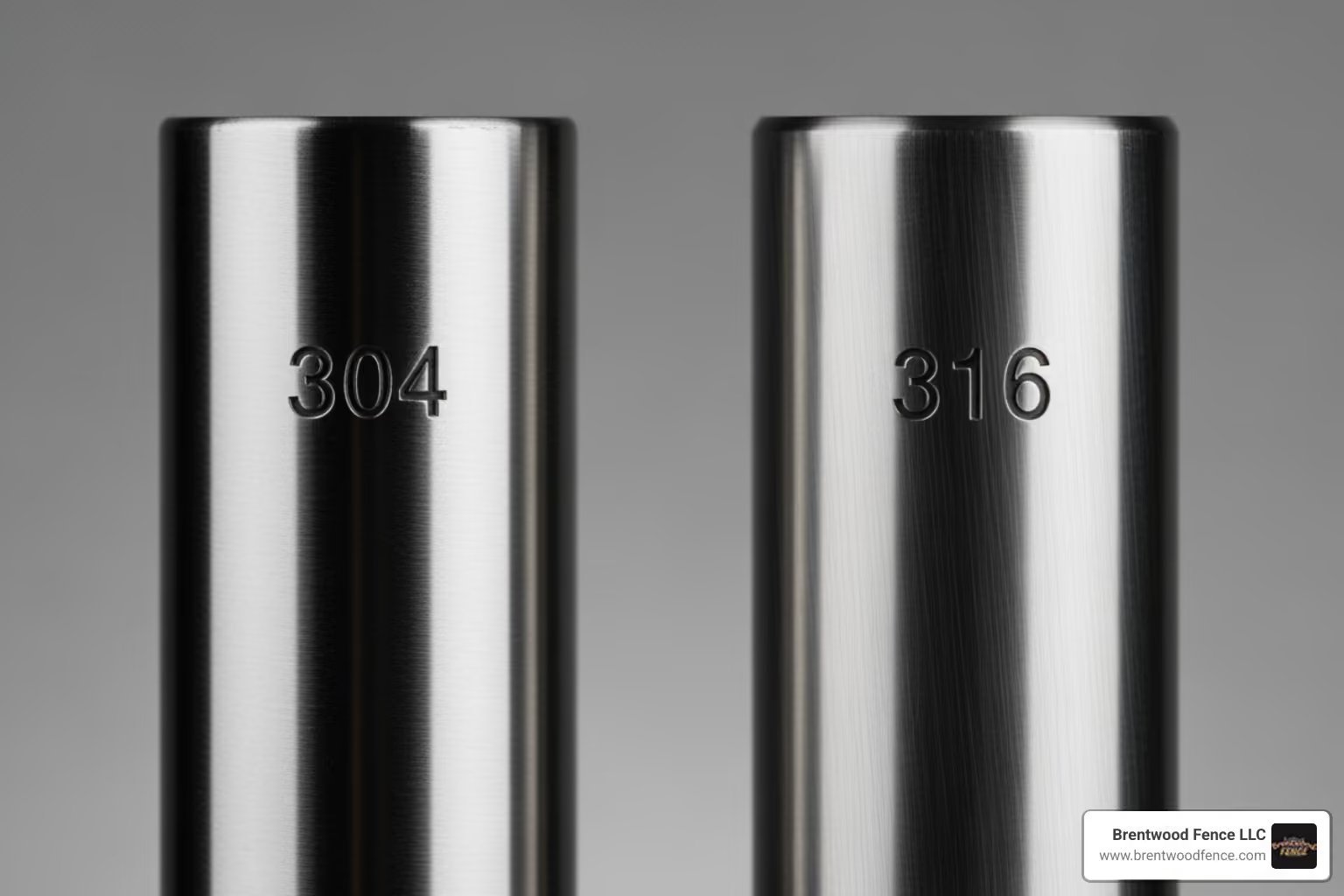
Grade 304 and Grade 316 are the two primary options, each suited for different situations due to their chemical makeup.
Grade 304 is the standard for stainless steel, often called "18/8" (18% chromium, 8% nickel). It offers excellent rust resistance and durability for most outdoor environments. For properties away from the coast or harsh chemicals, Grade 304 is a cost-effective choice that handles New England's rain, snow, and humidity with ease, balancing performance and value.
Grade 316, or "marine grade," adds molybdenum to its composition. This dramatically boosts resistance to chlorides from salt water, road salt, and chemicals, preventing the pitting corrosion that destroys other metals. For coastal properties (like those from Portsmouth to Cape Cod), areas with heavy road salt, or industrial sites, Grade 316 is essential for long-term performance despite its higher upfront cost.
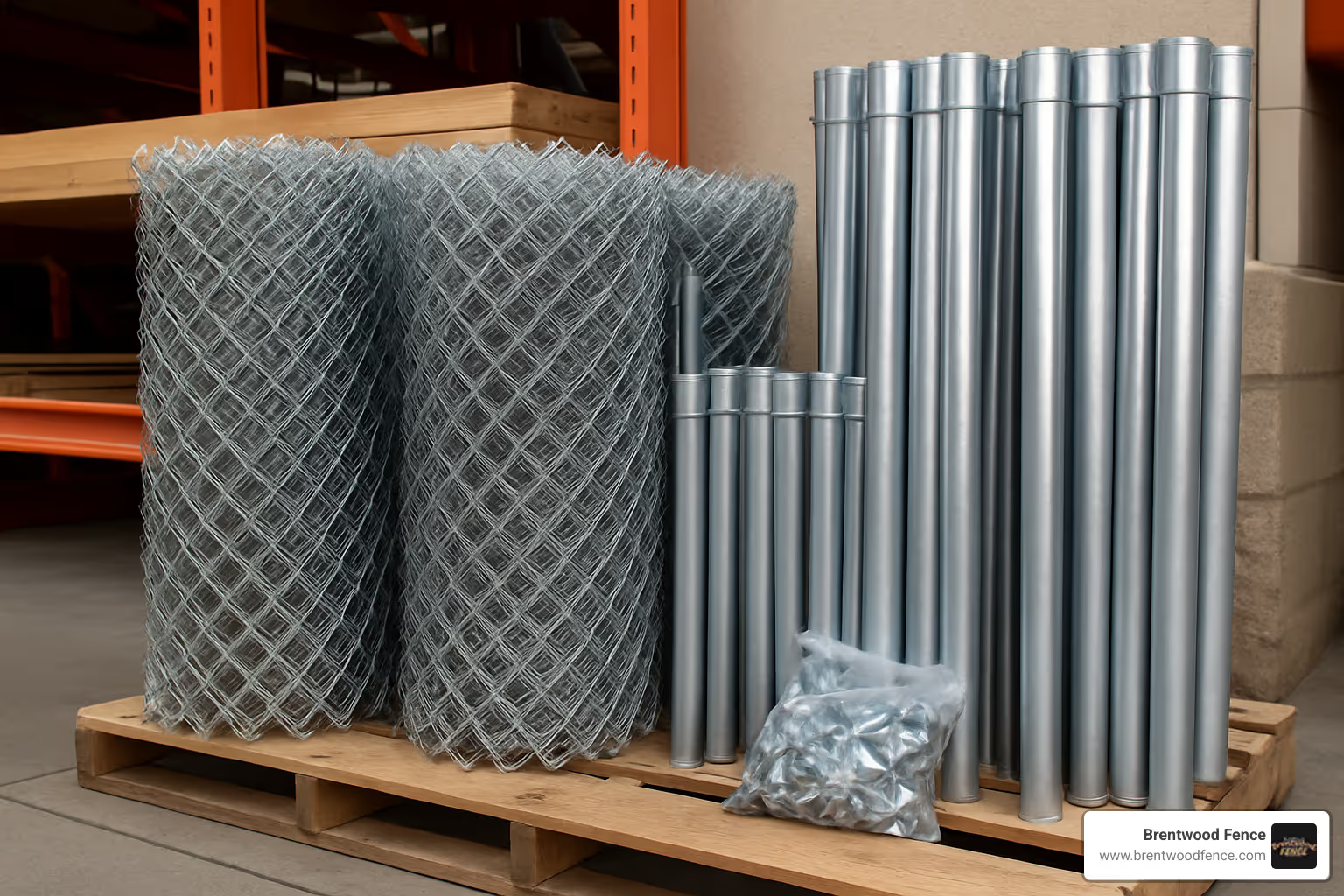
Beyond the grade, other specifications like wire gauge, mesh size, and selvage affect your stainless steel chain link fence's strength, security, and function.
Wire gauge indicates wire thickness—a lower number means a thicker, stronger wire (e.g., 9-gauge is thicker than 11-gauge). For heavy-duty or high-security applications, a thicker 9-gauge wire is recommended for its impact resistance. Standard applications are often fine with 11-gauge. Diameters typically range from 2mm to 4mm.
Mesh size is the dimension of the diamond-shaped openings. A standard 2-inch mesh is common, but smaller sizes (e.g., 1-inch or 1/2-inch) increase security by making climbing difficult and preventing small animals from passing through. Tighter mesh is ideal for high-security sites and pool enclosures.
Selvage refers to the finish on the top and bottom edges of the fence.
Understanding these specifications helps us design a fence that meets your exact security and safety needs. For guidance on selecting the right fence height for your application, check out our resource on chain link fence heights nh ma me.
A stainless steel chain link fence is the ideal choice for demanding environments where ordinary fencing fails. Its long-term performance in New England's climate makes it a worthwhile investment, especially for critical applications.
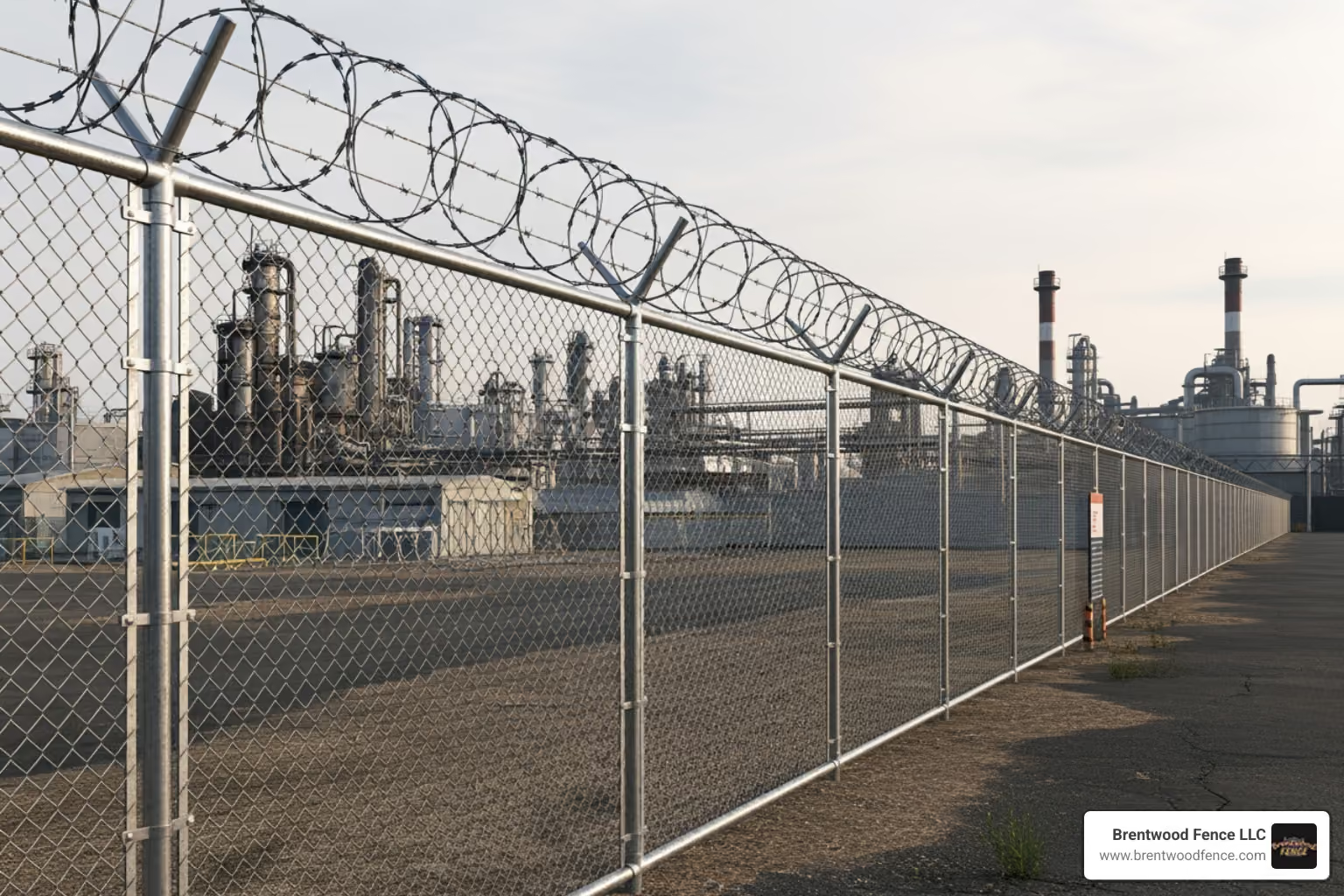
For critical infrastructure, coastal properties, and facilities with valuable assets or large animals, a stainless steel chain link fence provides essential reliability. It's not overkill; it's smart planning. For detailed specifications on high-security fencing standards, you can reference UFGS 32 31 13.53 High-Security Fences (Chain Link and Ornamental) and Gates.
For protecting critical infrastructure and commercial assets in New England, a stainless steel chain link fence provides a formidable physical barrier that deters intruders.
Its high tensile strength makes it difficult to cut, while its tight weave offers few footholds for climbing. This makes it ideal for industrial facilities in Manchester, NH, airports, and railroad yards where security is paramount.
Government facilities and power plants rely on stainless steel chain link fence for its long-term structural integrity. Unlike galvanized steel, it doesn't weaken from corrosion. Paired with robust commercial chain link gates, it creates a truly protective security perimeter.
Salt spray from the ocean actively corrodes most metals, quickly turning galvanized fences along the New Hampshire and Maine coasts into rusted eyesores.
For these environments, Grade 316 stainless steel chain link fence is the only sensible choice. Its molybdenum content defends against the chloride corrosion caused by saltwater, delivering best resilience for coastal properties in Portsmouth, NH, and along the Massachusetts shoreline.
Maritime terminals, ports, docks, and marinas face even harsher conditions. Grade 316 stainless steel chain link fence maintains its integrity and appearance for decades in these settings, making it a wise investment for any coastal property.
For animal care facilities, from rescues in Derry, NH, to professional zoos, safety is the top priority. A stainless steel chain link fence is an ideal solution for these applications.
The smooth, corrosion-resistant finish is crucial for animal safety, preventing the cuts and scrapes that can occur with rougher or rusted materials. This provides peace of mind for caretakers.
Despite its smooth finish, the material is incredibly strong. A stainless steel chain link fence withstands pressure from large animals without bending or sagging, ensuring reliable containment with fewer repairs.
The open mesh offers excellent visibility for monitoring animals, which is ideal for both caretakers and visitors at educational facilities. This combination of visibility, strength, and durability is a necessity when responsible for animal welfare.
Choosing a fence can be overwhelming. While galvanized, vinyl-coated, and stainless steel chain link fence may look similar, their performance and longevity differ significantly, especially in New England's harsh weather. Here’s how stainless steel chain link fence compares to common alternatives, helping you make an informed, long-term decision.
It's a smart investment for property owners who prioritize enduring quality and performance over short-term savings. For a broader look at chain link options in our region, explore our guide on chain link fencing nh ma me.
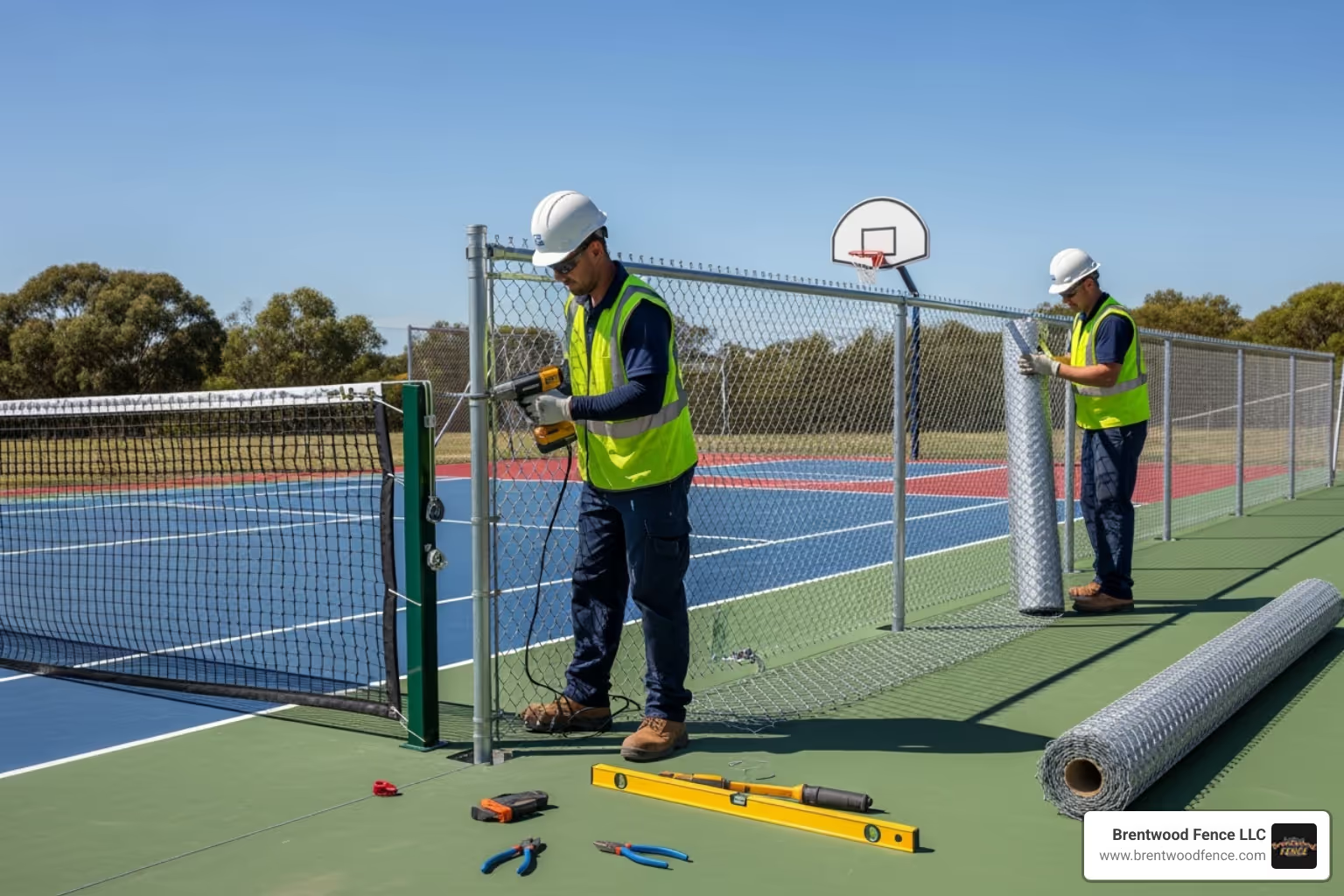
Even the best materials won't perform without correct installation. For a stainless steel chain link fence, professional installation is essential to ensure your investment delivers decades of reliable service.
For a fence designed to last 50+ years, every detail matters, from post depth to fabric tension. Experienced professionals who understand the unique requirements of stainless steel chain link fence systems are crucial for a successful installation that can withstand New England's winters. For expert guidance on installation in our region, explore our services for metal chain link fence install nh ma me.
Properly installing a stainless steel chain link fence requires craftsmanship to match the material's quality, ensuring the entire system performs as expected.
The bottom line? Professional installation transforms excellent materials into an exceptional fence system.
If you're tired of constant fence maintenance like scraping rust and painting, you'll appreciate a stainless steel chain link fence. It's a true 'set-it-and-forget-it' solution.
With proper installation, a stainless steel chain link fence can last 50 years or more. This is significantly longer than galvanized (10-20 years) or vinyl-coated (15-25 years) options, making it a compelling choice when considering long-term replacement costs.
Cleaning your stainless steel fence is simple. An occasional wash with mild soap and water is all that's needed to remove dust or pollen. You will never need to paint or re-coat a stainless steel fence, as its passive oxide layer provides automatic protection.
You may occasionally notice "tea staining," a harmless brownish discoloration common in humid climates. This is purely cosmetic, not corrosion, and can be removed with simple cleaning if desired.
A stainless steel chain link fence offers freedom from constant maintenance and worry, allowing you to invest your time and money elsewhere. It's a promise of durability that holds true for decades.
Property owners across New England often ask about stainless steel chain link fence. As it's a premium investment in your property's security and value, it's natural to have questions. Here are answers to the most common ones.
Yes, for the right applications, it is absolutely worth the cost. While the upfront price of a stainless steel chain link fence is higher than galvanized or vinyl options, it's a long-term investment in your property.
By choosing stainless steel, you avoid future costs and hassles like rust, peeling coatings, and premature replacement. The savings on maintenance and replacement over the fence's lifetime often offset the initial price difference.
This is especially true for harsh environments like coastal properties in Portsmouth, NH, or industrial sites in Manchester, NH. For high-security applications where failure isn't an option, its superior performance and reliability provide peace of mind.
A stainless steel chain link fence earns its reputation for longevity. With proper installation and the correct grade, these fences commonly last 50 years or more with minimal maintenance.
Lifespan varies by grade and environment. Grade 304 is excellent for most settings, while Grade 316 is essential for harsh coastal conditions. This is a dramatic difference compared to galvanized (10-20 years) or vinyl-coated (15-25 years) fences.
When we install a stainless steel chain link fence, we're installing something that will likely outlast the buildings it protects. It's truly an enduring solution.
Absolutely. While often used for commercial sites, a stainless steel chain link fence is a fantastic choice for residential applications, especially for homeowners who want a premium, long-lasting solution.
It's an especially smart choice for coastal homes in New England. A Grade 316 stainless steel fence resists salt spray, maintaining its appearance and integrity for years, unlike traditional fences that quickly corrode.
Pool enclosures are another excellent use. A stainless steel chain link fence meets local safety codes while providing a sleek, modern look that won't rust, fade, or crack. It's secure, attractive, and low maintenance.
For high-value properties, stainless steel delivers top-tier security and durability with a modern look that lasts for decades with minimal effort. It's the perfect solution for homeowners tired of dealing with failing fences in New England's weather.
As we've explored, a stainless steel chain link fence stands apart due to its exceptional strength, self-healing corrosion resistance, and decades-long lifespan. With grades like 304 and 316 suited for specific challenges across New Hampshire, Massachusetts, and Maine, it's a versatile solution for everything from high-security sites to coastal homes.
Choosing a stainless steel chain link fence is an investment in security and peace of mind. While the upfront cost is higher, its long-term value is undeniable when you factor in decades of reliable service without the need for rust repairs or painting. This is especially true in our region's demanding climate.
For projects where security and durability are non-negotiable, a stainless steel chain link fence is the definitive choice. At Brentwood Fence LLC, we know a fence is only as good as its installation. Our expertise ensures your fence is installed with precision using compatible hardware and proper techniques, creating a barrier that will last for generations.
Ready to invest in a fence that truly lasts? Contact us for professional chain link fencing installation services and let's discuss how a stainless steel chain link fence can meet your specific needs. We're here to help you make the smart choice for your property's future.
Copyright 2022 Brentwood Fence | All Rights Reserved | Sitemap | Website by Plumb Development a Digital Marketing Agency