Blog Content

24
Nov
2025
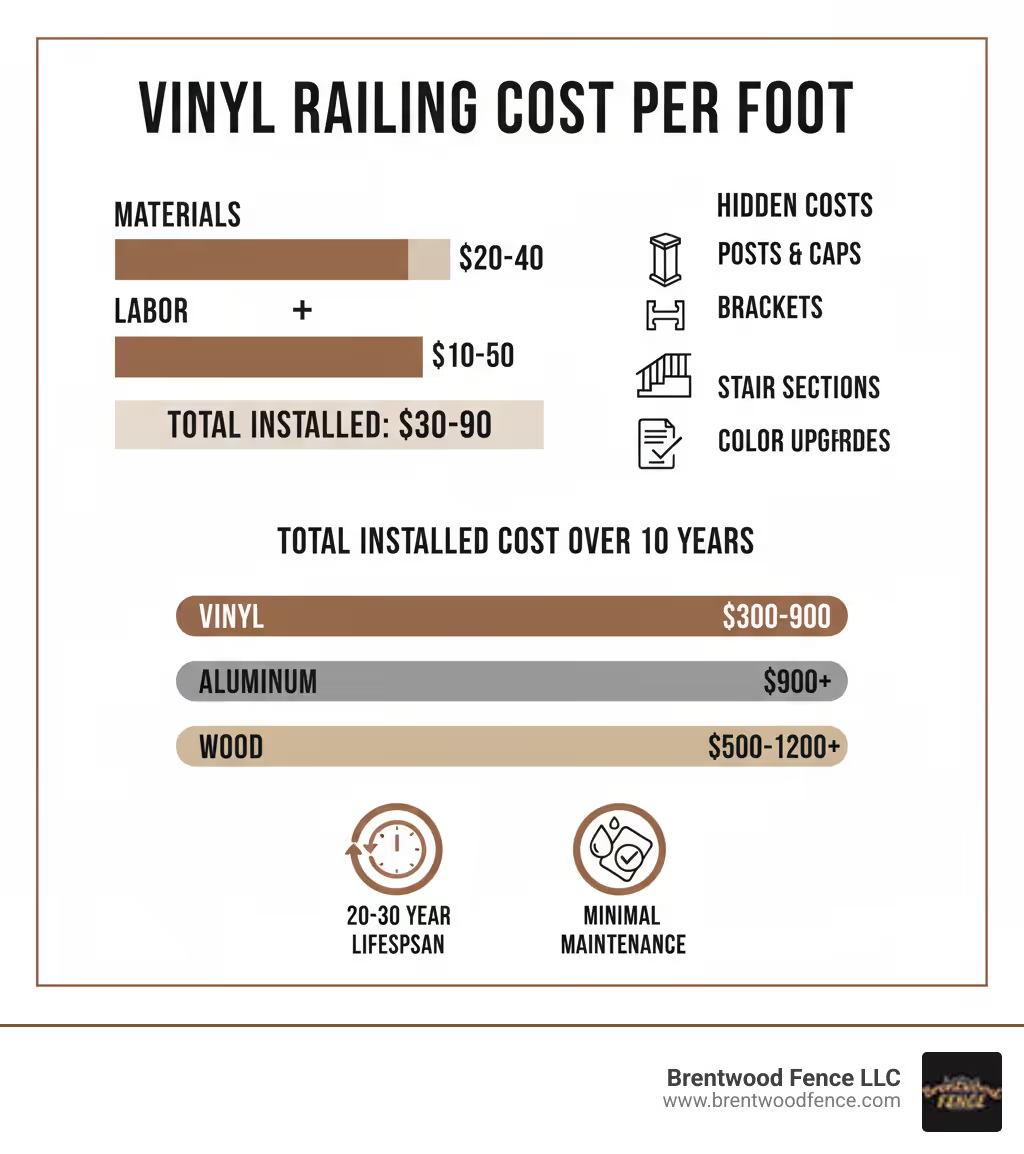
Vinyl railing price per foot ranges from $20 to $40 per linear foot for materials alone, with deluxe styles reaching $65 to $87 per foot. When you add professional installation labor—typically $10 to $50 per linear foot—the total installed cost averages $30 to $90 per linear foot.
Quick Price Breakdown:
When planning a deck or porch project, the sticker price is just a starting point. Brackets, balusters, stair sections, posts, caps, and permits all add to the final cost. However, vinyl consistently costs less than aluminum (which starts around $90 per foot installed) and lasts 20 to 30 years with almost no maintenance. This guide will break down every factor affecting vinyl railing price per foot, helping you budget accurately and decide between DIY and professional fence installation.
Easy vinyl railing price per foot glossary:
When shopping for vinyl railing, you'll find the vinyl railing price per foot can swing dramatically. A handful of key factors determine the final cost, so understanding them helps you spot a genuine deal.
Material grade is crucial. Higher-grade PVC has thicker walls and better UV inhibitors to prevent warping or yellowing. This quality can add $10 to $15 per foot but ensures your railing lasts for decades, not just a few years.
Kit length and configuration affect the price. Longer kits (8-ft or 10-ft) often have a lower per-foot cost than 6-foot sections. Stair railing kits are always more expensive than level sections due to their adjustable hardware and complexity.
Color upgrades are a major factor. Classic white is the most economical. Tan, clay, or specialty colors like gray can add $10 to $25 per foot, as they require additional pigments and manufacturing steps.
Brackets, balusters, and infill aren't always included in the base price. Some kits sell balusters separately, while decorative options like glass panels or aluminum spindles can double your material cost. Always confirm what's in the box.
Regional shipping and availability can add hundreds in freight costs if you choose a style not locally available in New Hampshire, Massachusetts, or Maine.
Building-code requirements dictate railing height, baluster spacing, and structural strength. Meeting these codes might require reinforced vinyl or extra posts, all of which impact your final cost.
For 2025, budget a baseline of $20 to $40 per linear foot for standard white vinyl railing materials. Deluxe colors or intricate styles climb to $65 per linear foot or higher, with some premium options reaching $87 per foot. Price often correlates with warranty length; a longer warranty (20-30 years or lifetime) typically signals higher-quality materials worth the extra upfront cost for long-term peace of mind.
The advertised material cost is just the start. Be aware of these essential, often-separate expenses:
Choosing a railing material impacts your budget, free time, and long-term maintenance costs. Here’s how the vinyl railing price per foot compares to other popular options over the life of the investment.
Initially, vinyl materials run $20 to $40 per linear foot for white and up to $60+ for colors. This is comparable to pressure-treated wood ($20-$50) and composite ($15-$50). Aluminum is typically pricier upfront at $40 to $70 per foot.
However, the real story unfolds over time. Wood requires 8-16 hours of annual maintenance (sanding, staining) and lasts 15-20 years. In contrast, vinyl, aluminum, and composite offer 25+ year lifespans with only 1-4 hours of cleaning per year. Vinyl is completely rot-proof and never needs repainting.
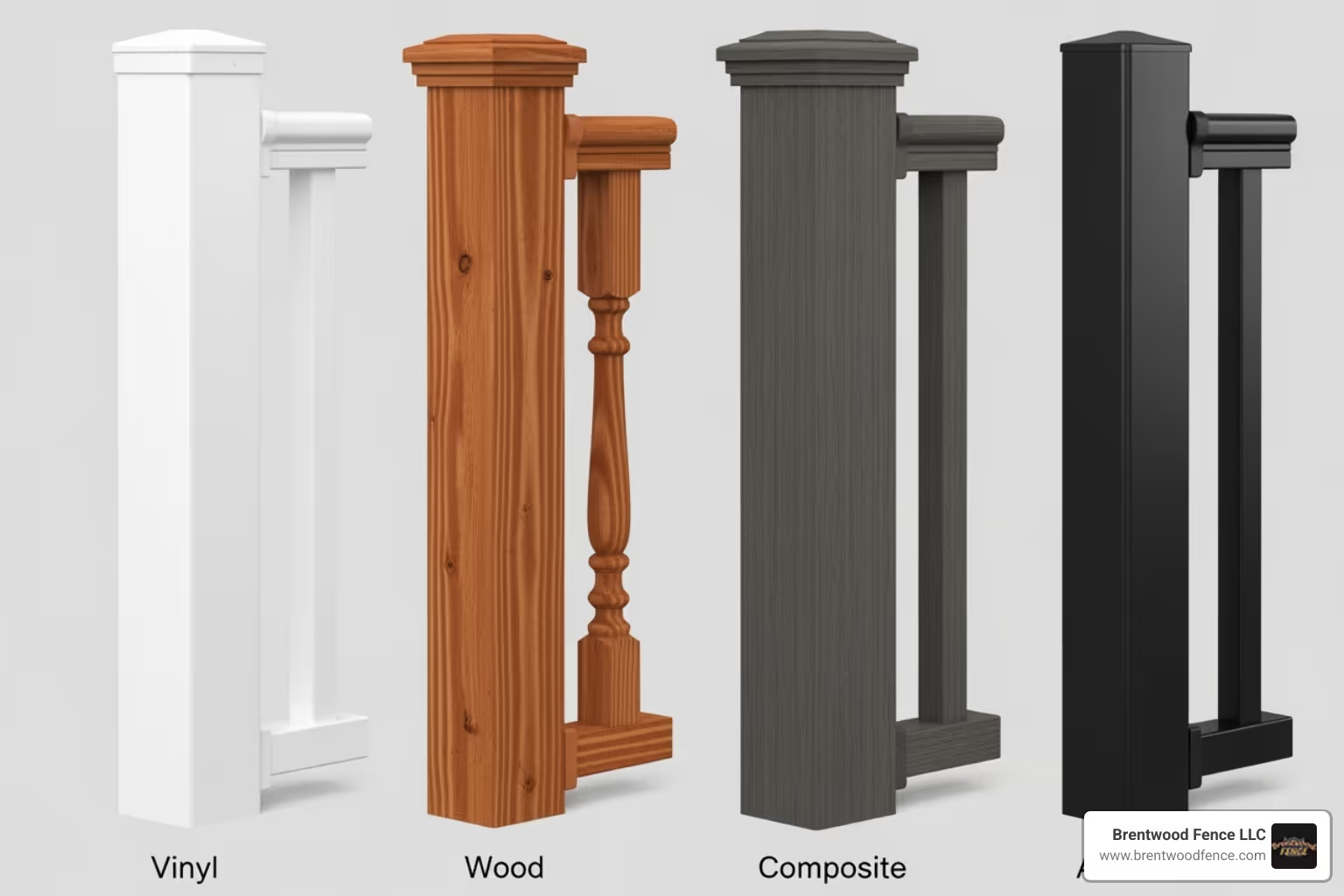
When you factor in maintenance over a decade, vinyl's total cost is highly competitive. For more details, see the latest research on deck material costs.
The real value of vinyl railing appears year after year. Homeowners in New Hampshire, Massachusetts, and Maine choose it to enjoy their decks, not work on them.
Turning your vision for a new railing into a workable budget starts with accurate numbers. First, use a tape measure to find the linear footage of your deck or porch, measuring stair runs separately since they require more expensive, specialized kits.
Online tools like the Trex deck cost calculator can provide a rough material estimate, but they don't include labor. Professional installation typically adds $10 to $50 per linear foot. This cost varies based on project complexity and location, with labor rates in Portsmouth, NH, or Boston suburbs often being higher than in more rural areas of New England.
For a precise quote custom to your property, we offer a Free Fencing Installation Estimate. We'll assess your site and provide numbers you can count on.
Use this simple formula to get a close estimate of your total installed vinyl railing price per foot:
Ballpark Installed Price Per Foot = (Kit Price / Kit Length) + Hardware Cost Per Foot + Labor Cost Per Foot
For example, a 6-foot kit at $180 is $30/ft for materials. Add posts, caps, and brackets, which might average $6-$10 per foot across the project. Then, add mid-range labor cost of $25-$30 per foot.
Your total comes to: $30 (materials) + $8 (hardware) + $27.50 (labor) = $65.50 per linear foot installed. This working number helps you plan your budget effectively.
Let's apply this to a 100-foot deck project with one set of stairs:
Total Project Cost: A complete professional installation for a 100-foot vinyl railing will likely land between $3,500 and $9,000, with most projects in the $5,000 to $7,000 range. This investment offers an 80% return on investment and 20-30 years of maintenance-free enjoyment, making it a smarter long-term choice than wood.
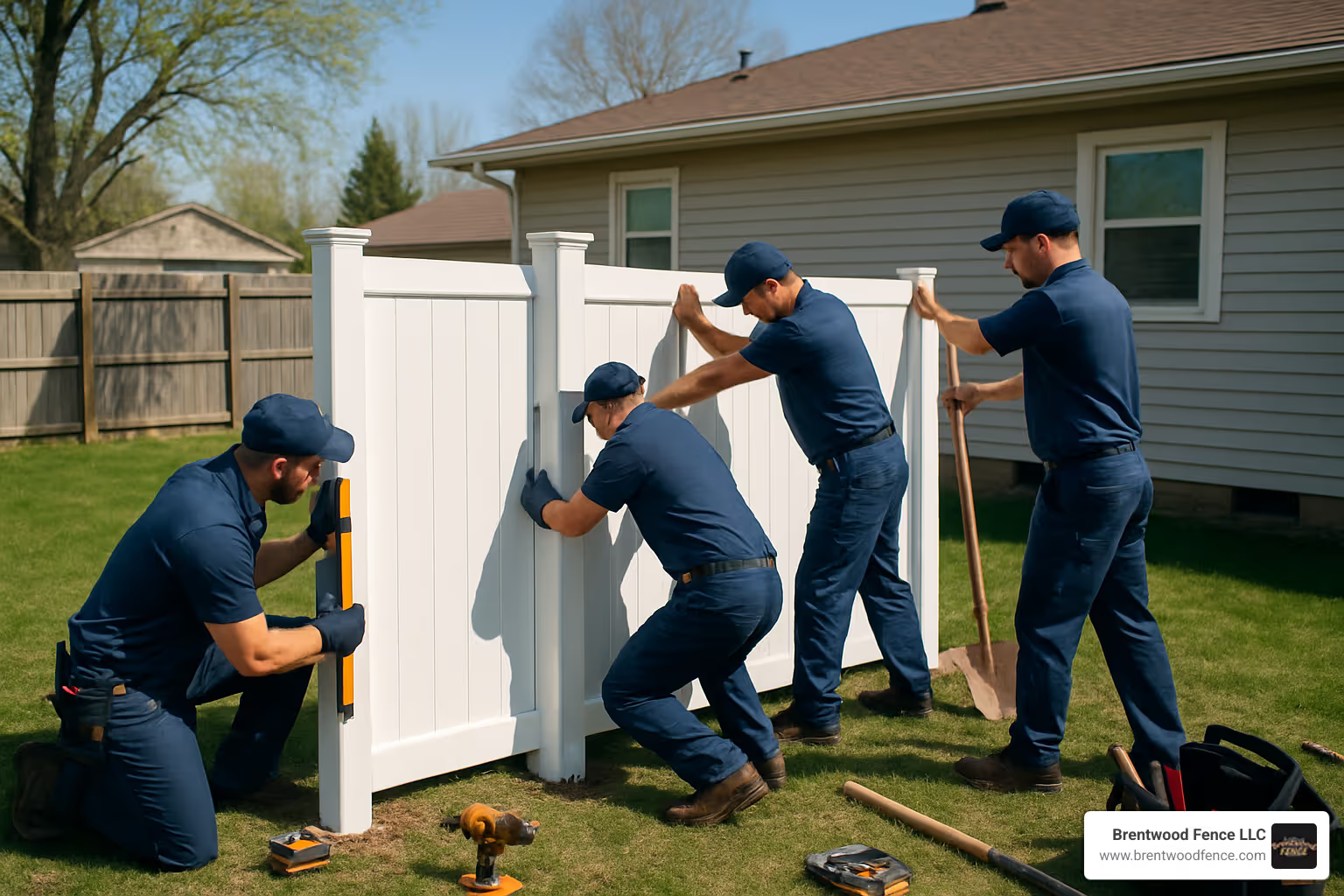
When installing vinyl railing, you can do it yourself or hire a professional. While DIY seems to save money by cutting labor costs, it's a choice that requires careful consideration. Installing railing demands precision, the right tools, and knowledge of safety codes.
Hiring a professional is an investment in expertise, efficiency, and peace of mind. A mistake in DIY installation can be a safety hazard, and many manufacturers' warranties are voided if the product isn't installed by a qualified professional. Professionals are also versed in local building codes across New Hampshire, Massachusetts, and Maine, ensuring your project passes inspection.
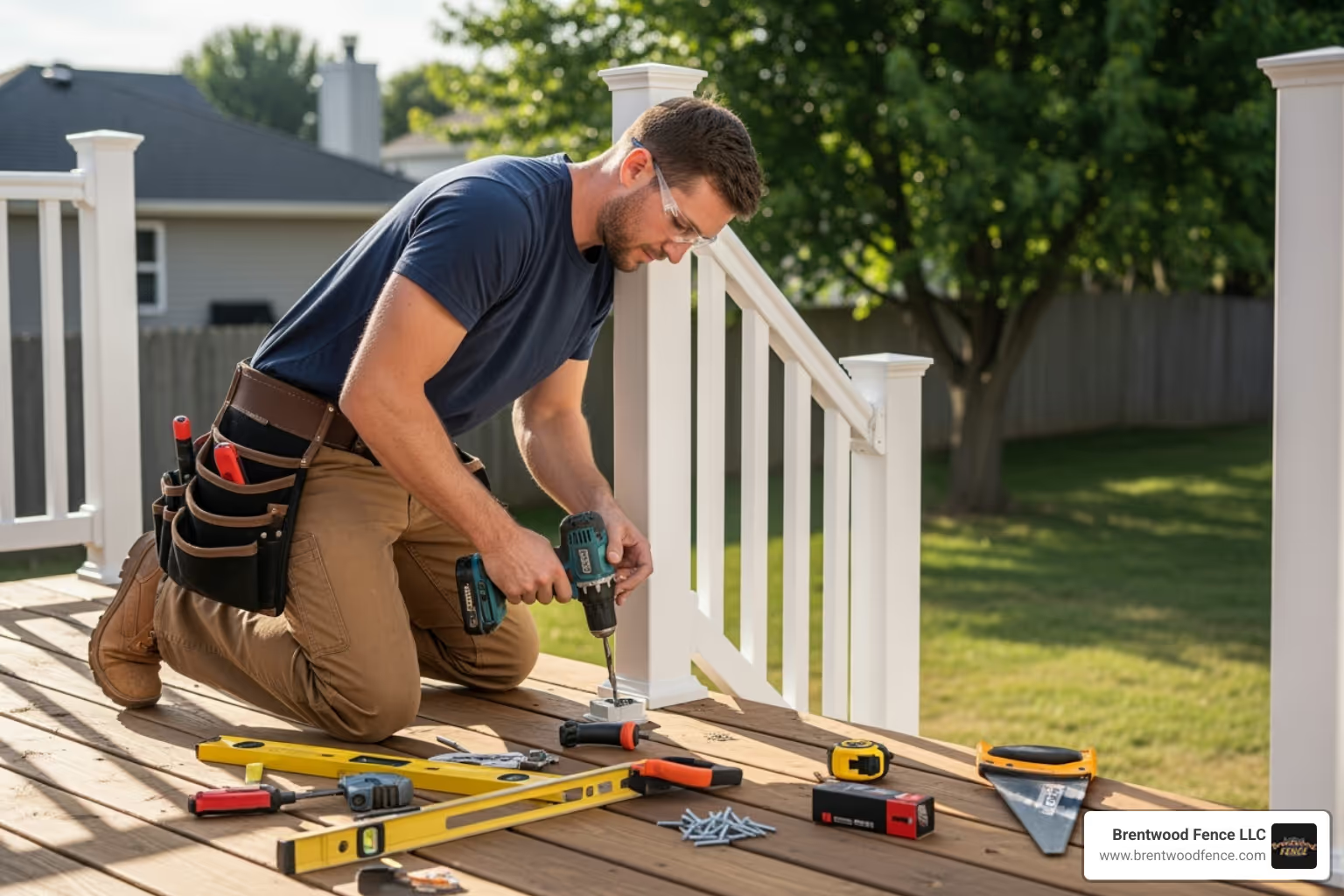
For a safe, compliant, and long-lasting installation, professional service is the smart choice. Our team at Brentwood Fence LLC specializes in Vinyl Fencing Installation Services and can manage your project with expertise.
DIY is only advisable if you have extensive construction experience, own specialized tools (miter saw, drill, level), and have ample time. You must also be confident in your ability to follow local building codes and confirm that a DIY installation won't void the product warranty.
Hire a professional if you lack construction experience, tools, or time. Railings are critical safety features, and the risk of improper installation is high. Professionals are insured, warranty their work, and handle all the permitting and inspection paperwork. They are experts at complex installations involving stairs or tricky angles, providing a level of safety and quality that justifies the labor cost.
Beyond materials and labor, your total vinyl railing price per foot will include other administrative costs.
When you calculate the vinyl railing price per foot, you're investing in decades of easy living. While wood requires constant upkeep, vinyl's value is in its simplicity and longevity.
A routine wash with mild dish soap and water once or twice a year is all it takes to keep your railing looking new. This simple task removes pollen and grime, preventing buildup. Quality vinyl contains built-in UV inhibitors that act as an invisible shield, preventing the yellowing and fading that plague lesser materials. This protection is part of the vinyl itself, not a coating that wears off.
To ensure your railing lasts its full 20- to 30-year lifespan, perform a quick hardware check annually. Tightening any loose screws or brackets caused by seasonal expansion and contraction takes only a few minutes and keeps your railing safe and secure. Also, avoid harsh solvents or abrasive cleaners, which can damage the surface.
This low-maintenance reality, combined with a typical 80% ROI upon resale, makes vinyl a smart investment. Buyers value a beautiful, durable feature that won't demand their time or money, proving the upfront cost was well worth it.

Most vinyl railing is warrantied for 20 to 30 years. To get the most out of your investment, follow these simple steps:
Following these steps ensures your railing will deliver decades of performance without the need for repainting or replacing rotten sections. It's a clean, safe, and beautiful solution that proves the initial vinyl railing price per foot was money well spent.
Budgeting for a new railing project brings up many questions. Here are straight answers to the most common ones we hear about vinyl railing price per foot.
The lowest vinyl railing price per foot for materials starts around $20 to $30. This price is for basic, standard white vinyl kits. However, this does not include essential components like posts ($20-$120 each), post caps, or mounting brackets, which are sold separately. When you add professional installation, the total installed cost for even the cheapest materials will typically be in the $30 to $50 per linear foot range. Always factor in these extras to avoid budget surprises.
Professional fence installation typically adds $10 to $50 per linear foot to your material costs. This wide range is driven by your geographic location and project complexity. Labor rates in New Hampshire, Massachusetts, and Maine vary, and a complex job with stairs and multiple corners will cost more than a simple, straight run. If you're replacing an old railing, removal adds another $10 to $15 per linear foot. For most standard projects, budgeting $25 to $30 per linear foot for labor is a realistic estimate.
Yes, color and style can dramatically change the vinyl railing price per foot. Classic white is the most economical option. Choosing tan, clay, or other designer colors can add $10 to $20 per linear foot for materials, as they require specialty pigments. Premium styles—such as those with decorative spindles, T-rail designs, or mixed materials like aluminum or glass—can easily increase the material cost from a $30/ft baseline to $60, $70, or even $87 per linear foot. These higher-end options often come with better quality, thicker walls, and longer warranties, justifying the higher upfront investment.
Understanding the vinyl railing price per foot means looking beyond the initial material cost. While materials start at $20-$40 per foot, the true value of vinyl is revealed over its 20-30 year lifespan. With virtually no maintenance, you save time and money year after year, making it one of the smartest investments for your home.
That 80% return on investment, long lifespan, and freedom from sanding and staining mean your initial cost is money well spent. For homeowners in Exeter, Portsmouth, and across New Hampshire, Massachusetts, and Maine, vinyl railing delivers best long-term value.
At Brentwood Fence LLC, we understand that every project is unique. We provide one-stop local expertise to help you make the right choice for your home, budget, and lifestyle. From selecting the perfect style to ensuring every detail meets local building codes, we're here to guide you.
Ready to transform your outdoor space with beautiful, durable vinyl railing? Learn more about our professional Vinyl Fencing Installation Services and get in touch today for a personalized quote.

Copyright 2022 Brentwood Fence | All Rights Reserved | Sitemap | Website by Plumb Development a Digital Marketing Agency