Blog Content

5
Dec
2025

When you're researching cost per ft wood fence, you need straight answers. Here are the key numbers to know for 2025:
Wood Fence Cost Per Linear Foot (2025):
The final cost depends on your chosen wood species, fence height, and location. For example, pressure-treated pine costs $15-$30 per foot installed, while cedar is $25-$45, and premium redwood can reach $35-$60 per foot.
Contractors may quote by the panel or hour, but the industry standard is cost per linear foot. Understanding this pricing helps you accurately compare quotes and budget realistically. The per-foot price includes all materials (posts, rails, boards, hardware, concrete) and the skilled labor to build it correctly. Regional factors also play a role; labor rates in New England can be 10-30% above national averages.
Most homeowners spend between $3,000 and $15,000 on a residential fence. Getting clear on costs from the start saves headaches later.
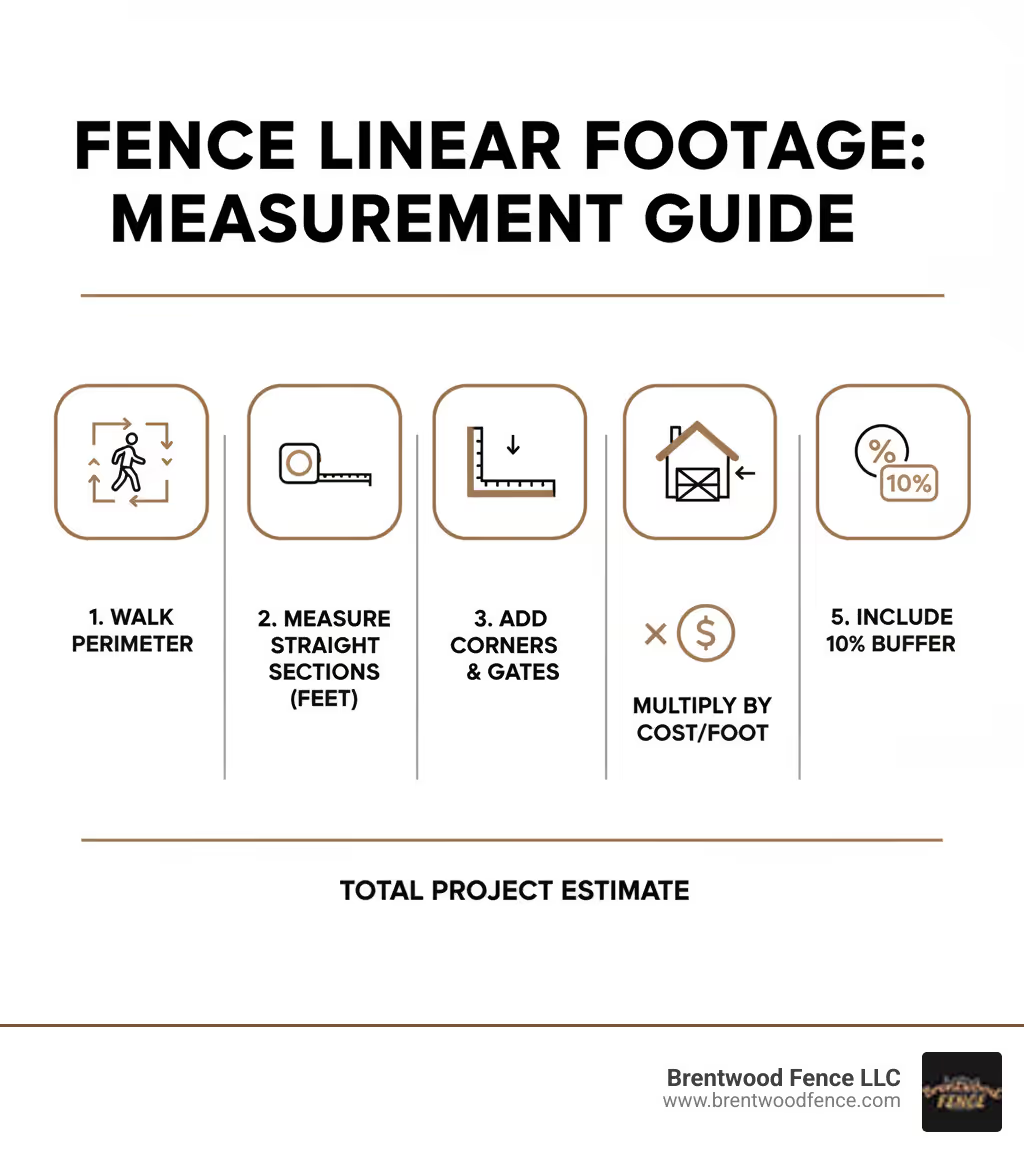
This guide breaks down every factor affecting your wood fence cost per foot, from materials to labor, so you can plan your project with confidence.
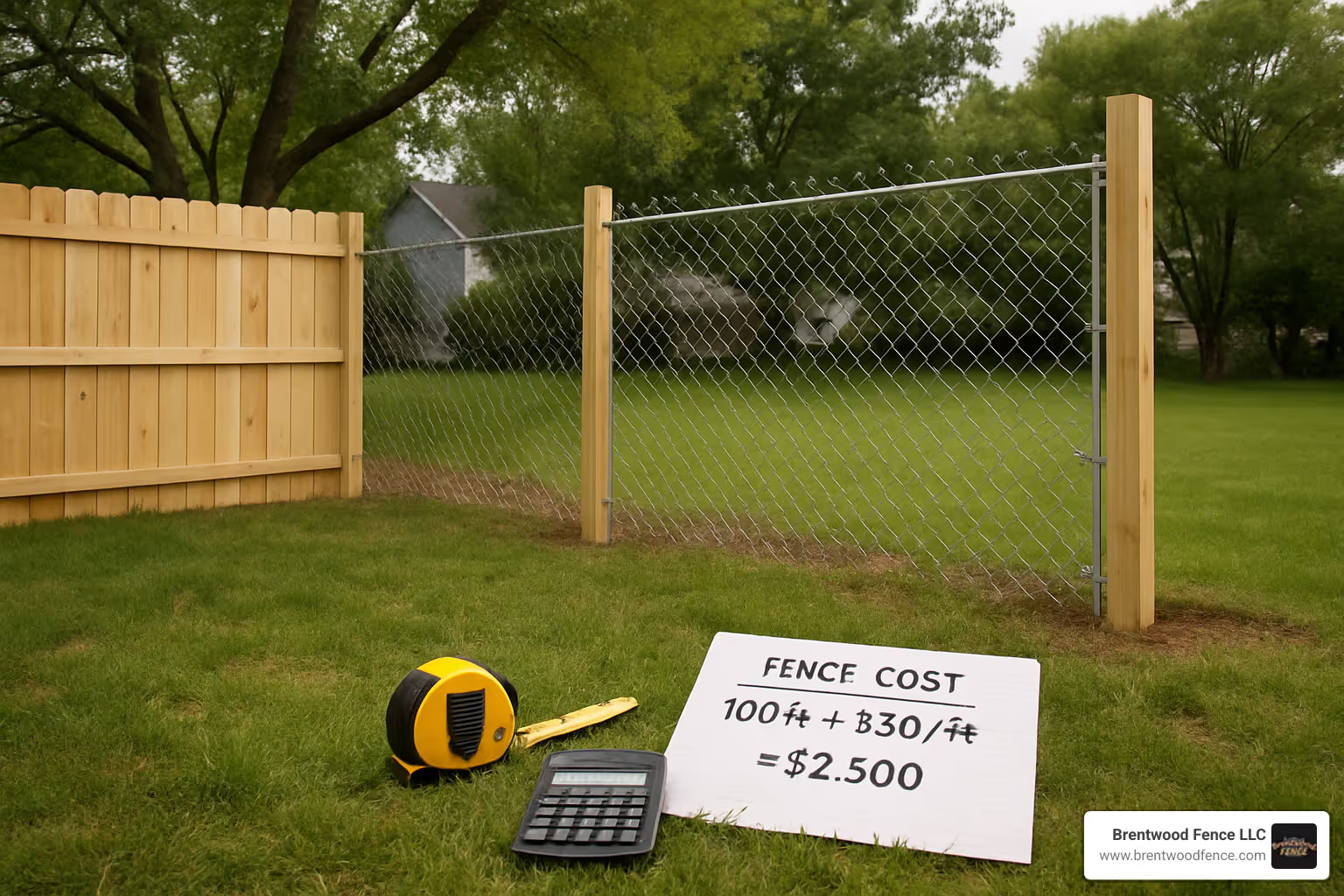
When contractors discuss cost per ft wood fence, they mean the total installed price, including all materials and labor. Nationally, homeowners pay between $20 and $50 per linear foot. For a typical 150-foot backyard fence, this translates to a project cost of $3,000 to $7,500.
This range is a starting point. Your actual price will depend on the wood species, fence height, and your location. Costs in New England—including New Hampshire, Massachusetts, and Maine—tend to be higher due to regional labor rates and material availability.
Pressure-treated pine is the most affordable option, while cedar and redwood command premium prices for their longevity and natural resistance to harsh New England weather. Understanding what drives these costs helps you budget realistically and avoid surprise charges.
For a deeper look at costs in our region, see our guide on wood fence installation costs.
Choosing your fence wood involves balancing budget, quality, and aesthetics.
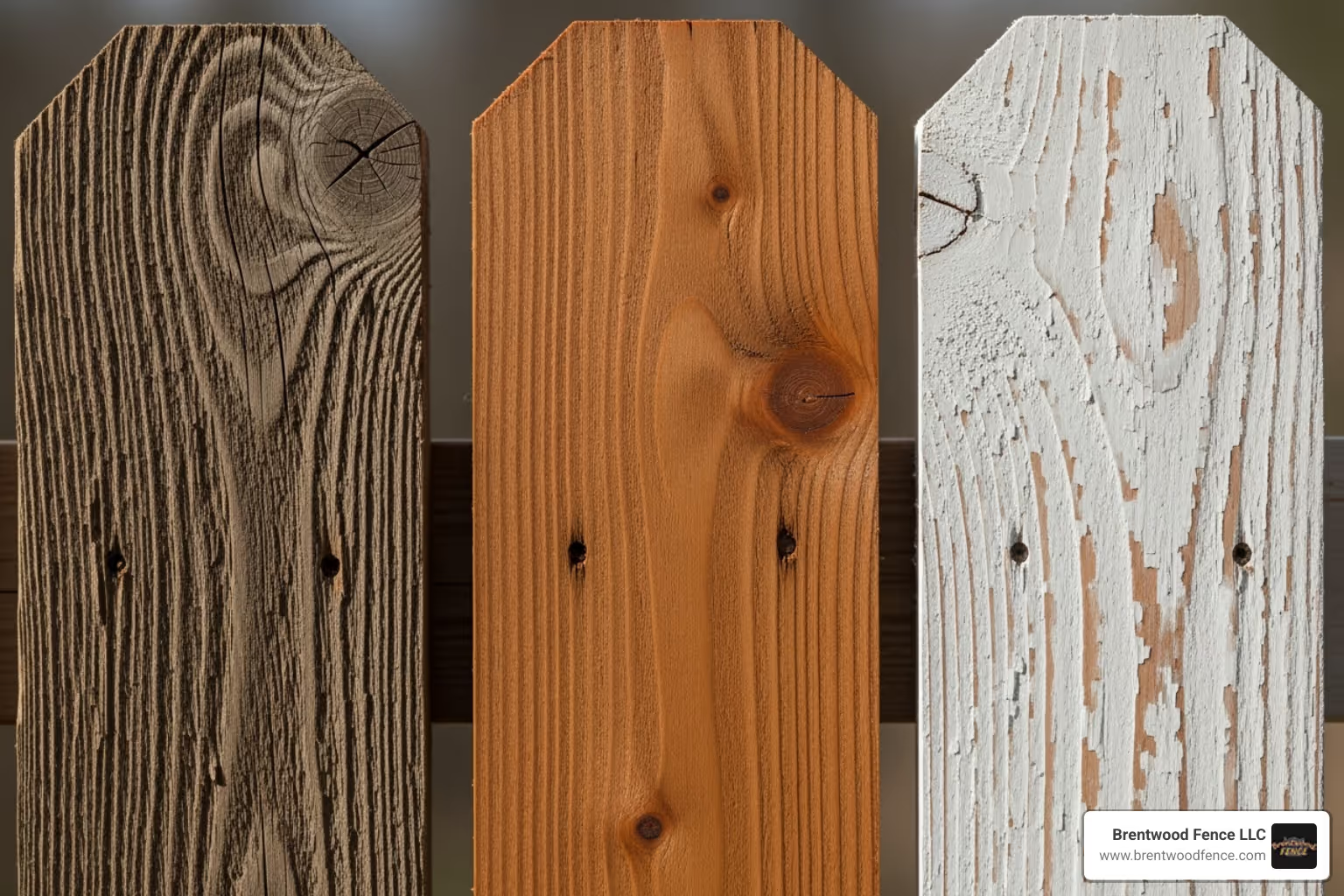
Here’s a breakdown of the three most popular wood types:
Pressure-treated pine is the budget-friendly workhorse. It's chemically treated to resist rot and insects. While its upfront cost per ft wood fence is low, it requires regular sealing or staining every few years to maximize its lifespan.
Western Red Cedar costs more initially but contains natural oils that resist decay and insects. It ages to a beautiful silvery-gray, and its natural resilience is ideal for New England's weather, making it a popular choice that balances affordability and longevity.
Redwood is the premium option, known for its rich color and superior natural resistance to rot and insects. Though its initial cost per ft wood fence is highest, its 30- to 50-year lifespan with minimal maintenance makes it an excellent long-term investment.
Learn more about different wood fence types to see which is right for you.
Your fence investment is typically split evenly between materials and skilled labor.
Materials generally cost $10 to $30 per linear foot, covering posts, rails, boards, hardware, and concrete. Your choice of wood is the primary driver of this cost.
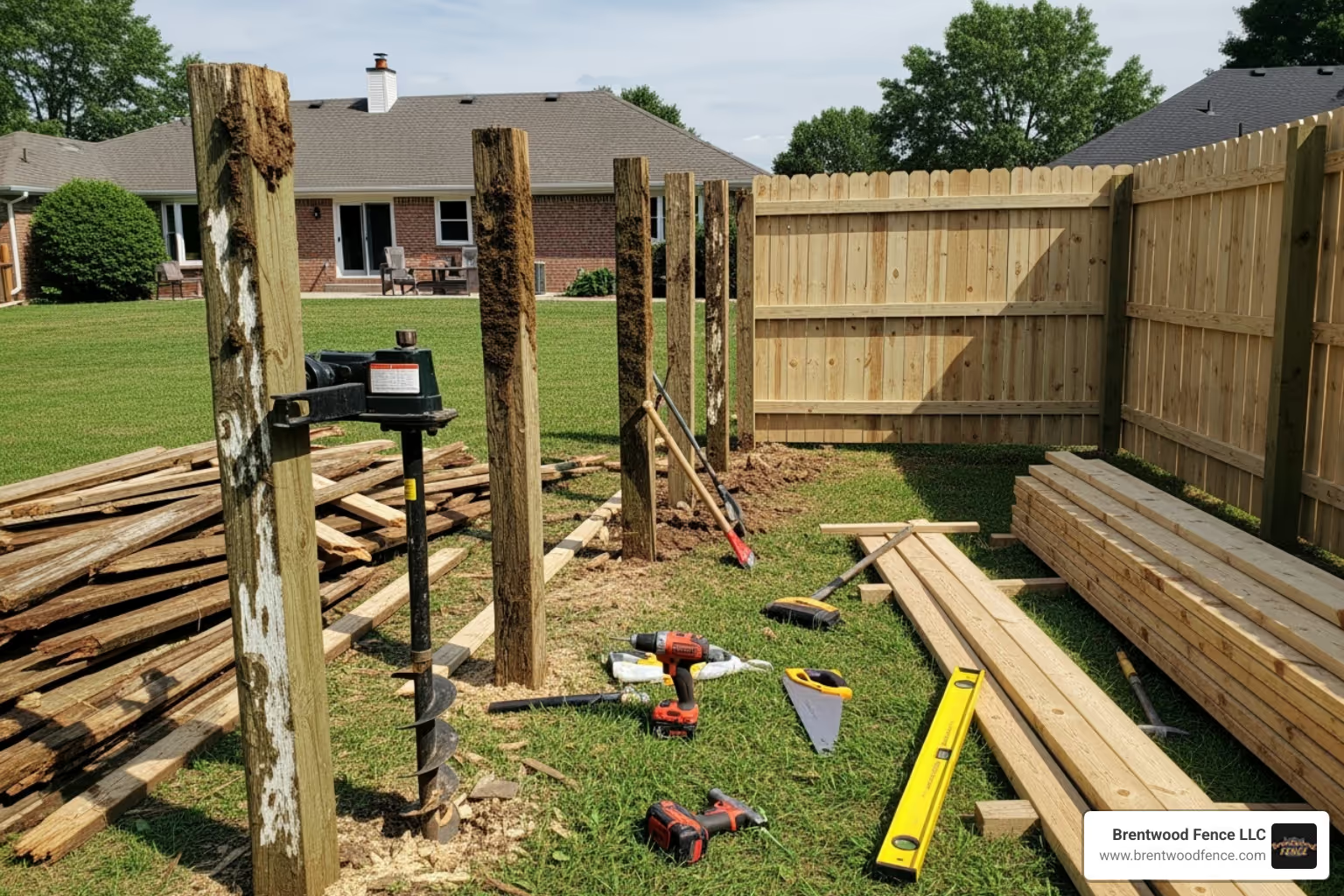
Labor adds another $8 to $23 per linear foot, making up about 50% of the total cost per ft wood fence. This price reflects the skill involved in a professional installation. This includes site preparation, precise layout, and proper post setting—digging below the frost line and anchoring in concrete to withstand New England's freeze-thaw cycles. It also covers fence construction, gate installation, and cleanup. The Bureau of Labor Statistics data on fencer wages reflects the specialized skills required.
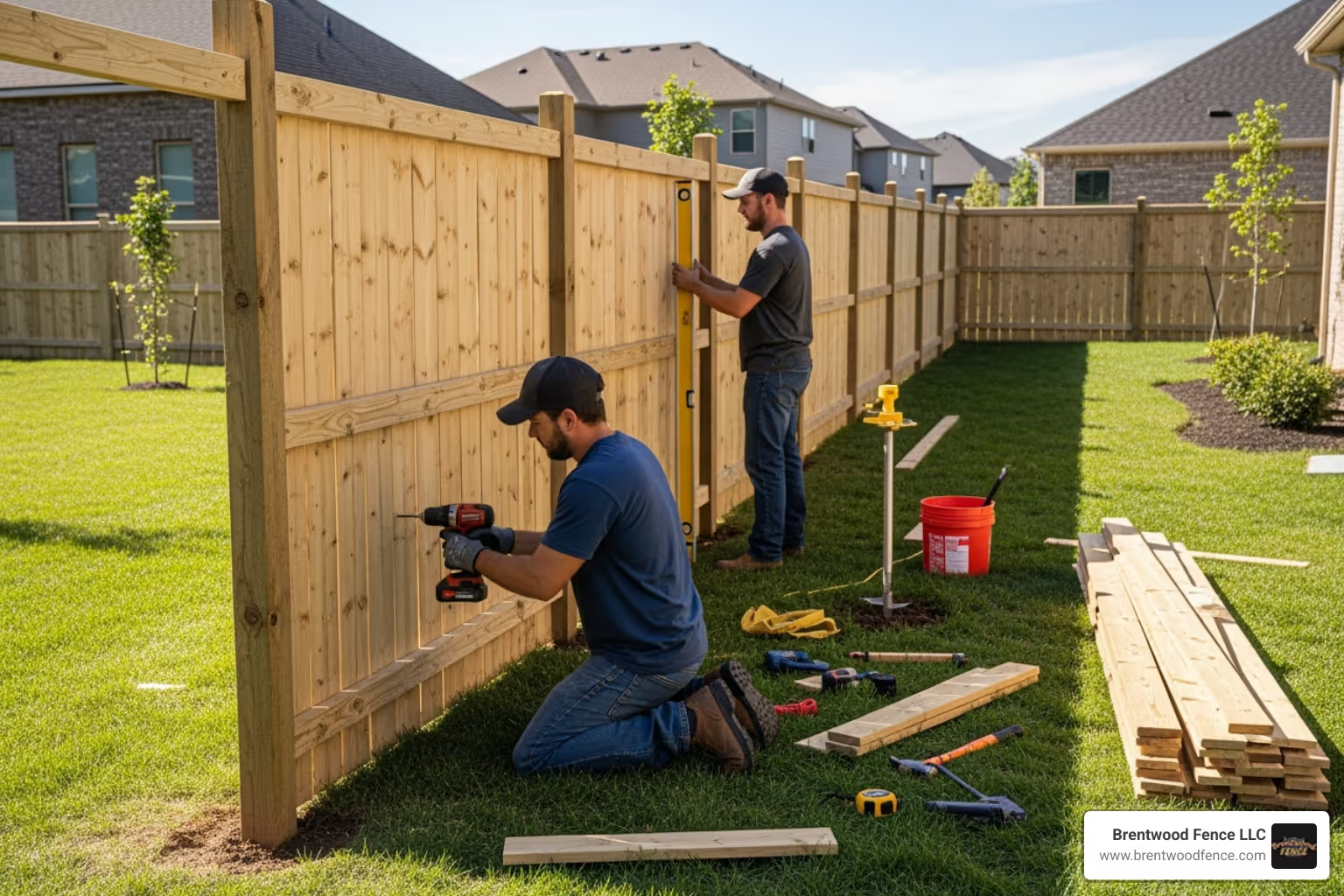
Hiring a professional wood fence installer ensures your fence will withstand local weather and saves you from costly DIY mistakes.
Fence height and style significantly affect your cost per ft wood fence, as taller or more complex designs require more material and labor.
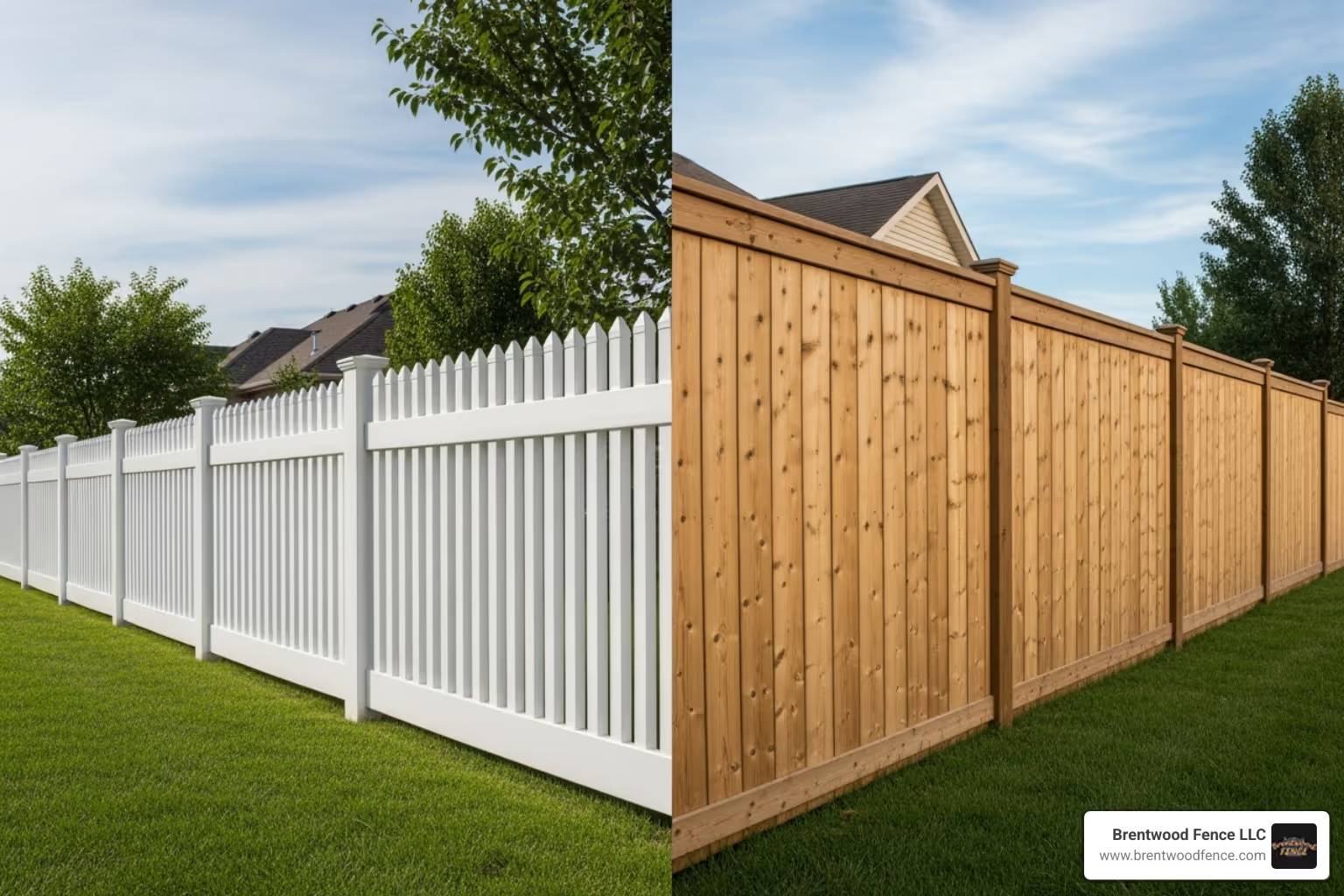
Common heights are 4-foot, 6-foot, and 8-foot. Upgrading from a 6-foot to an 8-foot fence can increase costs by 20-30% due to the need for more materials and structural bracing.
Decorative elements like lattice tops or custom post caps will also add to the material and labor costs.
Several real-world factors beyond a standard rate can affect your final cost per ft wood fence. Understanding them helps prevent budget surprises.
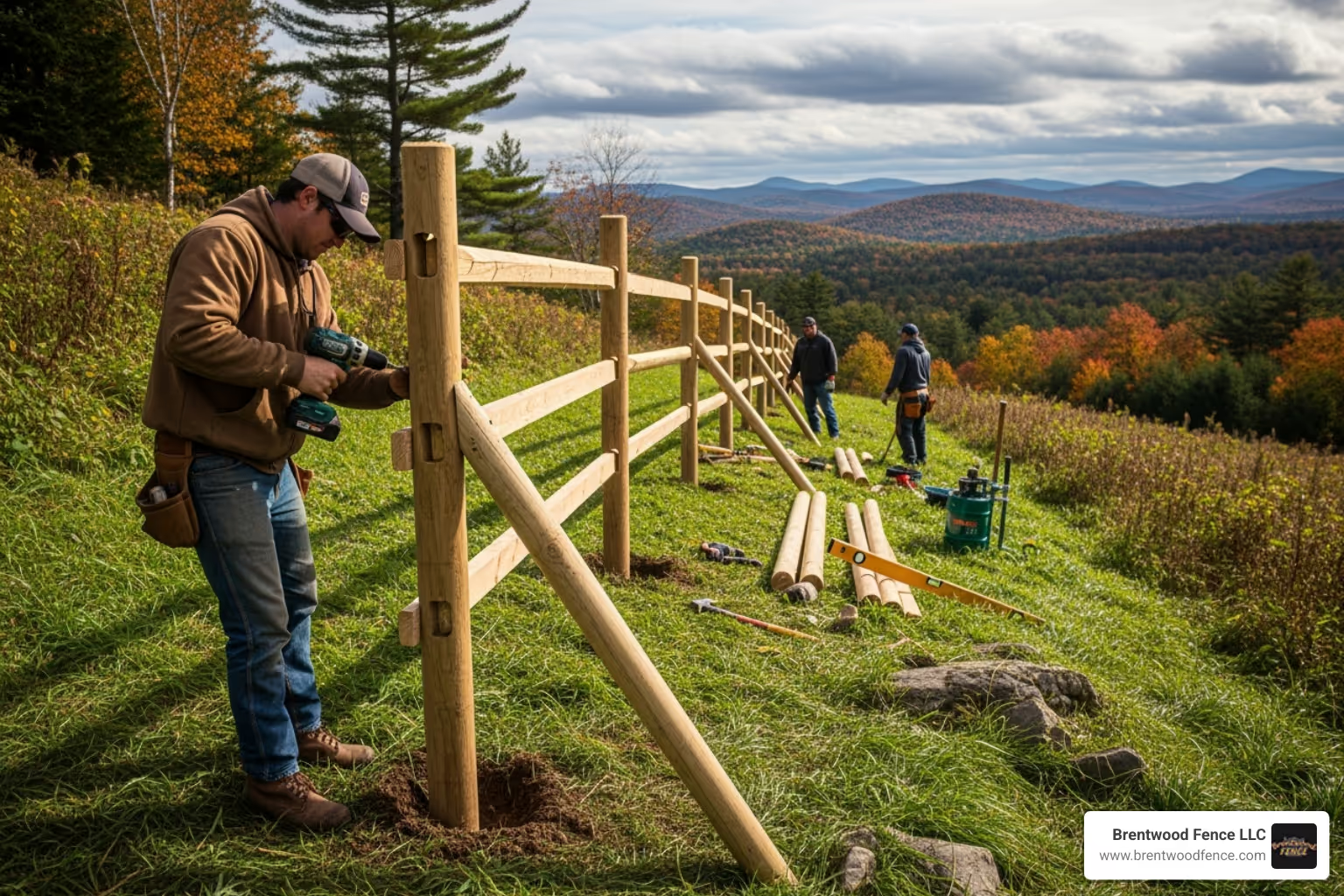
Your project budget needs to account for several extras not included in the base per-foot price.
Handling paperwork before installation is crucial to avoid expensive problems.
A wood fence is more than a boundary; it's a smart investment that adds real value to your home. Instead of focusing only on the cost per ft wood fence, consider the return on investment. A professional installation boosts curb appeal and provides the privacy and security buyers want.
Installation quality is key. While a DIY approach seems cheaper, professional installation pays off in durability and warranty protection, avoiding common issues like leaning posts or warped boards. Our wood fencing installation services focus on this long-term value, creating a lasting asset for your property.
A DIY fence might seem to save money, but there are hidden costs and risks to consider.
A wood fence is an investment that can increase your home's resale value.
Research shows a wood fence can recover 50% to 70% of its installation cost at resale. You get to enjoy the benefits now and recoup a significant portion of the cost later.
Making smart choices can make your project more affordable without sacrificing quality.
Here are straight answers to the most common questions we receive from homeowners.
Pressure-treated pine is the most budget-friendly wood, typically costing $15-$30 per linear foot installed. The trade-off for the lower upfront cost per ft wood fence is higher maintenance. Pine requires sealing or staining every 2-3 years to protect it from New England weather and achieve its 10-20 year lifespan. Spending more upfront on cedar or redwood can often save money and effort over the long term.
A wood fence typically lasts 15 to 30 years, but its lifespan depends on several key factors.
Both heights add value, but a 6-foot privacy fence is the residential standard for good reason. It offers excellent privacy and security for kids and pets, appeals to the broadest range of buyers, and is generally easier to get permitted.
An 8-foot fence offers maximum privacy and some noise reduction but costs 20-30% more. It often requires special permits, may be restricted by HOAs, and can feel imposing in smaller yards.
Unless you have specific needs like buffering highway noise, a professionally installed 6-foot fence offers the best balance of privacy, security, and cost, typically delivering the best return on your investment.
Now you know what really drives the cost per ft wood fence. It’s a combination of material choices, desired longevity, maintenance needs, site conditions, and local labor rates. We've covered the differences between wood types, fence styles, the value of professional installation, and additional costs like gates and permits.
What matters most is getting a clear, detailed estimate from the start. This transparency gives you the confidence to move forward without worrying about surprise charges or unfair pricing.
At Brentwood Fence LLC, our reputation is built on honest communication and quality craftsmanship. We listen to your needs, assess your property, and provide a comprehensive quote that covers every detail. We want you to feel confident in your investment for years to come, knowing your fence will stand strong through New England winters.
Your home deserves a fence that adds beauty, security, and lasting value. Whether you're in Exeter NH, Portsmouth NH, Manchester NH, Concord NH, Derry NH, Dover NH, or Haverhill MA, we're here to help.
Ready to turn your vision into reality? Get a professional quote for your privacy wood fence installation today. Let's build something beautiful together.
Copyright 2022 Brentwood Fence | All Rights Reserved | Sitemap | Website by Plumb Development a Digital Marketing Agency