Your Dream Fence Awaits: A Guide to Stylish & Functional Fence Designs
17
Feb
2026
Author:
Rob Thibeault
Why Fence Design Matters for Your Home
Fence design is about more than just posts and panels; it's about creating a functional boundary that improves your property's security, privacy, and aesthetic appeal. The right design balances practical needs with your home's visual style, changing your property from undefined to private, secure, and cohesive.
Key Elements of Effective Fence Design:
Purpose – Privacy screening, security, pet containment, pool safety, or curb appeal
Materials – Wood, vinyl, metal (aluminum/steel), or composite
Height – Typically 3-4 feet for front yards, 6 feet for privacy in backyards
Regulations – Local zoning codes, HOA rules, and permit requirements
A well-designed fence is an architectural element. It defines outdoor spaces, provides safety for children and pets, blocks unwanted views, and can dramatically boost your home's curb appeal. A sleek horizontal aluminum fence complements a modern home, while a classic white picket fence suits a traditional cottage. The right choice depends on your home's style, your budget, and what you need the fence to accomplish.
With proper planning, your fence can transform your property. The first step is identifying why you need a fence in the first place.
First, Define Your Purpose: What Will Your Fence Do?
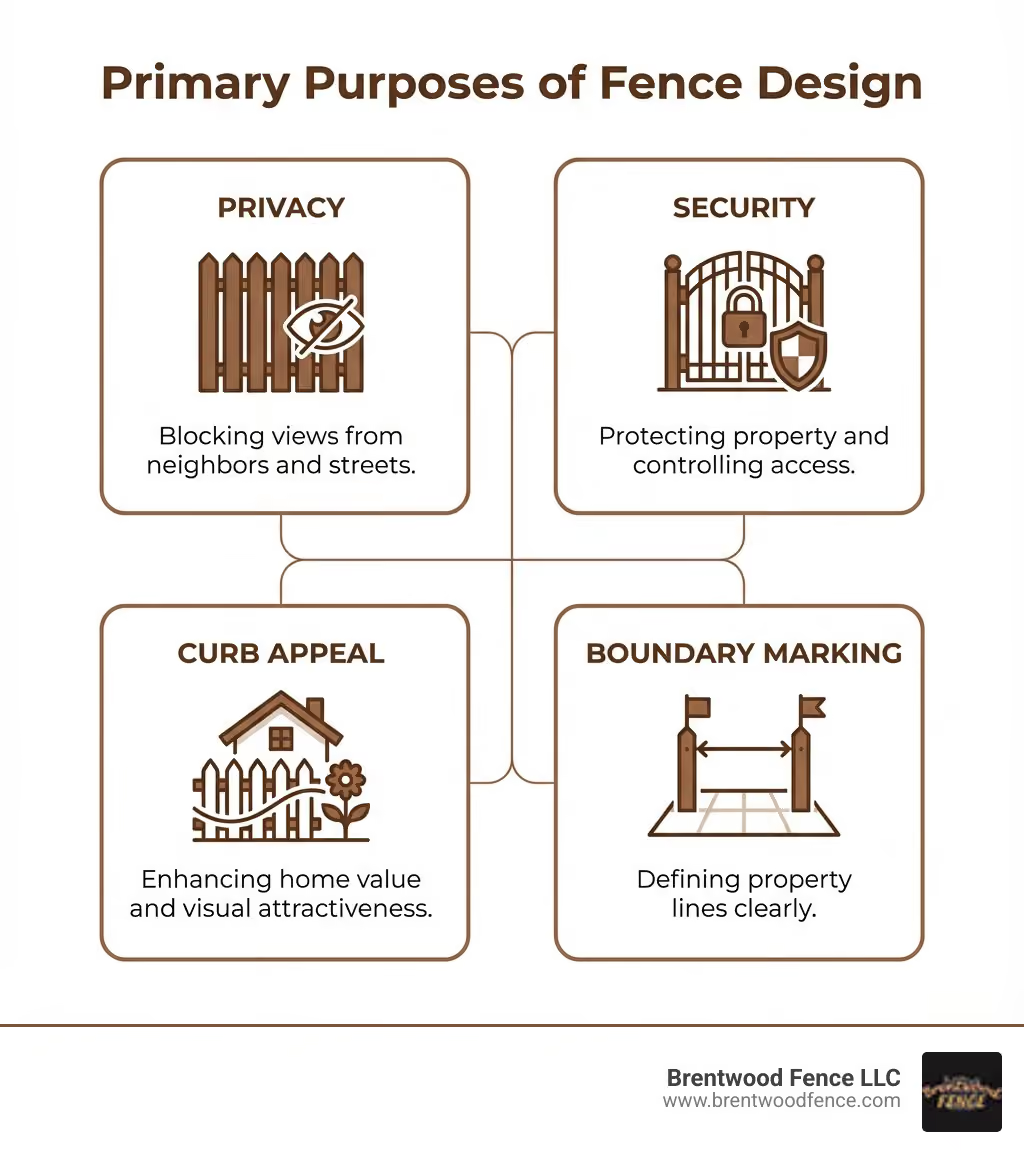
Before diving into materials and styles, consider the primary purpose of your new fence. This foundational decision will guide every subsequent choice in your fence design journey. Fences are versatile, but prioritizing their function ensures the best outcome for your property in Exeter NH, New Hampshire, Massachusetts, Maine, and beyond.
Here are the key reasons homeowners choose to install a fence:
Privacy: A top motivator for many homeowners, a privacy fence creates a secluded backyard oasis by blocking views from neighbors and passersby.
Security: A robust fence is a significant deterrent to unwanted visitors, protecting your property and providing peace of mind.
Pet Containment: A physical fence is the most reliable way to keep pets safely contained in your yard, allowing them to roam freely without the risks associated with electric fences.
Pool Safety: In many areas, including Massachusetts, fences with specific height and gate requirements are legally required around pools to prevent accidental drowning and ensure child safety.
Boundary Marking: A fence clearly defines your property lines, preventing disputes and fostering good relationships with neighbors.
Noise Reduction: While not soundproof, solid fences made from dense materials can significantly reduce traffic noise and other disturbances, creating a quieter outdoor space.
Enhancing Curb Appeal: The right fence acts as an architectural feature, enhancing your home's aesthetic and boosting its value. It can frame your landscaping, define an entrance, and make your property stand out.
Understanding these purposes helps us tailor the perfect Residential Fencing Options NH, MA, ME for your specific needs.
A Guide to Fencing Materials: Durability, Cost, and Style
The material you choose for your fence is a cornerstone of its fence design, influencing its appearance, durability, maintenance, and overall cost. We're here to break down the most popular choices, helping you find the perfect fit for your home in New Hampshire, Massachusetts, or Maine.
Here's a quick comparison of common fencing materials:
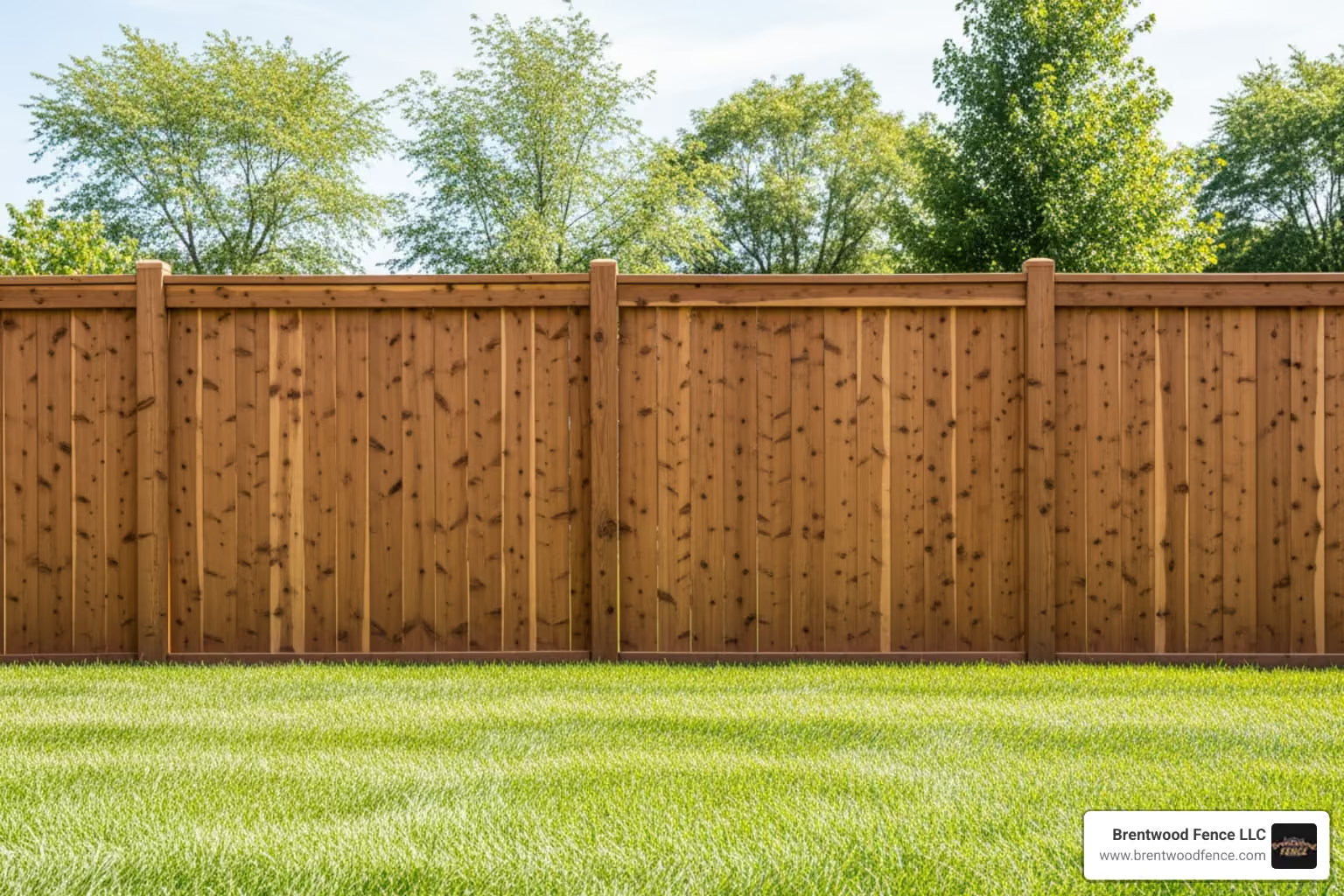
Wood fences are a timeless choice, cherished for their natural beauty and versatility. They offer a classic, inviting look that blends seamlessly with most landscapes.
Pros: Wood offers a classic, natural aesthetic and is highly customizable in style, height, and finish. It's a durable and cost-effective option, especially for privacy fences.
Cons: Wood requires regular maintenance (staining or sealing) to prevent rot, insect damage, and natural weathering like graying and shrinking.
Summary: With a lifespan of 20-25 years, wood requires regular upkeep to protect against moisture and pests. It's an affordable option, typically costing $7–$30 per linear foot.
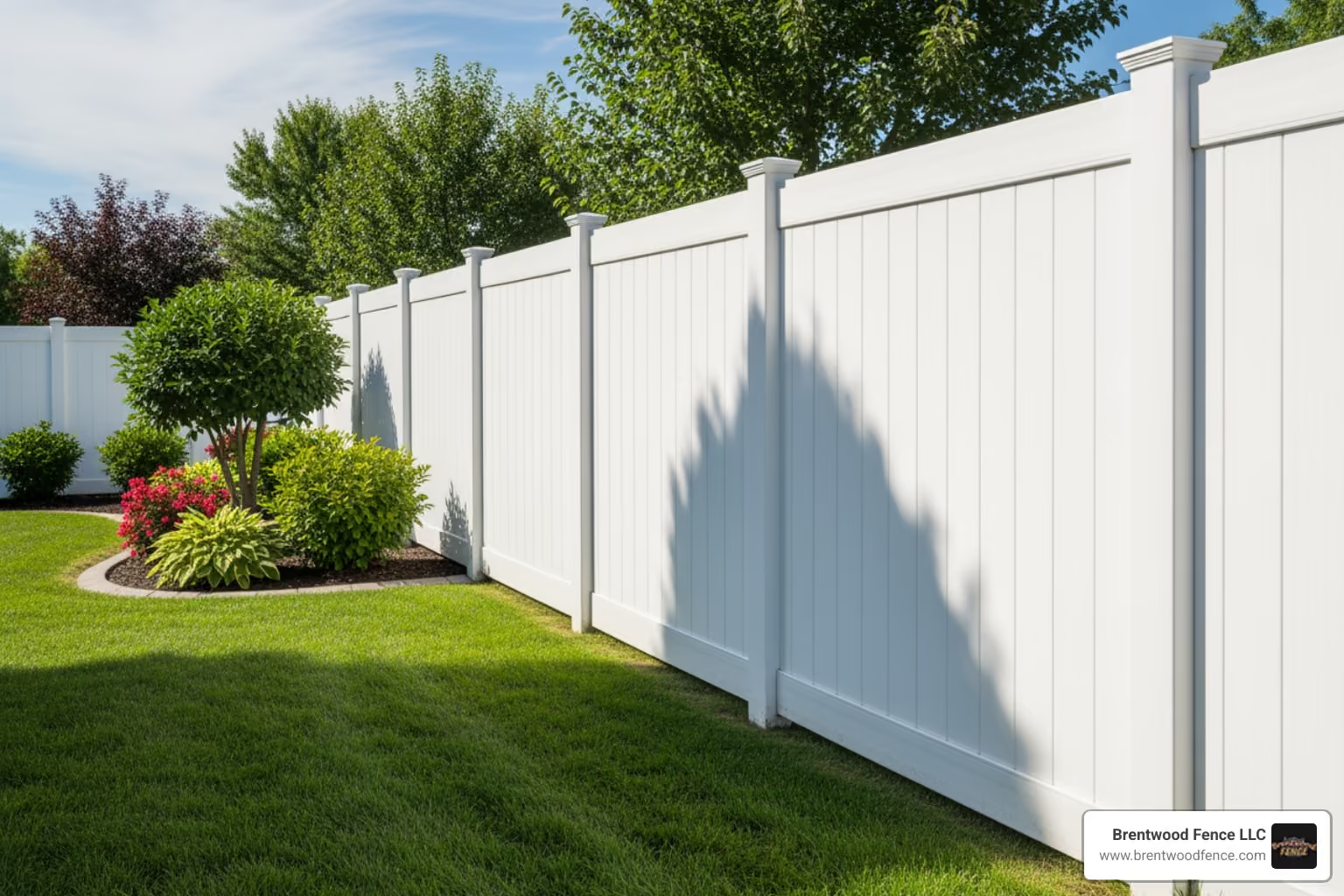
Vinyl fencing is a favorite for homeowners seeking a low-maintenance, durable, and aesthetically pleasing option. Made from PVC, vinyl offers a clean look without the upkeep of wood.
Pros: Vinyl's main advantage is its low maintenance; it won't rot or splinter and never needs painting. It's a durable, wind-resistant material available in many styles and colors that improve curb appeal.
Cons: The initial cost is higher than wood, and while durable, panels can be damaged by extreme impacts or heat.
Summary: Lasting 25-30+ years with only occasional cleaning, vinyl is cost-effective long-term, with prices from $10–$30 per linear foot.
Metal fences, particularly aluminum and steel, offer a blend of strength, security, and neat aesthetics. They are an excellent choice for defining boundaries and adding sophistication.
Pros: Metal (aluminum and steel) offers superior strength, security, and longevity. It's impervious to rot and insects, making it a durable, low-maintenance choice ideal for New England climates. Aluminum is a lightweight and affordable alternative to wrought iron.
Cons: Metal fences typically offer less privacy due to their open designs. The cost is higher, and aluminum can bend under significant force.
Summary: With a lifespan of 25-50+ years, metal requires only occasional cleaning. Costs range from $7–$40 per linear foot depending on the material.
Composite fencing combines wood fibers and plastic to create a durable, low-maintenance, and eco-friendly alternative.
Pros: Made from recycled materials, composite is an extremely durable, eco-friendly option. It provides a wood-like appearance without the maintenance, as it resists rot and insects and never needs painting.
Cons: Composite is one of the most expensive fencing materials. The color is permanent and cannot be painted, and it may fade over time.
Summary: Lasting 25-40 years with minimal cleaning, composite is a long-term investment, costing around $22–$38 per linear foot.
Exploring Popular Fence Design Styles
The style of your fence is where your property's personality shines, improving curb appeal and complementing your home's architecture. From historic colonials in Concord, NH, to contemporary builds in Haverhill, MA, the right fence design makes a statement. Modern trends emphasize clean lines and mixed materials, creating a fence that is both functional and beautiful.
When privacy is your main goal, the fence design needs to create a visual barrier that shields your outdoor living spaces.
Solid Panels: For maximum seclusion, solid panels with no gaps create a complete visual barrier. Interlocking "Lock Board" fences are a popular and attractive option.
Six-Foot Height: A height of six feet is standard for backyard privacy fences, effectively blocking most ground-level views.
Lattice Toppers: Adding a 12- to 18-inch lattice topper provides extra privacy from liftd views (like a neighbor's deck) without creating a solid, imposing wall. It allows light and air to pass through.
Shadowbox Style: Also known as a "good neighbor" fence, this style features alternating boards on each side of the rails. It offers an identical, finished look from both sides and allows for airflow, making it ideal for shared property lines.
Board-on-Board: This style uses overlapping vertical boards to create a gap-free, solid privacy fence with a sturdy, textured appearance.
Your front yard fence makes the first impression and significantly contributes to your property's curb appeal.
Picket Fences: This classic American style defines boundaries with a charming, approachable look perfect for traditional homes. It marks property lines without blocking views.
Short Vertical Boards: A budget-friendly and sturdy option, these fences provide a more substantial boundary than picket fences, offering a clean, defined border.
Split-Rail: Ideal for a rustic or rural look, split-rail fencing is a simple, low-cost way to define property lines, especially on larger lots common in New Hampshire and Maine.
A well-designed front yard fence, typically 3 to 4 feet tall, acts as a frame for your home, enhancing its architectural features and boosting its value.
The orientation of fence boards plays a crucial role in the overall fence design, impacting its aesthetic and function.
Vertical Boards: The traditional orientation, vertical boards create a classic, strong look that works well on uneven ground.
Horizontal Boards: A popular modern choice, horizontal boards create a sleek, contemporary look that can make outdoor spaces feel wider.
Shadowbox (Board-on-Board): By alternating boards on either side of the rails, this "good neighbor" design offers a finished look from both sides, semi-privacy, and airflow.
A fence can be more than a barrier; it can be an integral part of your outdoor living space. Thoughtful additions like gates, planters, and lighting can transform your fence design from functional to extraordinary, creating a dynamic feature that serves as a vertical garden or a softly lit boundary for evening gatherings.
Gates, Arbors, and Decorative Elements
Gates and decorative elements provide entry points while improving your overall fence design.
Gates: A pedestrian gate should be at least 3 feet wide for comfortable passage. Wider custom or driveway gates can provide security while lending an estate look to your home.
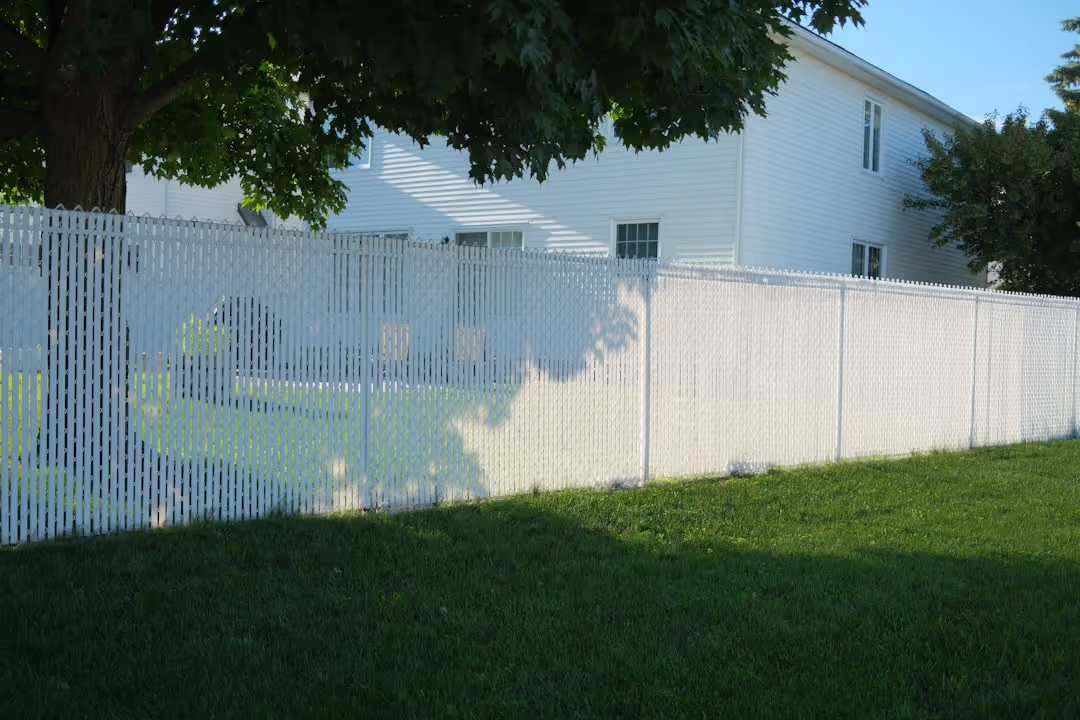
Arbors and Decorative Elements: Custom gates can be designed to perfectly match your fence's style. Arbors create a charming, grand entryway, while decorative post caps add a polished, finishing touch and protect posts from weather damage. Our Chain Link Fencing Gates Complete Guide shows how even functional gates can be customized.
Integrating Fencing with Landscaping
By thoughtfully integrating your fence with landscaping, you can create a cohesive outdoor space that feels like a natural extension of your home.
Backdrop for Gardens: A fence serves as an excellent backdrop for landscaping. Painting it a dark color can make vibrant flowers and greenery stand out dramatically.
Built-in Planters: Integrate shelves or planters directly into your fence design to display potted plants and add life and color to the fence line.
Climbing Plants: Use lattice, wire, or a trellis to support climbing plants and transform your fence into a living wall that adds natural beauty and increases privacy.
Creating Outdoor Rooms: A well-integrated fence helps define outdoor "rooms," making a patio feel like a private extension of the home and creating a secluded oasis for relaxation.
The Practical Side: Permits, Codes, and Professional Installation
While the aesthetic aspects of fence design are exciting, navigating local regulations and deciding on installation methods are crucial steps to ensure your project is compliant and stands the test of time.
Understanding Local Regulations
Before installation, it's crucial to understand local regulations, which vary significantly across New Hampshire, Massachusetts, and Maine. Overlooking them can lead to fines or fence removal. Be sure to:
Confirm Property Lines: Have your property professionally surveyed to avoid disputes with neighbors.
Check Zoning Codes & Permits: Contact your town's building inspector to learn about rules for fence height, setbacks, materials, and whether a permit is required.
Consult HOA Rules: If applicable, get approval from your Homeowners Association (HOA) for your fence design, as they often have specific guidelines.
Adhere to Pool Codes: Fences around pools have strict safety requirements. Always get your proposal approved by the local building inspector.
Once you've finalized your fence design, the next decision is installation. While some consider a DIY approach, professional installation is the best way to ensure a quality, long-lasting fence.
Benefits of Professional Installation: Experienced installers ensure your fence is built correctly, efficiently, and in compliance with local codes. Professionals handle the difficult labor, use the proper tools, and provide a warranty on materials and workmanship, guaranteeing a high-quality result that maximizes your investment.
Drawbacks of DIY: A DIY fence installation can be extremely time-consuming and physically demanding. Common errors like incorrect post depth or uneven panels can lead to structural problems and a shorter lifespan for your fence, with no warranty to fall back on.
For these reasons, we believe that investing in professional installation is the most cost-effective and stress-free path to achieving your dream fence. Learn more about how to Find a local fence contractor you can trust.
Frequently Asked Questions about Fence Design
We often hear similar questions from homeowners across New Hampshire, Massachusetts, and Maine as they start their fence design projects. Here are some common inquiries, answered to help clarify your choices.
What is the best fence material for low maintenance?
For minimal upkeep, vinyl and composite are the top choices. Both materials are durable, resist rot and insects, and never need painting or staining. They require only occasional cleaning with soap and water, making them ideal for homeowners who want to spend more time enjoying their yard and less on maintenance.
How tall should a fence be for privacy?
A six-foot-tall fence is standard for backyard privacy, blocking most ground-level views. For extra screening from a neighbor's deck or second-story window, adding a 12- to 18-inch lattice topper provides more privacy without creating an imposing, solid wall. Always check local zoning codes, as height regulations vary by town.
What is a "good neighbor" fence?
A "good neighbor" fence is a fence design that looks attractive from both sides, which is ideal for shared property lines. The most common example is a shadowbox fence, where boards are attached to alternating sides of the rails. This creates an identical view for both neighbors, allows for airflow, and prevents disputes over who gets the "finished" side.
Conclusion
Choosing the perfect fence design for your property in New Hampshire, Massachusetts, or Maine is a significant decision that impacts aesthetics, functionality, and value. We've explored the critical elements: defining your purpose, selecting the right material, understanding various styles, and navigating the practicalities of regulations and installation.
Your fence is more than a boundary; it's an extension of your home's character and an investment in your lifestyle. Whether you prioritize privacy, security, curb appeal, or a combination, there's a fence design perfectly suited to your needs.
For expert guidance, unparalleled craftsmanship, and professional installation of your dream fence, trust the experienced team at Brentwood Fence LLC. We're dedicated to bringing your vision to life, ensuring your fence is not only beautiful but also built to last.