Blog Content

28
May
2026
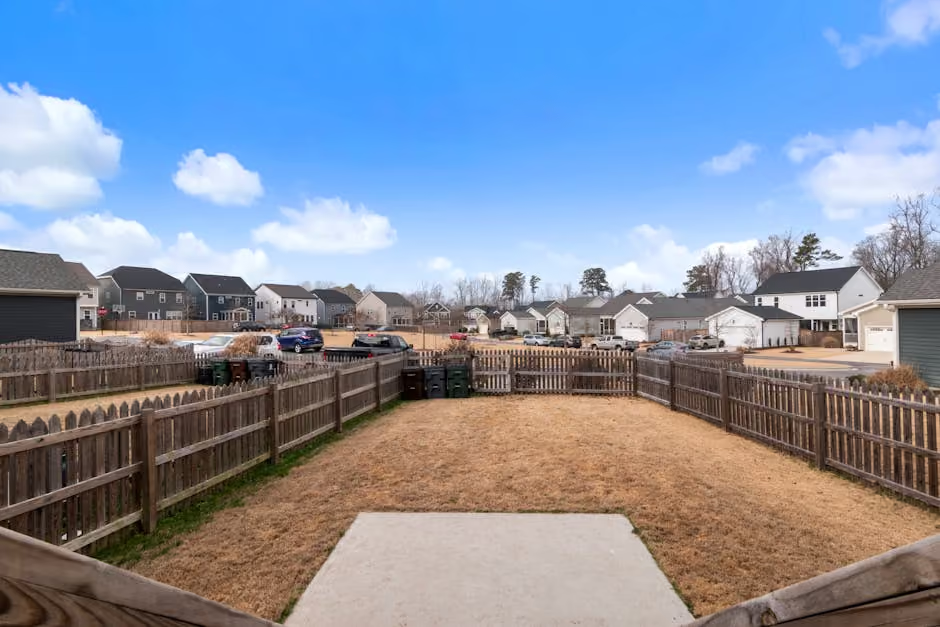
Choosing the right fence styles for your property doesn't have to be overwhelming — here's a quick breakdown of the most popular options:
The white picket fence has been a symbol of home ownership since pre-Revolutionary days. But in 2026, homeowners have far more options — and far higher expectations.
Whether you need full backyard privacy, better curb appeal, or a safe enclosure for kids and pets, the right fence makes a real difference. The wrong one? It costs you money, time, and headaches.
This guide covers every major fence style — from classic wood to low-maintenance vinyl to sleek ornamental metal — so you can make a confident, informed decision before a single post goes in the ground.
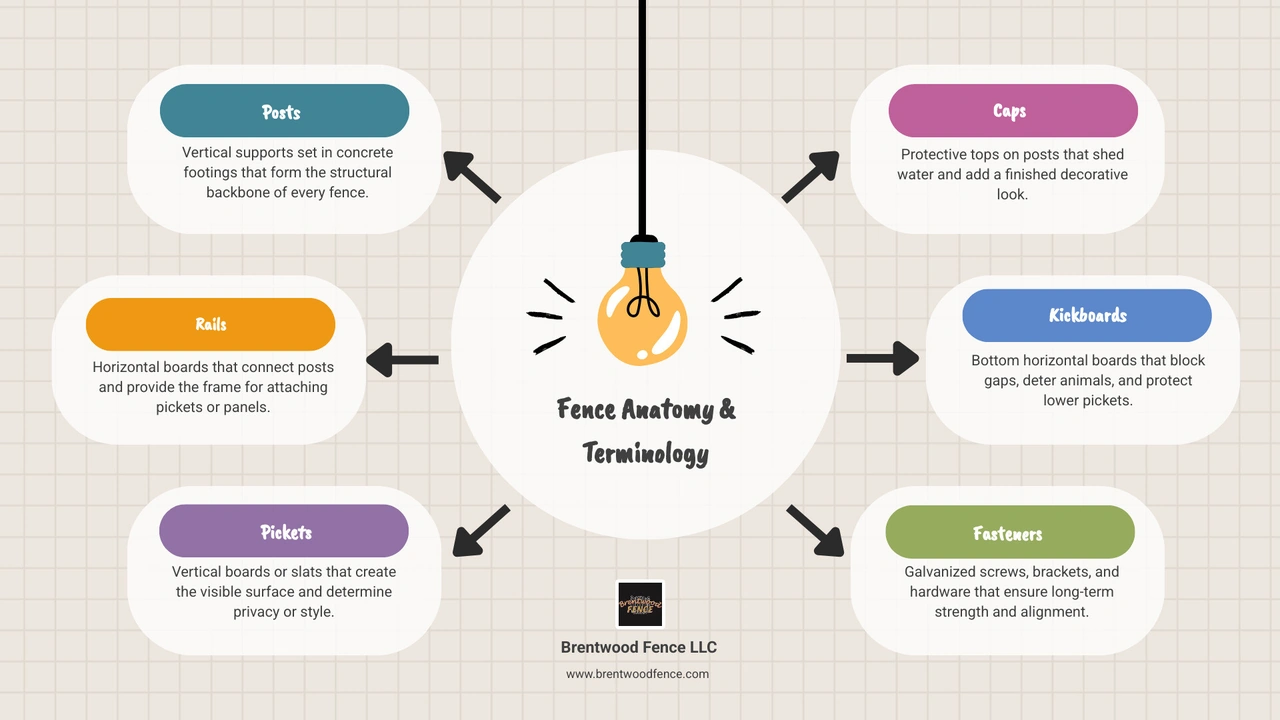
Fence styles terms you need:
When we talk about fence styles, we aren't just talking about how they look. We are talking about how they function. A fence that keeps a Golden Retriever in the yard might not be the same fence that keeps the neighbor's prying eyes away from your pool. In the New England landscape—from the historic streets of Portsmouth, NH, to the sprawling properties of Derry—the style you choose needs to balance aesthetics with the reality of our four-season climate.

The best privacy fence options usually involve solid infill panels. However, many homeowners are now opting for semi-private designs. These offer a "best of both worlds" scenario, using spacing or lattice tops to allow airflow and light while still defining the space.
For those with larger acreage or rural properties in places like Exeter or Manchester, the ranch rail or post-and-rail style remains a top choice. It’s an economical way to mark property lines without obstructing those beautiful New Hampshire views. Meanwhile, decorative and ornamental styles focus on "the look," often used for front yards where you want to show off your landscaping rather than hide it.
The material you choose is the foundation of your fence’s lifespan. In May 2026, we see a diverse mix of residential fencing options across Massachusetts and Maine, each with its own set of pros and cons:
Wood remains a favorite because of its versatility. If you are looking into wooden privacy fence installation, you’ll likely encounter these specific styles:
When we help neighbors in Concord or Dover choose a fence, we often look at the long-term "math." A cheaper fence that needs replacing in 10 years is often more expensive than a premium fence that lasts 30.

For wood enthusiasts, cedar is the gold standard. It contains natural oils that resist rot and insects. Pressure-treated pine is a more affordable alternative, but it requires more frequent sealing to prevent warping. If you want the look of wood without the work, modern horizontal metal fencing is a fantastic 2026 trend. These metal panels use wood-grain finishes that are digitally scanned from real timber, giving you the warmth of wood with the 25-year-plus lifespan of steel.
Beyond just the boards, consider the types of fencing for backyards that handle our New England winters. Vinyl and metal won't expand and contract as drastically as wood, which helps keep the gate alignment perfect year-round.
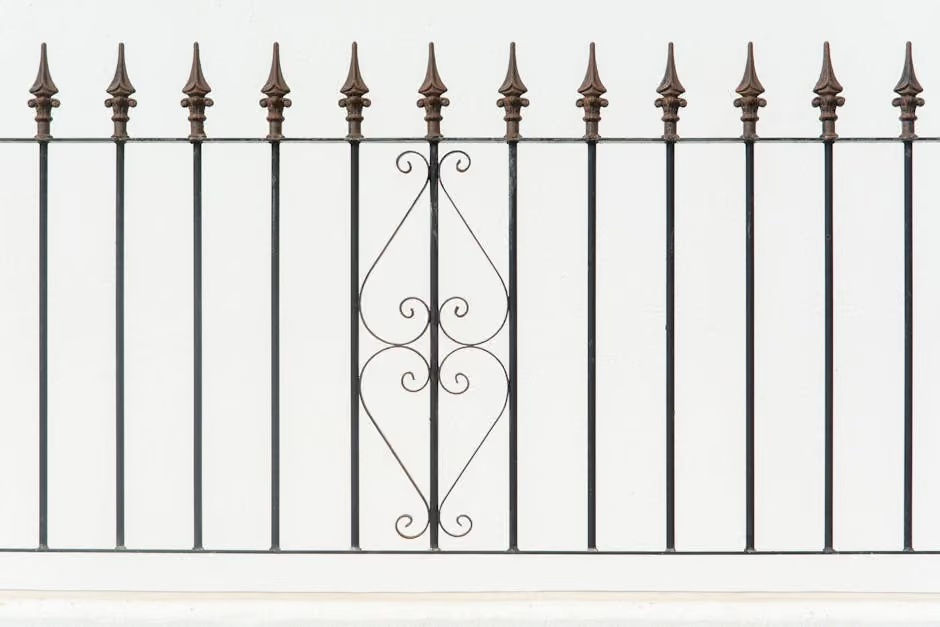
If you have a pool in Haverhill or a stately home in Portsmouth, ornamental metal is often the winner. Aluminum is lightweight and rust-proof, making it ideal for pool enclosures. Steel, specifically "ornamental steel," provides unmatched strength.
Modern steel fences, like the Montage series, use a "E-Coat" system—a multi-stage finish that includes zinc phosphate and epoxy primer. This allows the fence to withstand salt spray and harsh weather for decades. These fences often feature "finials" (the decorative tops) which aren't just for looks; they act as a deterrent to anyone trying to climb over.
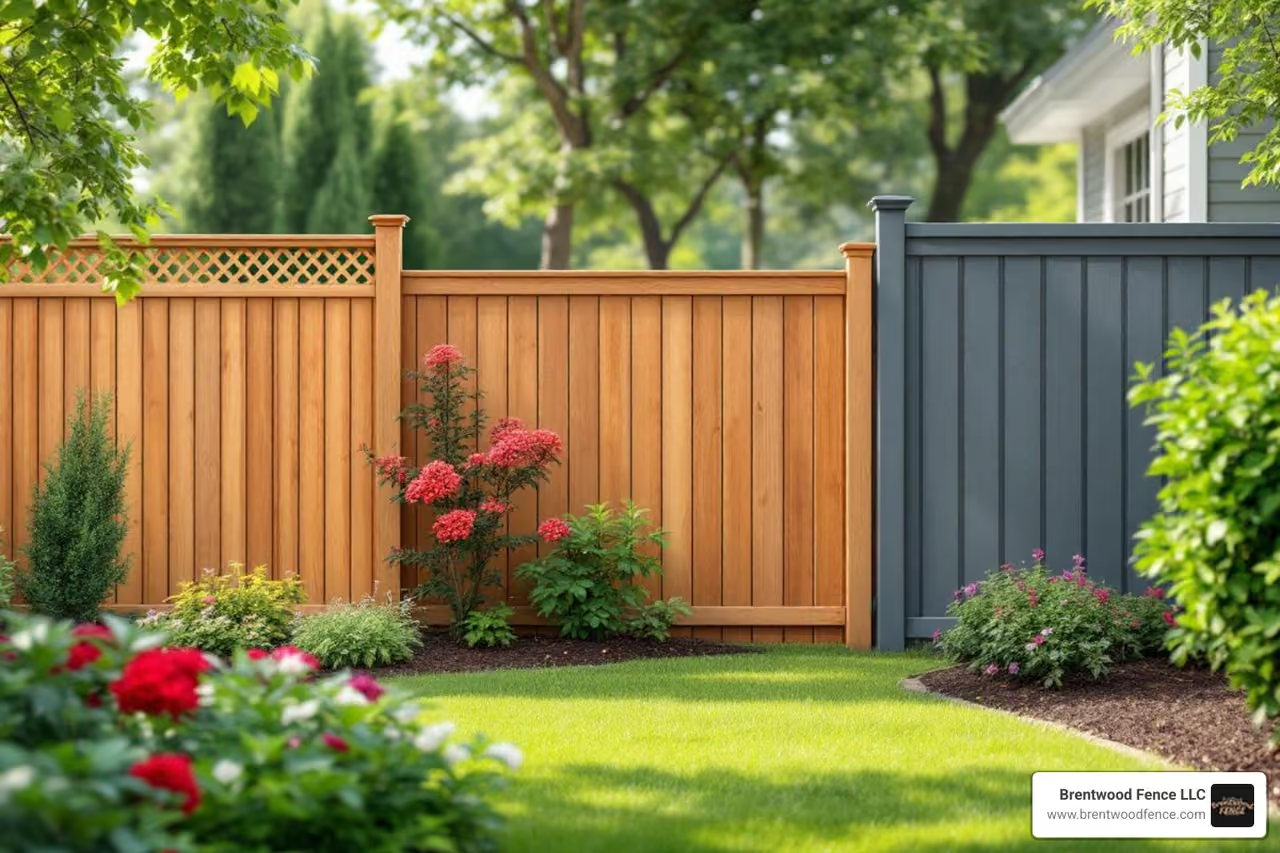
For the busy homeowner, vinyl is the ultimate "set it and forget it" solution. In 2026, vinyl isn't just "shiny white plastic." You can find vinyl in colors like Sand, Clay, and even "Driftwood" textures that mimic aged wood.
We see a lot of interest in backyard fence solutions that use shiplap or stepped profiles. Shiplap creates a very clean, geometric look that works well in urban settings like Manchester. Stepped profiles create more visual depth, similar to traditional board-on-board wood fences, but with the UV protection and weather resistance of high-grade PVC.
Before you commit to one of the many fence styles available, you have to look at the ground beneath your feet. New England is famous for its rolling hills and rocky soil.
Property Slope: Racking vs. Stair-SteppingIf your yard isn't perfectly flat (and let's be honest, whose is?), you have two choices:
Your choice in fence design should also be guided by local HOA rules and building codes. For example, many towns have "good side" ordinances, requiring the finished side of the fence to face your neighbor.
A fence is only as good as its installation. We always emphasize the "Anatomy of a Fence." You need to understand these components:
Expert alignment is key. A fence that is even an inch out of plumb will eventually sag, causing gates to stick and panels to warp.
Different areas of your property serve different purposes. Here's how we typically match fence styles to needs:
For 100% seclusion, Tongue & Groove vinyl or Board-on-Board wood are your best bets. These styles are designed so that there are no gaps between the boards, even if the wood shrinks slightly over time. If you want a more modern look, horizontal fences with overlapping boards also provide excellent privacy.
In most residential areas across New Hampshire and Massachusetts, the standard height for a backyard privacy fence is 6 feet. Front yard fences are typically restricted to 3 or 4 feet to maintain visibility for traffic and neighbors. However, always check your specific local building codes or HOA regulations before starting, as some areas allow up to 8 feet with a permit.
Vinyl and Aluminum are the winners here. Vinyl only requires an occasional wash with soap and water to remove dirt or algae. Aluminum and ornamental steel fences are powder-coated or E-coated, meaning they never need to be painted or stained. If you love the look of wood but hate the work, consider the new wood-grain metal panels available in 2026.
Choosing from the many fence styles available today is about finding the intersection of your personal taste, your property's needs, and your budget. Whether it's a charming picket fence in a historic Exeter neighborhood or a sleek, modern horizontal fence in a new Manchester development, the right choice adds value and security to your home.
At Brentwood Fence LLC, we specialize in helping homeowners navigate these choices. From professional post setting to custom designs that handle the toughest New England slopes, we ensure your fence is built to last until 2050 and beyond.
Ready to transform your yard? Get a Free Estimate on Wood Fencing Installation Services and let us help you pick the perfect picket!


Copyright 2022 Brentwood Fence | All Rights Reserved | Sitemap | Website by Plumb Development a Digital Marketing Agency