Blog Content

15
Jul
2026
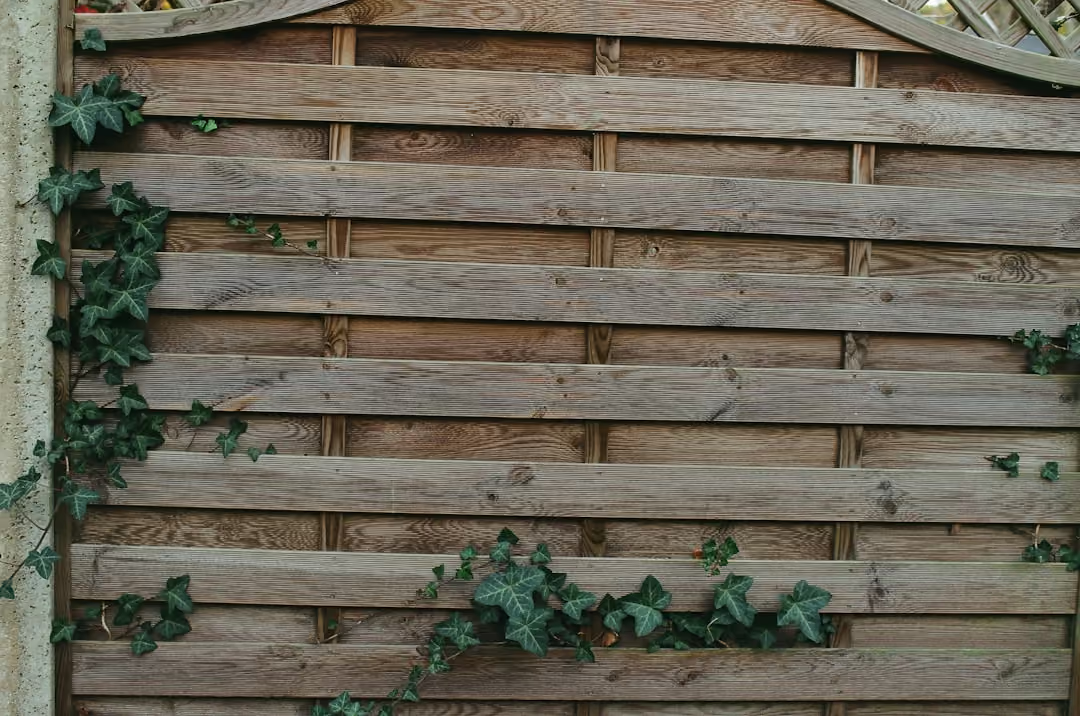
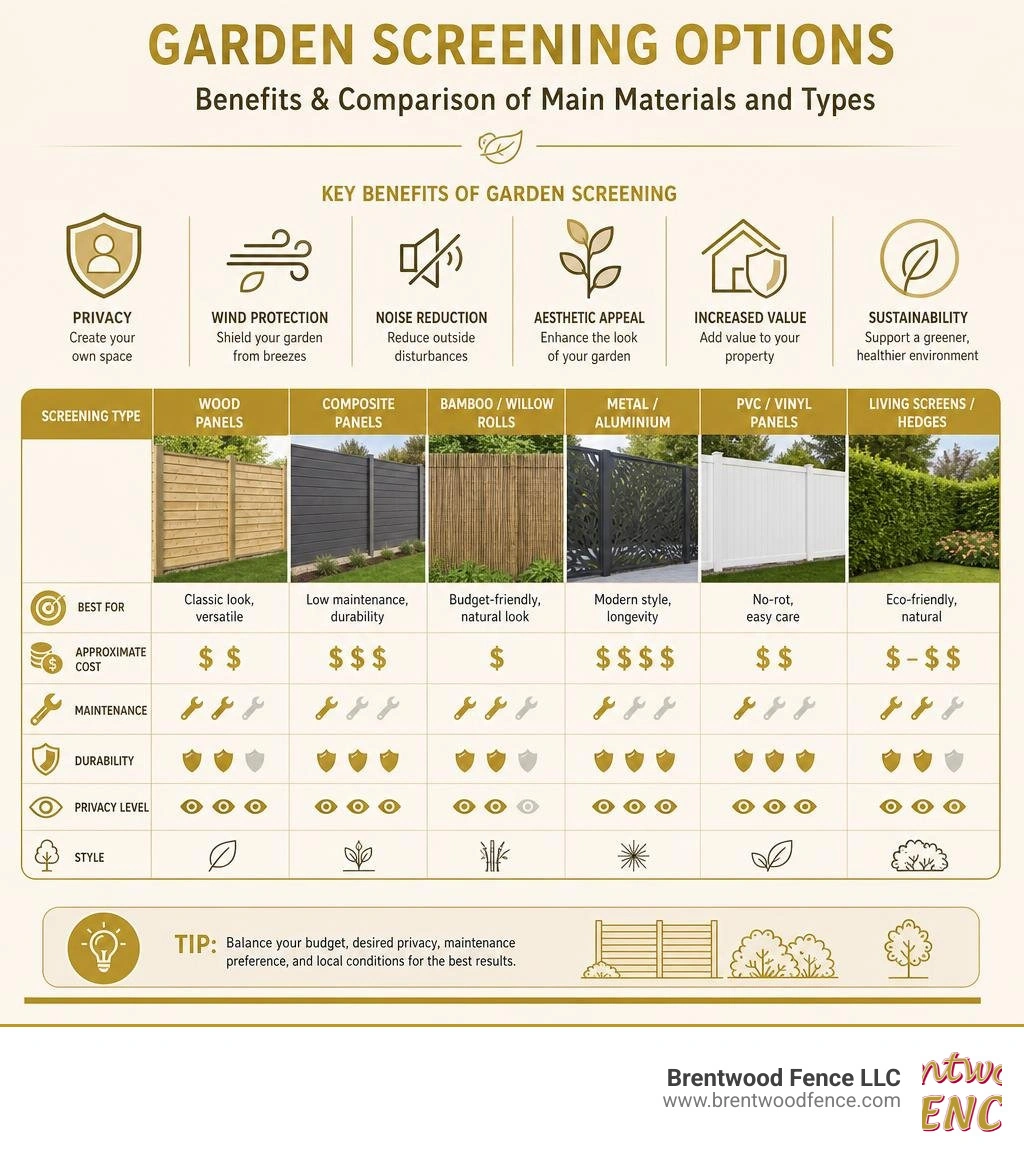
Garden screening options range from natural plant-based solutions to structural panels — and the right choice depends on your budget, privacy needs, and local rules.
Here are the most common options at a glance:
Your backyard should feel like your space — not a fishbowl for the neighbors.
Yet for many suburban homeowners, getting genuine privacy without tearing up the budget feels impossible. Contractors give vague quotes. Materials look great online but underperform in real weather. And the wrong choice can mean costly replacements in just a few years.
The good news? There are smart, durable screening solutions for almost every budget — and knowing your options upfront is half the battle.
Interest in garden privacy solutions has surged sharply in recent years. Demand for recycled aluminium privacy panels alone rose by around 180% in 2025, reflecting just how much homeowners are prioritizing their outdoor spaces.
This guide breaks down the most effective options so you can make a confident, informed decision.
Terms related to garden screening options:
When you begin looking at garden screening options for your property in New England, you will quickly realize there is no single "perfect" material. Instead, the best choice depends on how you weigh durability against cost and maintenance.
For homeowners in Manchester, NH, Dover, NH, or Haverhill, MA, weather is a massive factor. Our blistering summers and sub-zero, snow-heavy winters put serious stress on backyard structures. Let’s look at how the primary materials stack up:
Wood remains a timeless, highly popular choice. From classic white cedar to pressure-treated pine, wood offers a warm, natural aesthetic that blends seamlessly into any landscape.
Composite screening is made from a blend of recycled wood fibers and plastic. It has gained massive traction for homeowners who want the look of wood without the upkeep.
Laser-cut metal panels are rapidly growing in popularity. They can serve as gorgeous focal points while offering excellent privacy.
Vinyl is a fantastic modern alternative for clean lines and zero-fuss durability.
To help you visualize how these materials compare across key performance metrics, we have put together a quick breakdown:
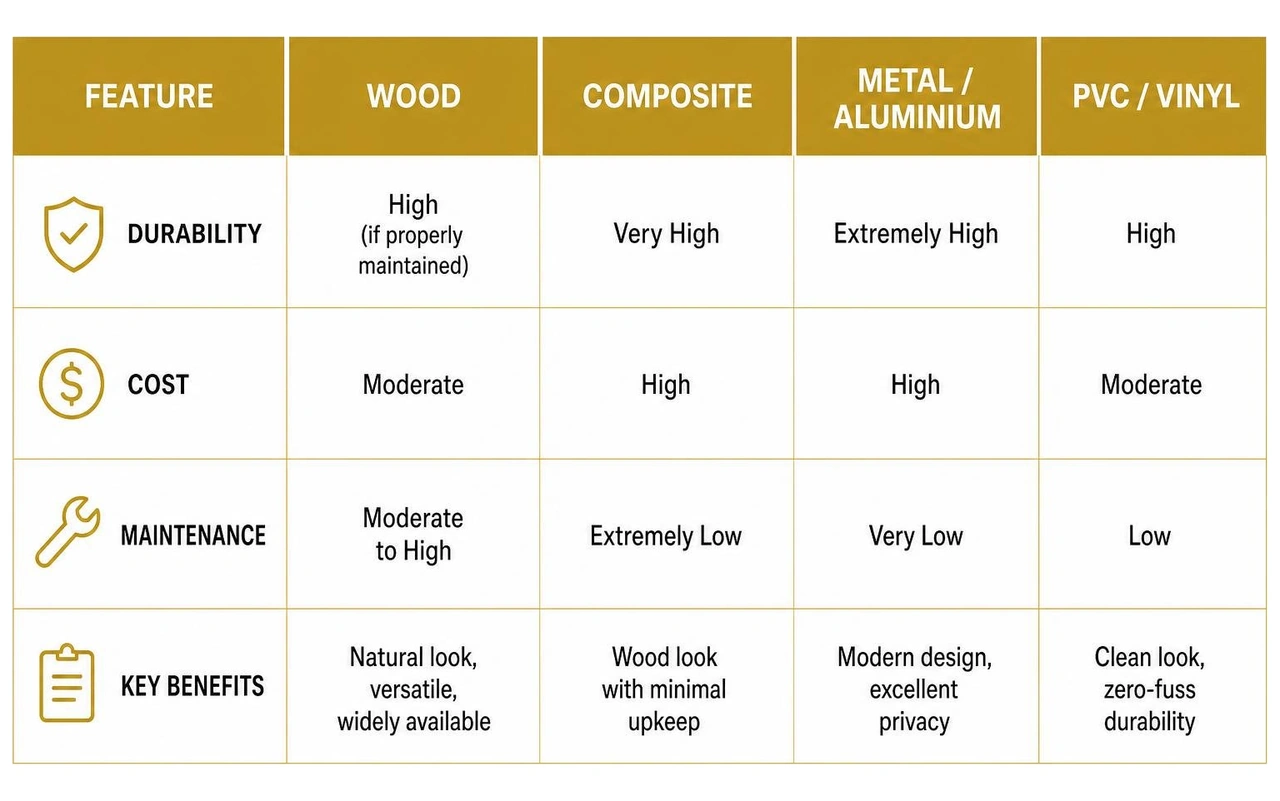
When deciding between these materials, it is helpful to explore the different Types of Privacy Fences NH MA ME to see how these materials are structurally utilized. Whether you choose the natural elegance of wood or the modern ease of vinyl, matching the material to your lifestyle is key to long-term satisfaction.
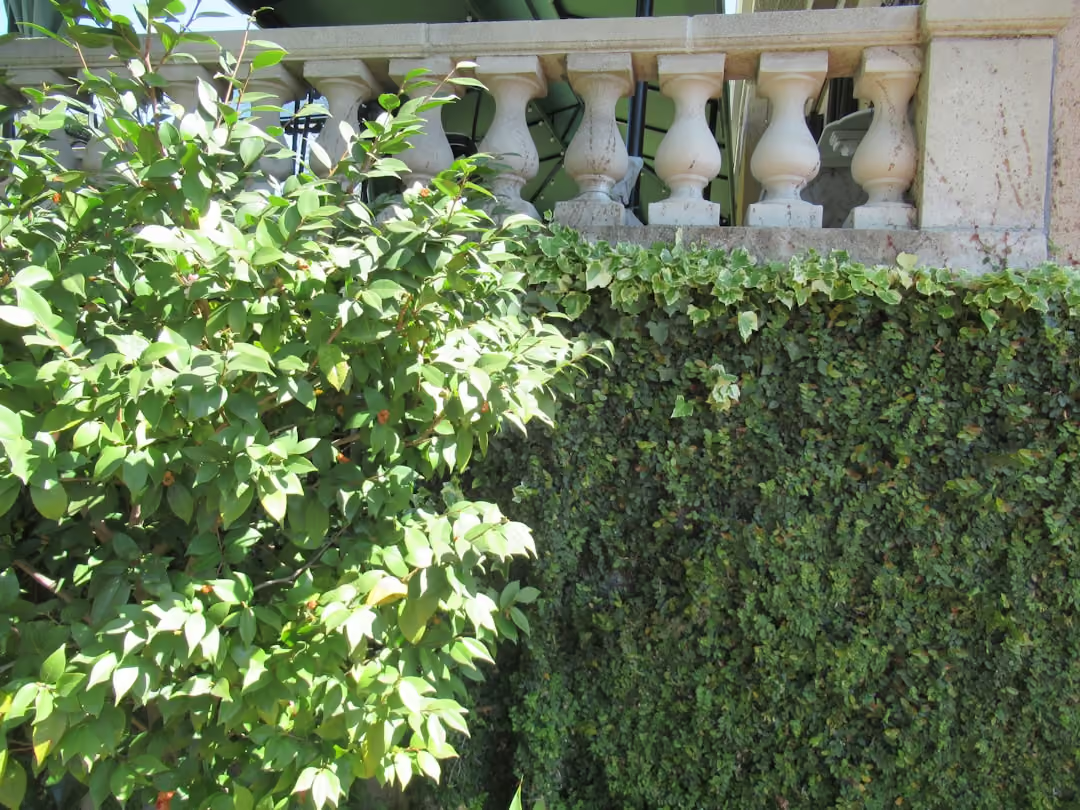
As you map out your backyard privacy design, you will face a fundamental design choice: Do you go with a natural, plant-based barrier, or do you install a structural screen?
Both approaches have unique benefits. Natural solutions soften your landscape and support local biodiversity, while structural screens provide instant, reliable privacy from day one without waiting for plants to grow. Combining both often yields the most balanced, beautiful results.
If you love the idea of a "living wall," plant-based screening is an incredible route. However, New England's USDA hardiness zones (ranging from zone 4 to 6 in our service areas like Concord, NH and Maine) require careful plant selection. You need hardy species that can survive freezing winters and still look great in the spring.
When using plant-based screens, we highly recommend pairing them with a structural backing. A strong, professional fence or trellis provides the necessary support for heavy climbing vines and ensures your privacy remains intact even during the winter dormancy period.
For instant privacy, structural screens are unmatched. You don't have to wait years for a hedge to mature, and the maintenance is highly predictable.
To explore the full spectrum of solid, semi-private, and decorative designs, take a look at our curated list of the Best Privacy Fence Options NH MA ME.
One of the biggest mistakes homeowners make when installing garden screening options is failing to check local zoning laws and homeowner association (HOA) rules.
In many municipalities across New Hampshire and Massachusetts—such as Portsmouth, NH or Haverhill, MA—there are strict limits on fence and screen heights. Typically, residential backyards are limited to a maximum height of 6 feet, while front yards are often capped at 4 feet.
If you need to design within these boundaries, a Privacy Fence 4 Ft NH MA ME is an excellent way to establish boundaries without violating local ordinances.
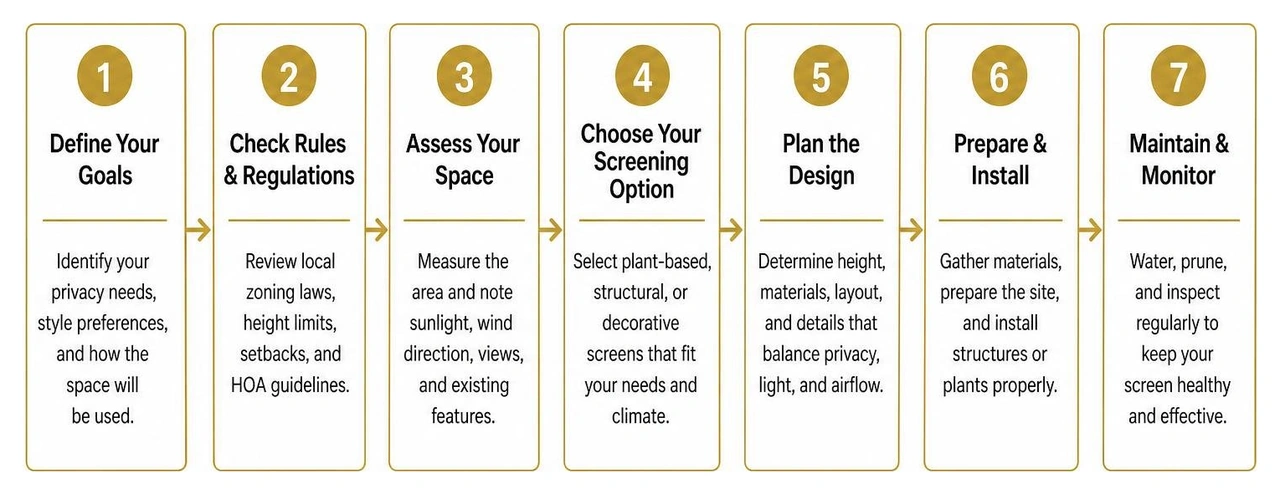
Beyond legal rules, you must also consider the flow of natural light. A solid, 6-foot-tall black vinyl wall might give you 100% privacy, but it could also plunge your favorite patio or flower bed into permanent shadow.
To prevent this, smart designers utilize semi-open structures:
Before digging any post holes, it is highly recommended to review a comprehensive Privacy Fencing Installation Guide to ensure your project is structurally sound, legally compliant, and respects your neighbors' property lines.
Modern landscaping is all about maximizing utility. A garden screen doesn't have to just stand there and look pretty—it can perform multiple duties at once! By choosing multi-functional garden screening options, you get more value out of every square foot of your yard.
If you are looking for professional design inspiration to tie these elements together, you can explore local landscape construction and design options in Exeter, NH to see how experts integrate hardscapes and privacy structures. For more creative layout concepts, check out our collection of Privacy Fence Ideas NH MA ME and practical Backyard Fence Solutions NH MA ME.
Living in New England means our outdoor structures must be built to survive a gauntlet of weather conditions. From heavy, wet snowfalls in Maine to humid, salty coastal air in Portsmouth, NH, your garden screen will take a beating.
Here is how different materials perform under regional climate stressors:
Wood and composite perform exceptionally well under heavy snow loads, provided they are professionally installed with deep, concrete-anchored footings. Cheap, thin plastic lattice panels, on the other hand, can become brittle in sub-zero temperatures and crack under the weight of snow drifts or falling icicles.
Solid, flat-panel fences act like giant sails in high winds. During a coastal Nor'easter, the lateral pressure on a solid fence can loosen posts or warp the panels. Woven willow screens, slatted wood, or semi-private vinyl are superior in high-wind areas because their built-in gaps let the wind pass through safely.
Our summers can be incredibly humid, which invites mold, mildew, and rot.
When choosing your materials, it is vital to weigh these environmental factors. Take some time to browse through the various Yard Privacy Fencing Options NH MA ME to find a solution tailored specifically to your local microclimate.
If you are on a tight budget, the most cost-effective temporary or semi-permanent garden screens are bamboo or willow rolls. These can be easily attached to an existing chain link fence or simple wooden frame using zip ties or wire.
If you already have a chain link fence and want a clean, durable, and affordable upgrade, installing privacy slats is an excellent choice. You can learn more about this budget-friendly method in our guide on Cheap Privacy Slats Chain Link Fence. For a deeper dive into product quality, compare your choices with the Best Privacy Slats for Chain Link Fence or read our complete Privacy Options Chain Link Fence Guide.
In most residential areas of New Hampshire, Massachusetts, and Maine, you do not need planning permission (a building permit) for a standard privacy screen or fence as long as it is 6 feet tall or shorter and located within your property lines.
However, rules vary by town. For example, historic districts or properties with strict HOA guidelines may have specific material and color restrictions. If you are using a temporary fence options in Concord, NH during a major renovation, or planning a permanent install, it is always wise to consult with a professional Privacy Fence Contractor NH MA ME or search for Local Privacy Fence Installers who know the local building codes inside and out.
To keep a wooden or natural willow screen looking beautiful and structural sound, follow these expert maintenance tips:
If you don't have the time for regular upkeep, hiring a professional Privacy Fence Installation Company to install low-maintenance composite or vinyl screening is often the smartest long-term investment.
Finding the perfect garden screening options for your home doesn't have to be an overwhelming or incredibly expensive process. By understanding the strengths of different materials—whether you choose the natural beauty of cedar, the durability of composite, or the modern flair of decorative metal—you can design an outdoor space that feels private, spacious, and uniquely yours.
While DIY projects can be tempting, New England's tough climate and strict local zoning laws mean that a professional installation is the best way to ensure your screen stands straight and beautiful for decades to come.
At Brentwood Fence LLC, we have spent years helping homeowners across New Hampshire, Massachusetts, and Maine design and install premium, long-lasting privacy solutions. Whether you want to explore decorative style options or browse a full range of fencing solutions, we are here to bring your vision to life.
Ready to transform your backyard into a peaceful, private oasis? Contact us today to explore our premier wood fencing installation services and let’s build something beautiful together!

Copyright 2022 Brentwood Fence | All Rights Reserved | Sitemap | Website by Plumb Development a Digital Marketing Agency