Lattice Privacy Wall Ideas That Actually Look Amazing
14
Aug
2026
Author:
Rob Thibeault
Why Lattice Privacy Walls Are Worth a Closer Look
Lattice privacy wall ideas are one of the most popular ways to add seclusion, style, and structure to an outdoor space — without the heavy, closed-in feel of a solid fence.
Here's a quick overview of the most effective lattice privacy wall ideas:
Idea
Best For
Privacy Level
Modern horizontal slat lattice
Contemporary patios
High
Classic diagonal wood lattice with vines
Traditional backyards
Very high (with plants)
Dense-pattern vinyl or composite panels
Low-maintenance setups
High
Freestanding lattice divider screen
Decks, renters, small spaces
Moderate
Alternating solid and lattice panels
Balancing airflow and privacy
High
Lattice topper on existing fence
Adding height to current fence
Moderate–High
Living green wall on lattice frame
Garden-style yards
Very high (mature vines)
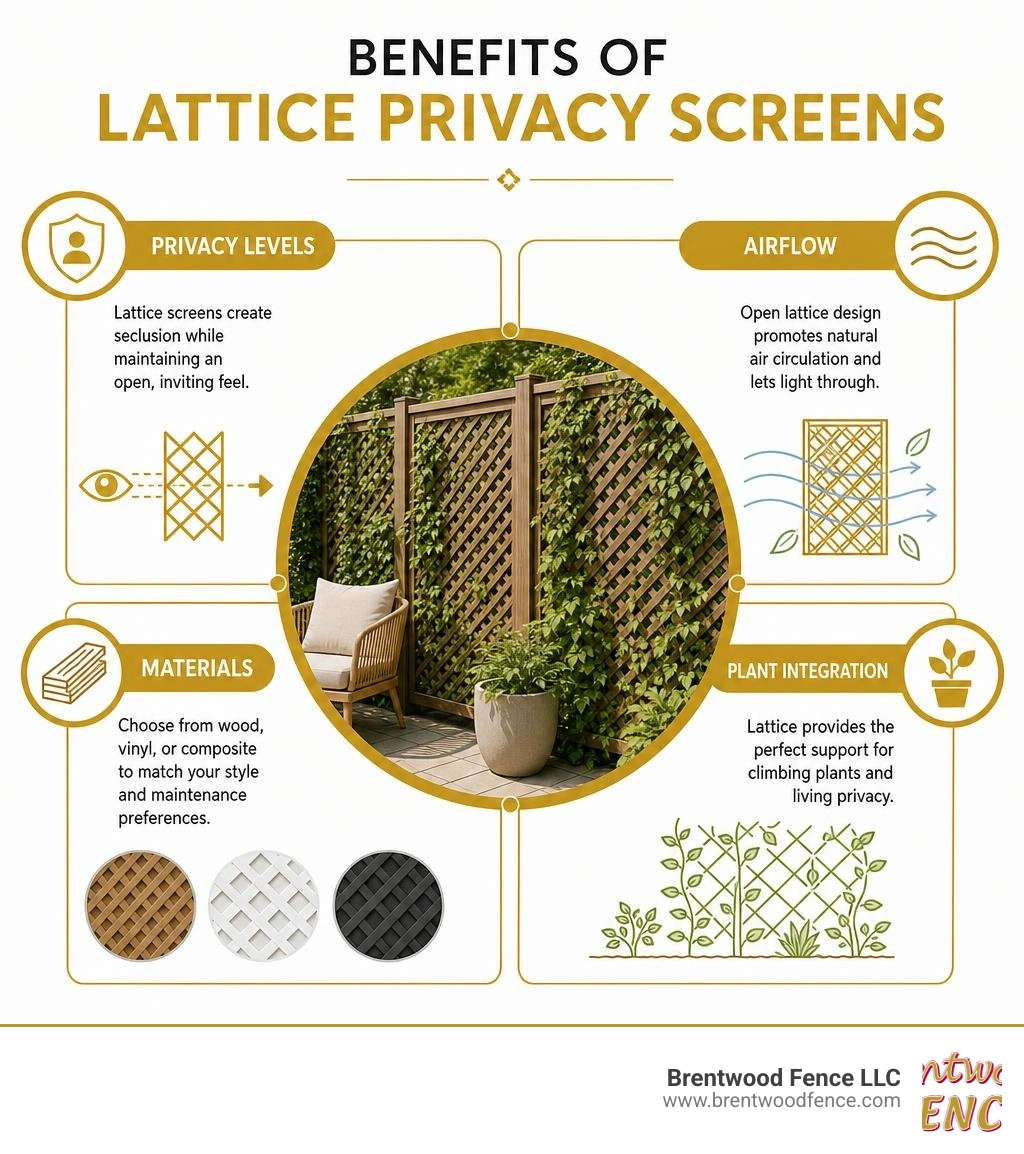
Standard lattice panels block 60–70% of direct views on their own. Add climbing plants like star jasmine or English ivy, and that number climbs to 90–95% once the vines mature.
The appeal is real. Homeowners across the country are replacing old chain-link fences and plain wood barriers with lattice screens because they look better, let in air and light, and can double as a trellis for plants. Over 2,775 photos tagged "privacy lattice" on Houzz alone show just how much interest there is in these designs.
Whether you want a clean modern look, a lush green wall, or a budget-friendly screen for your patio, there's a lattice solution that fits. This guide covers the best designs, materials, and what to expect from professional installation.
When planning your backyard layout, you might find yourself torn between a completely open yard and a fully closed-off fortress. This is where lattice shines. It strikes the ultimate balance by offering visual screening without sacrificing the natural elements that make being outside so enjoyable.
The primary advantage of lattice is its unique ability to diffuse light and wind. Unlike a solid wall that casts a harsh, heavy shadow, a lattice structure filters sunlight, casting beautiful dappled patterns across your patio.
Furthermore, because lattice features open spacing, it preserves natural airflow. This is a massive benefit during humid New England summers in places like Haverhill, MA, or Manchester, NH, where a stagnant backyard can quickly become uncomfortable. By selecting the right types of privacy fences NH MA ME, you can maintain a breezy, comfortable outdoor living room.
From an aesthetic standpoint, lattice is incredibly versatile. It can lean traditional with classic diagonal patterns, or look sleek and contemporary with clean horizontal lines. It also serves as a structural partner for landscaping, acting as a sturdy vertical trellis for your favorite climbing plants. By understanding the fundamentals of maximizing privacy with lattice designs, you can turn a basic boundary line into a gorgeous architectural feature.
Lattice vs. Solid Privacy Fences
Homeowners often ask us whether they should install a traditional solid fence or a lattice screen. The right choice depends on your specific goals for wind, light, and visual block.
Wind Load and Airflow: Solid fences act like sails. In high-wind areas—such as coastal Portsmouth, NH, or open fields in Maine—a solid fence takes the full force of winter storms, which can strain posts and lead to warping or leaning over time. Lattice panels reduce wind load by 40% to 60% because air passes right through them. This makes them highly stable in stormy weather while still offering a 30% increase in airflow compared to solid wood.
Visual Opacity: If your goal is 100% immediate blackout privacy, a solid fence is the standard choice. However, solid walls can sometimes make small yards feel confined or dark. Lattice offers a softer approach. Standard lattice blocks 60% to 70% of direct views, while tight-weave (1-inch or smaller) patterns push that number to 70% or 80%. When you pair lattice with fast-growing climbing plants, you achieve a living barrier that provides up to 95% privacy without the harsh, boxed-in feel.
Inspiring Lattice Privacy Wall Ideas for Your Backyard
Finding the right style for your home is all about matching your architecture and landscaping. Because lattice is so customizable, it can easily adapt to historic New England Colonials, mid-century modern ranches, or cozy coastal cottages. Let's look at some of the most popular yard privacy fencing options NH MA ME to spark your imagination.
Modern Wood Lattice Privacy Wall Ideas
For a contemporary aesthetic, step away from the traditional diagonal diamond pattern. Modern designs focus heavily on clean lines, geometric structure, and bold color choices.
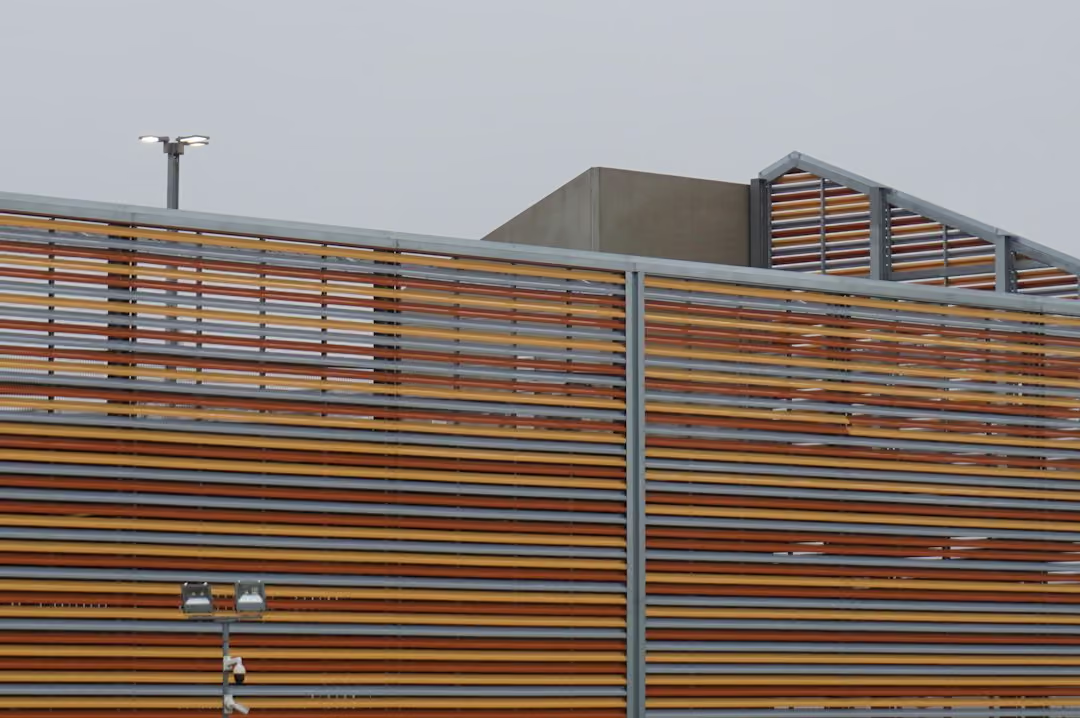
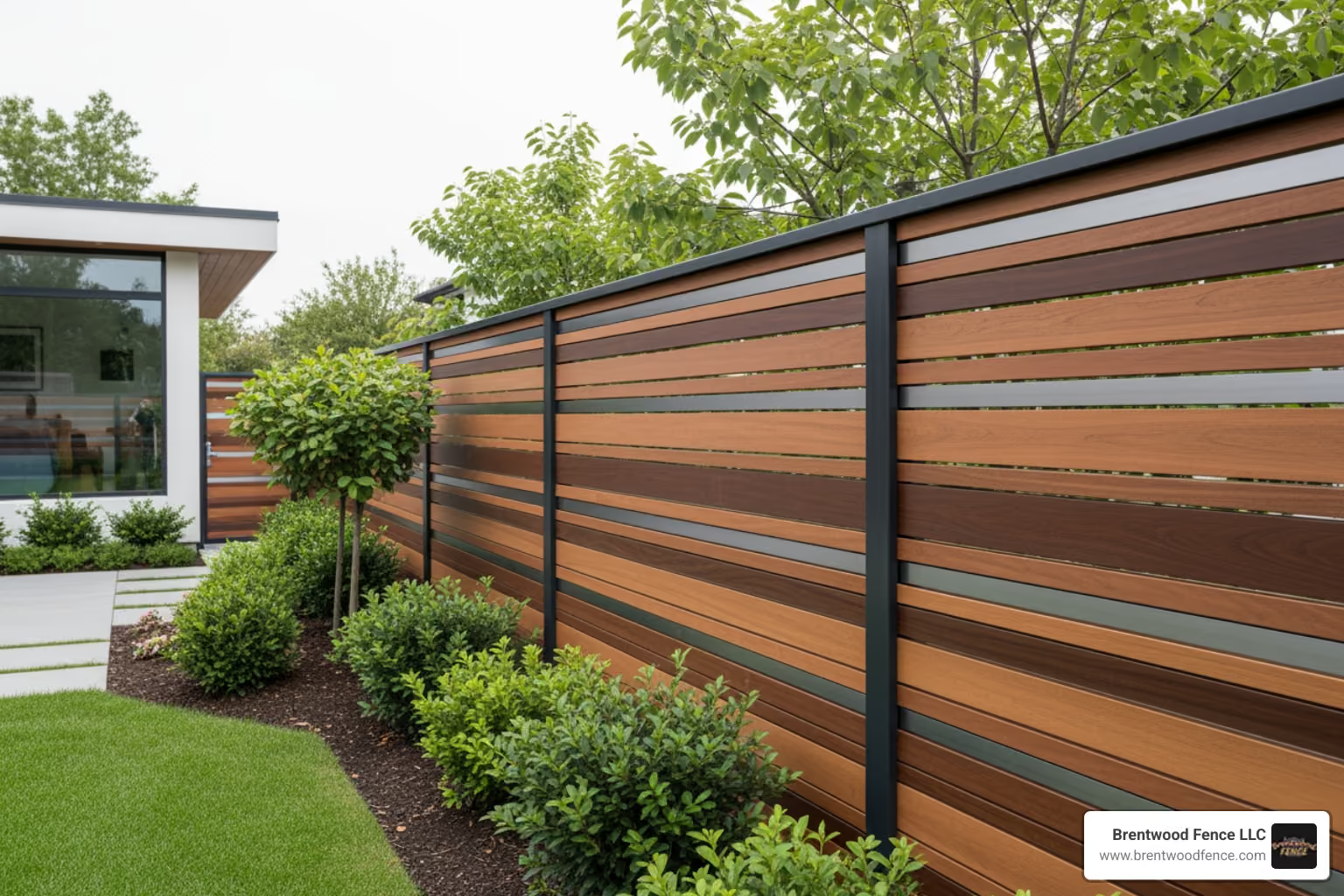
Horizontal Slats: Instead of crisscrossing thin strips, modern lattice often uses thicker horizontal wood slats spaced closely together. This creates a sleek, venetian-blind effect that looks incredible behind outdoor dining sets or modern fire pits.
Square Grids: A square grid pattern (where the wood strips cross at perfect 90-degree angles rather than 45-degree diamonds) offers an instant Asian-zen or craftsman-style vibe.
Dark Paint and Color Blocking: Painting your lattice a deep charcoal, rich black, or dark forest green does something magical. Dark colors make the physical structure of the fence seem to recede into the background, highlighting the green foliage of your plants. It creates a high-end, designer look with minimal extra effort. You can find beautiful visual inspiration for these layouts by browsing 44 lattice privacy screen ideas on Pinterest.
Budget-Friendly Lattice Privacy Wall Ideas
Achieving great privacy doesn't have to break the bank. If you want to keep costs manageable while still upgrading your yard, there are several smart approaches:
Pre-made Panels: Utilizing standard, mass-produced 4x8-foot lattice sheets is far more economical than having a carpenter build custom-spaced grids from scratch.
Pressure-Treated Pine: While cedar is the gold standard for longevity, high-quality pressure-treated pine is a highly durable, cost-effective alternative. When properly stained or painted, it looks fantastic and resists rot and insects for years.
Strategic Placement: You don't need to surround your entire property line. Often, installing a single, well-placed 6-foot or 8-foot panel right next to your patio table is all it takes to block your neighbor's second-story window. For more creative, cost-effective inspiration, read through these clever DIY lattice privacy screen ideas.
Living Green Walls and Plant Integration
If you love gardening, a lattice wall is the ultimate canvas. Combining hardscaping with lush greenery softens the look of your yard and creates a true garden sanctuary.
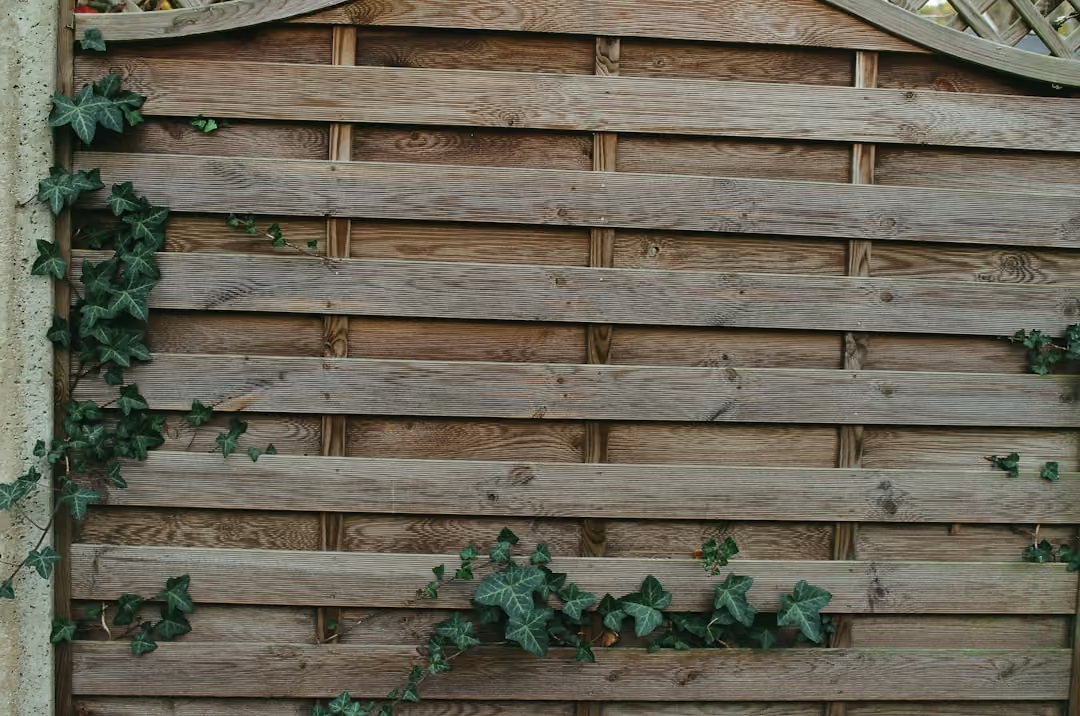
Climbing Ivy and Vines: Fast-growing evergreen vines like English ivy or winter-hardy clematis can be trained to weave through the lattice openings. Over two or three seasons, they will completely fill in the gaps, creating a thick, living wall of green.
Fragrant Climbers: In southern parts of our New England service area, like Haverhill, MA, or coastal Dover, NH, planting fragrant climbing jasmine or honeysuckle against your lattice wall will fill your evening patio sessions with incredible aromas.
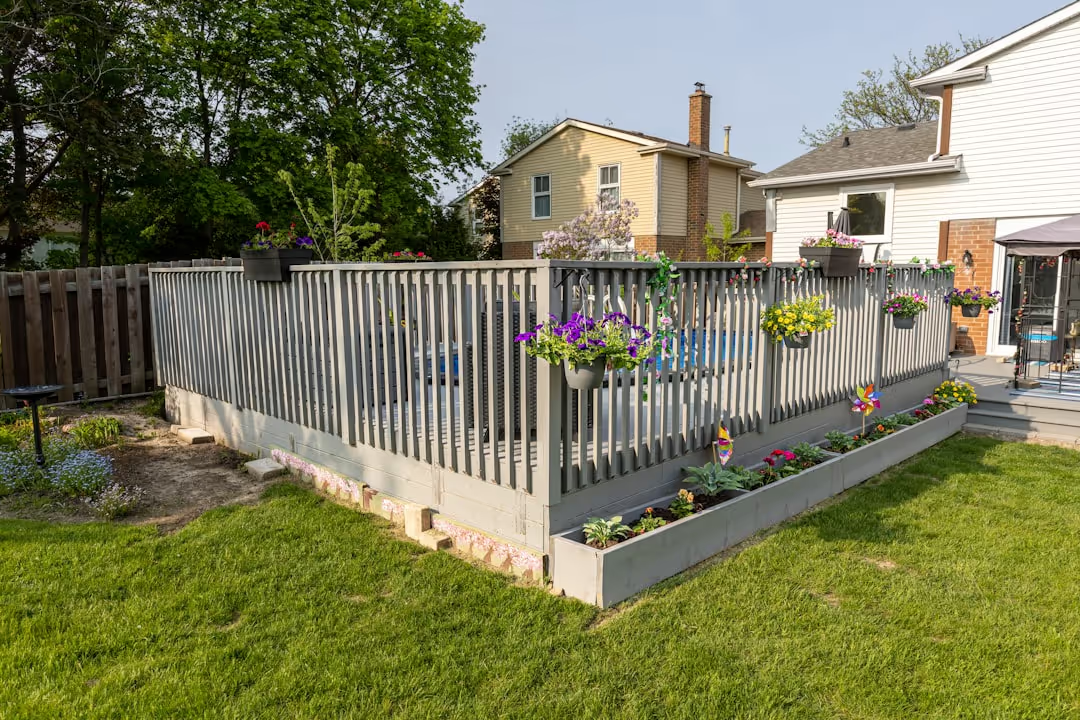
Hanging Planters: You can easily mount small plastic or terracotta planters directly onto the sturdy intersections of your lattice frame. Planting these with bright annuals, cascading petunias, or fresh kitchen herbs adds color, depth, and extra visual blockage. This technique is beautifully detailed in our guide on creating a privacy wall with tall wood lattice panels.
Small Space and Deck Privacy Solutions
Urban environments, townhomes, and tight side yards require a delicate touch. You want privacy, but you can't afford to lose precious square footage or block out the limited sunlight reaching your windows.
Deck Railing Extensions: If your deck sits high off the ground, neighbors can easily see you over standard railings. Adding a 2-foot or 3-foot lattice topper to your existing deck railing is a lightweight way to block sightlines without making your deck feel like a wooden box.
L-Shaped Corner Screens: Creating a small L-shaped lattice screen in the corner of a townhome patio defines a cozy seating nook, blocks wind, and hides unsightly necessities like AC units or trash bins.
Freestanding and Portable Screens: For renters or those who want seasonal flexibility, freestanding lattice panels mounted on heavy planter boxes can be moved around as needed to block the sun or a neighbor's view. To see how these compact designs can transform tight spaces, explore our article on backyard privacy design.
Material Selection and Maintenance for Lattice Screens
Choosing the right material is critical, especially given the unpredictable New England weather. From freezing, snowy winters in Concord, NH, to hot, humid summers in Derry, NH, your lattice wall needs to stand up to moisture, UV rays, and temperature swings.
Here is a quick comparison of the most common materials used for lattice privacy screens:
Incredible durability, wood-like texture, zero rot
Expensive; heavy panels require strong framing
Wood Lattice: Cedar, Redwood, and Pine
Wood remains the most popular choice for its unmatched organic beauty and warmth. However, not all wood is created equal.
Western Red Cedar & Redwood: These are the premium choices for outdoor construction. They contain natural oils that resist decay, rot, and insect attacks. Cedar has a gorgeous grain pattern and weathers over time to a classic silvery-gray if left unfinished, though most homeowners prefer to seal it to preserve its warm, reddish-brown tones.
Pressure-Treated Pine: A highly durable and budget-friendly option. Modern pressure-treatment processes protect the wood from rot and termites, making it perfect for ground-contact posts. It must be allowed to dry completely before you apply paint or stain.
Maintenance Needs: To keep wood lattice looking its best, we recommend an annual wash to remove dirt and mold, followed by a fresh coat of penetrating stain or sealer every two to three years. Keeping the bottom of the lattice panels elevated 2 to 4 inches off the damp ground will also prevent moisture from wicking up into the end grains, extending the life of your wall significantly. For more wood-specific design inspiration, take a look at our privacy fence ideas NH MA ME.
Vinyl and Composite Lattice
If the idea of scraping, staining, or painting wood every few years makes you want to stay indoors, modern synthetic materials are your best friend.
Vinyl (PVC): High-quality vinyl lattice panels are incredibly tough. They won't absorb moisture, meaning they will never rot, peel, split, or warp. They are also infused with UV inhibitors to prevent fading and yellowing in the sun. Cleaning is as simple as spraying them down with a garden hose once a season.
Composite: Made from a blend of recycled wood fibers and plastic, composite lattice offers the best of both worlds. It gives you the textured, high-end look of real wood with the zero-maintenance durability of plastic. Brand-name panels like DuraShell utilize solid-core construction, making them incredibly strong and resistant to sagging under the heavy weight of climbing vines.
Professional Installation, Zoning, and HOA Considerations
While a small, decorative trellis can be a fun weekend project, building a full-scale, structural privacy wall requires precision, heavy lifting, and specialized tools. To ensure your investment stands straight and true for decades, professional installation is highly recommended. You can learn more about the steps involved by reading our comprehensive privacy fencing installation guide.
DIY vs. Professional Installation
It is easy to underestimate the structural demands of an outdoor privacy wall. Without proper support, wind loads and the heavy weight of mature wet vines can cause panels to sag, lean, or collapse entirely.
Post Setting: The foundation of any strong wall is the posts. In New England, posts must be set deep enough to get below the frost line—typically 36 to 48 inches deep in places like Exeter, NH, or Manchester, NH. If posts aren't set deep enough in concrete, winter freeze-and-thaw cycles will push them out of the ground, ruining your wall's alignment.
Structural Integrity: Professional installers use heavy-duty galvanized fasteners, ensure perfect level and plumb lines, and properly frame the lattice panels. Framing is crucial; sandwiching the lattice sheets between sturdy 2x4 rails prevents the panels from bowing over time.
Efficiency: What might take a homeowner several weekends of frustration, digging, and trips to the home improvement store can be completed by local privacy fence installers in a fraction of the time, with guaranteed craftsmanship.
Zoning Laws and HOA Rules
Before we dig a single hole, there are important administrative steps that must be taken to avoid costly mistakes.
Property Lines: Never guess where your property boundary is. A professional installer will always recommend a property survey or locating your official boundary pins to ensure your new privacy wall doesn't accidentally encroach on your neighbor's land.
Height Restrictions: Most municipalities in New Hampshire, Massachusetts, and Maine have strict height limits for residential fences and privacy screens—often capping them at 6 feet in backyard areas and 4 feet in front yards. Going taller usually requires a special variance or permit.
HOA Guidelines: If you live in an HOA-governed community in areas like Dover, NH, or Derry, NH, there may be strict rules regarding approved materials, paint colors, and placement of privacy screens. Working with an experienced privacy fence contractor NH MA ME ensures your project complies with all local building codes and neighborhood regulations from day one.
Frequently Asked Questions About Lattice Privacy Walls
To help you make the most informed decision for your property, we've gathered and answered some of the most common questions homeowners ask us about lattice structures. For an even deeper dive into your options, check out our resource on the best privacy fence options NH MA ME.
How much privacy does a lattice wall actually provide?
On its own, standard diagonal lattice blocks about 60% to 70% of direct sightlines. This is perfect for diffusing views while keeping your yard feeling open and bright. If you require more seclusion, you can choose a "privacy-weave" lattice, which features tighter 1-inch openings that block 70% to 80% of views. For near-total privacy (90% to 95%), training dense climbing vines across the lattice or layering two panels slightly offset from one another will completely block the view while still allowing refreshing breezes to pass through.
What are the best climbing plants for a lattice privacy screen?
For year-round, evergreen privacy in our New England climate, English ivy and winter-creeper are highly reliable. If you prefer seasonal color and incredible fragrance, climbing clematis, honeysuckle, and climbing hydrangea are fantastic deciduous options that bloom beautifully throughout the spring and summer. Just be sure your lattice frame is robustly built, as mature vines can weigh between 20 and 50 pounds when wet!
How do I maintain my lattice privacy wall over time?
Maintenance depends entirely on your chosen material. Wood walls should be inspected annually for loose fasteners or signs of rot. We recommend washing them down with mild soap and water to remove dirt and mildew, and reapplying a protective stain or sealant every two to three years. Vinyl and composite walls require almost no maintenance—simply spray them with a garden hose once a season to keep them looking brand new. Additionally, keep any climbing plants pruned so they don't grow under shingles or damage nearby structures.
Conclusion
A beautiful, professionally installed lattice privacy wall is one of the smartest upgrades you can make to your home. It perfectly balances the need for personal seclusion with the desire for a bright, breezy, and inviting outdoor living space. Whether you are looking to block a neighbor's view of your deck in Portsmouth, NH, create a cozy garden nook in Exeter, NH, or add modern style to your patio in Haverhill, MA, we are here to help bring your vision to life.
As a premier privacy fence installation company, Brentwood Fence LLC has decades of experience designing and installing beautiful, durable, and code-compliant privacy solutions throughout New Hampshire, Massachusetts, and Maine. We handle everything from securing permits and verifying property lines to digging deep, frost-resistant post holes and crafting flawless custom frames.