Blog Content

25
Sep
2026

The best privacy fence installation companies provide more than panels and posts. They inspect the site, explain material options, give a clear written estimate, confirm permit or HOA needs, and stand behind the work with a meaningful warranty.
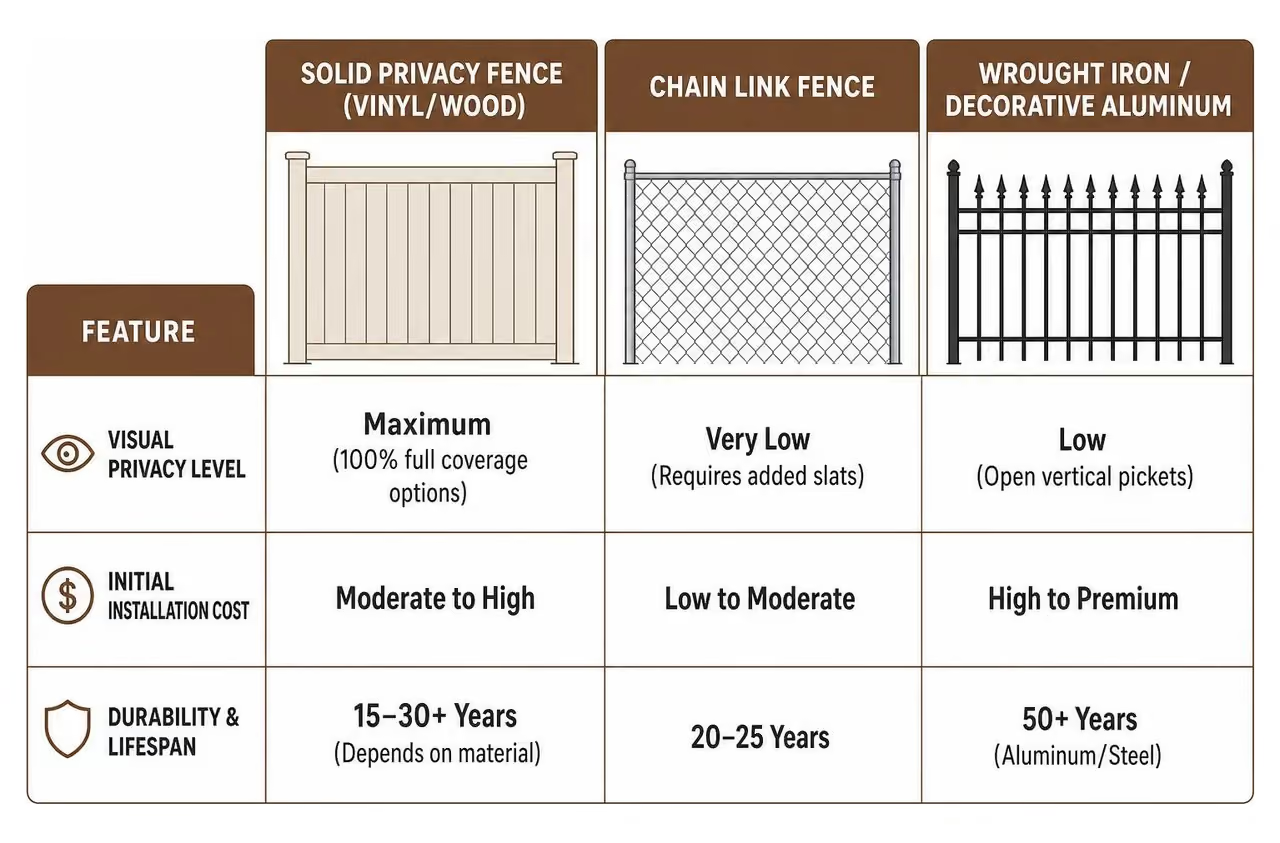
For most homeowners, the right choice comes down to four comparisons:
A well-installed privacy fence can create a more secure backyard, block unwanted views, soften some noise, define property lines, and improve curb appeal. This guide compares the costs, materials, installation process, and warranties that help homeowners make a confident decision.
I'm Rob Thibeault, and I'll help you understand what to ask before hiring a professional fence installer.
Relevant articles related to privacy fence installation companies:
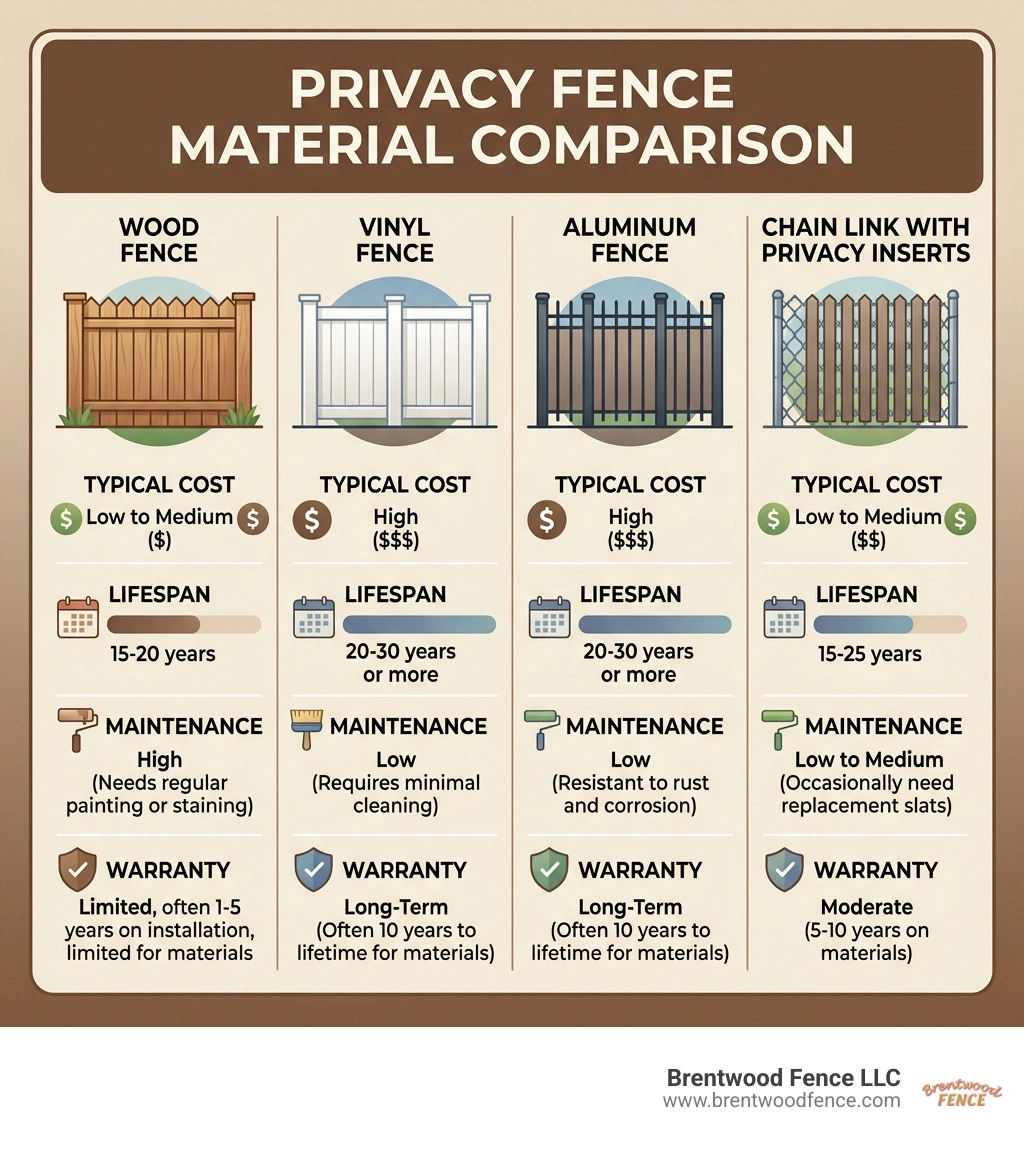
Choosing the right fencing material is one of the biggest decisions you will make when planning an enclosure. The ideal choice balances upfront budgeting, long-term maintenance requirements, aesthetic harmony with your home, and resistance against harsh seasonal elements.
Wood delivers a warm, traditional aesthetic that complements established landscapes. Natural cedar contains organic oils that resist moisture, decay, and insect damage, making it a reliable choice for custom horizontal or vertical board-on-board designs. Pressure-treated pine serves as an economical alternative, though it is more prone to warping, twisting, or checking as humidity fluctuates. Maintaining a wood fence requires periodic pressure washing, followed by high-quality stains or sealants every two to three years to prevent moisture absorption and sun bleaching.
For homeowners seeking exceptional durability with minimal weekend chores, options for vinyl privacy fence installation are among the most popular modern upgrades. Premium PVC panels will not rot, splinter, flake, or peel. Advanced UV inhibitors prevent discoloration over decades of intense sun exposure. While vinyl requires a higher initial investment than economy-grade wood, the absence of annual staining or replacement pickets significantly lowers the lifetime cost of ownership.
For structural integrity on challenging properties, hybrid configurations combine the visual seclusion of privacy boards with heavy-duty metal framework. Systems like PostMaster+ hidden steel posts provide wind load resistance of over 70 mph while remaining concealed behind wood or composite infill pickets. Powder-coated aluminum panels or heavy-duty galvanized chain link outfitted with high-density privacy slats deliver perimeter security and weather endurance without rusting or corroding over decades of service.
Hiring the right fence installation team requires looking past flashy sales pitches to examine verifiable credentials, engineering standards, and business transparency.
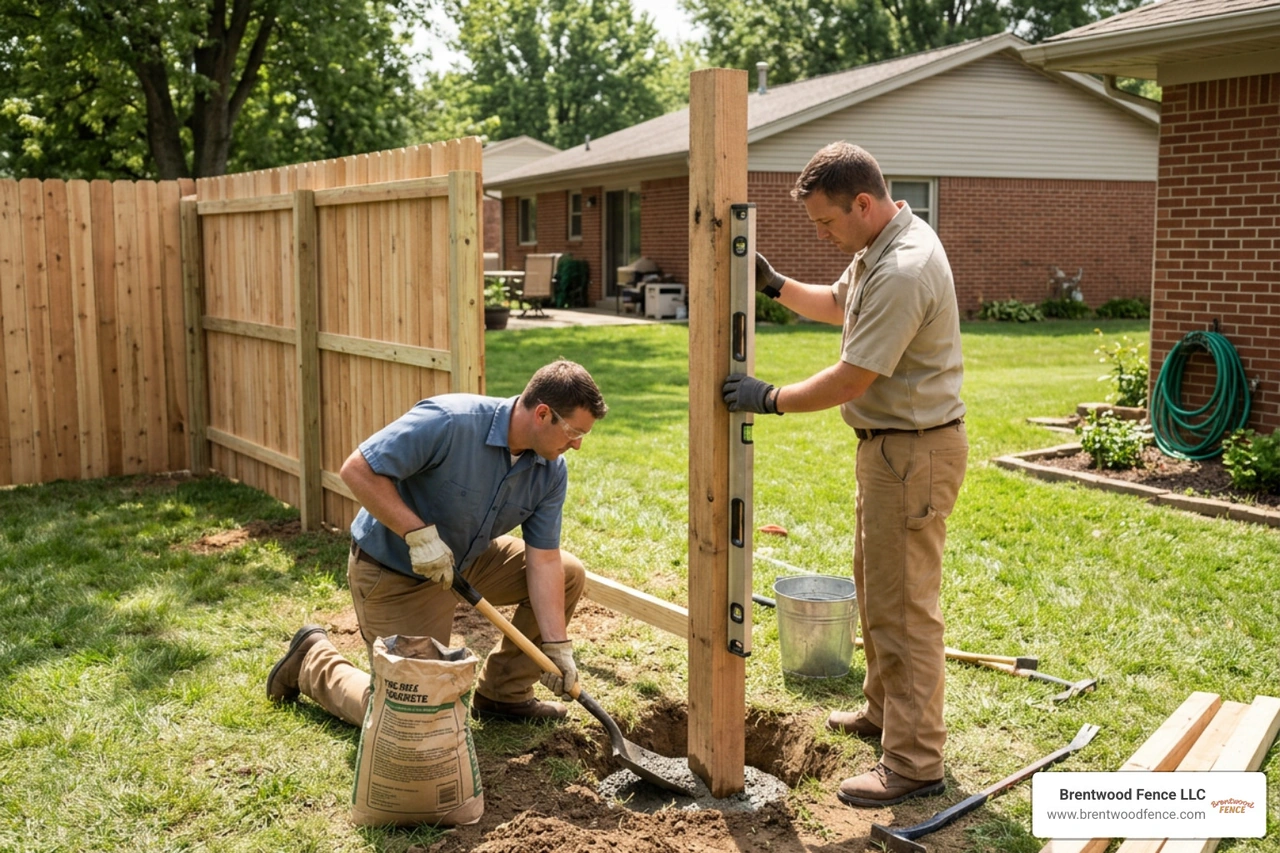
When vetting local contractors, verify that the business maintains comprehensive general liability and workers' compensation coverage. A reputable contractor will provide written proof of insurance upon request. Additionally, check for:
A warranty is only as strong as the company standing behind it. Review both facets of your warranty coverage before signing:
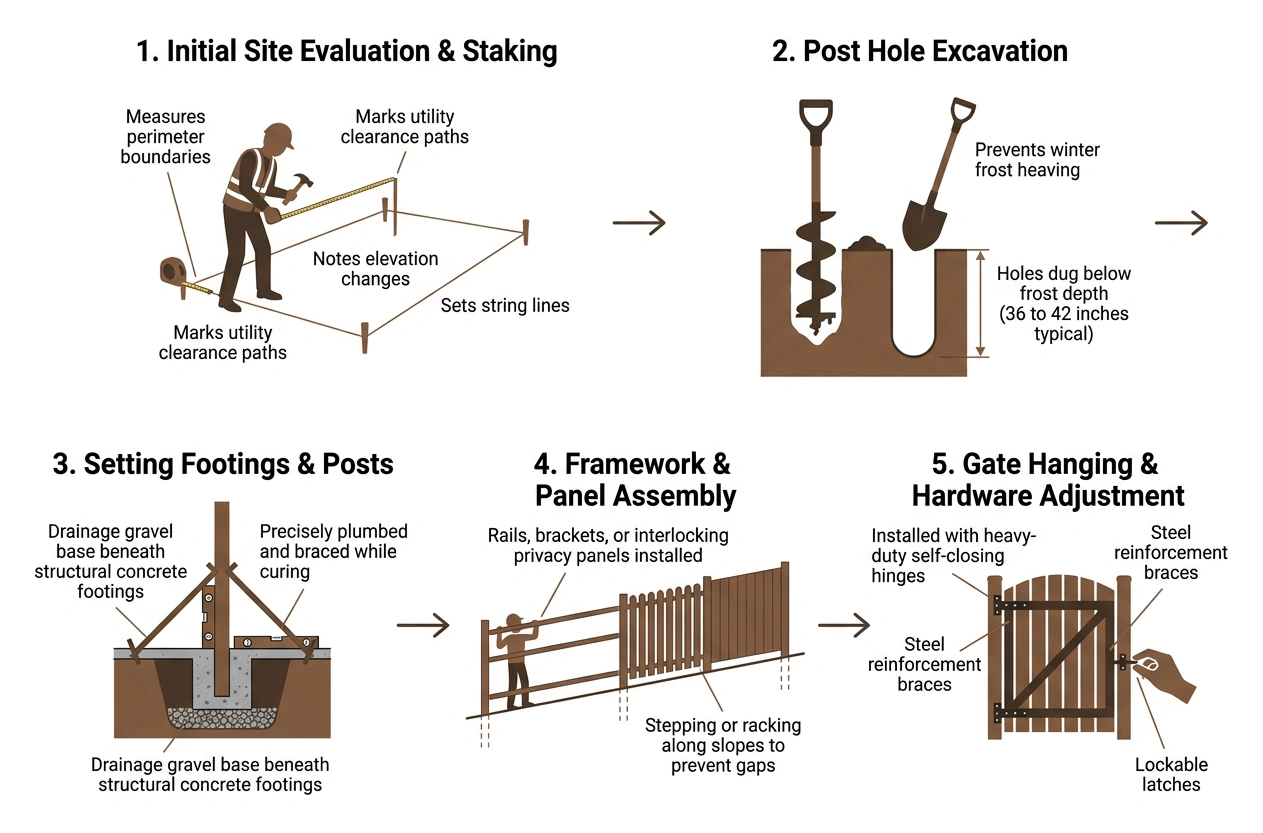
Understanding the installation process helps you set clear expectations and monitor the quality of construction on your property.
Before any digging begins, local municipal codes and HOA regulations must be addressed. Most municipalities permit residential side and rear privacy fences up to 6 feet tall without special variances, while front setback limits typically cap heights at 4 feet. Corner properties often require sight-triangle clearances to prevent blocking roadway sightlines for motorists. Professional fencing contractors regularly assist with permit applications and provide Architectural Review Committee (ARC) submission drawings to expedite HOA approvals.
Most residential privacy fence projects take between 1 and 3 days of active field work, depending on linear footage and terrain complexity.
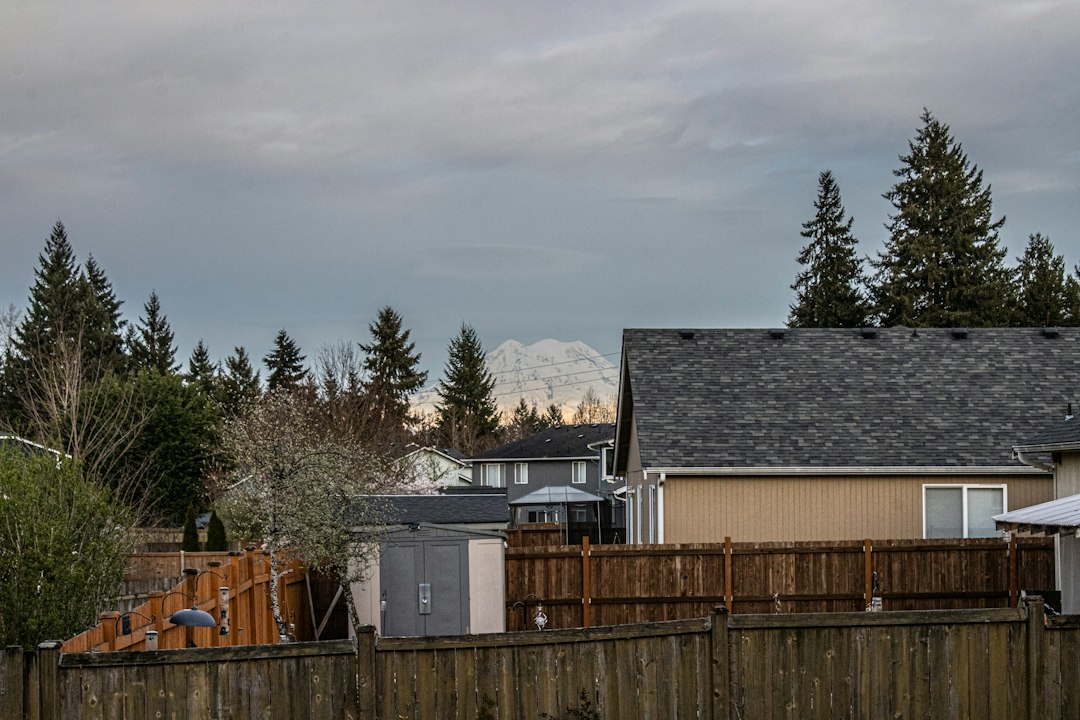
Avoid these common installation mistakes when planning your fence project:
A standard residential privacy fence of 150 to 250 linear feet typically takes 1 to 3 days to install. Day one focuses on post hole excavation and concrete setting. After the concrete footings have cured adequately, crews return on day two or three to install panels, rails, pickets, and gate hardware. Inclement weather or ledge rock can add extra time.
Yes, full-service fence installation contractors frequently manage local municipal building permit filings and assemble architectural packets for HOA committees. Be sure to confirm whether permit procurement is included in your contract scope during the initial quote.
Vinyl and powder-coated aluminum fences require little more than an annual rinse using a garden hose, warm water, and mild dish soap to remove dirt and pollen. Wood fences require inspections every spring for loose fasteners, followed by washing and resealing or staining every two to three years. Ensure gate hinges are lubricated periodically and keep heavy vegetation trimmed back from fence bottoms to prevent moisture buildup.
Installing a privacy fence transforms your backyard into a safe, quiet, and protected retreat for your family. By selecting durable materials, verifying contractor licensing and warranties, and ensuring proper post depth construction, you protect your property investment for decades to come.
When you are ready to enhance your home's security, privacy, and curb appeal, schedule your privacy fence consultation with Brentwood Fence LLC to explore tailored solutions built for lasting performance.
Copyright 2022 Brentwood Fence | All Rights Reserved | Sitemap | Website by Plumb Development a Digital Marketing Agency