Blog Content

29
Dec
2025
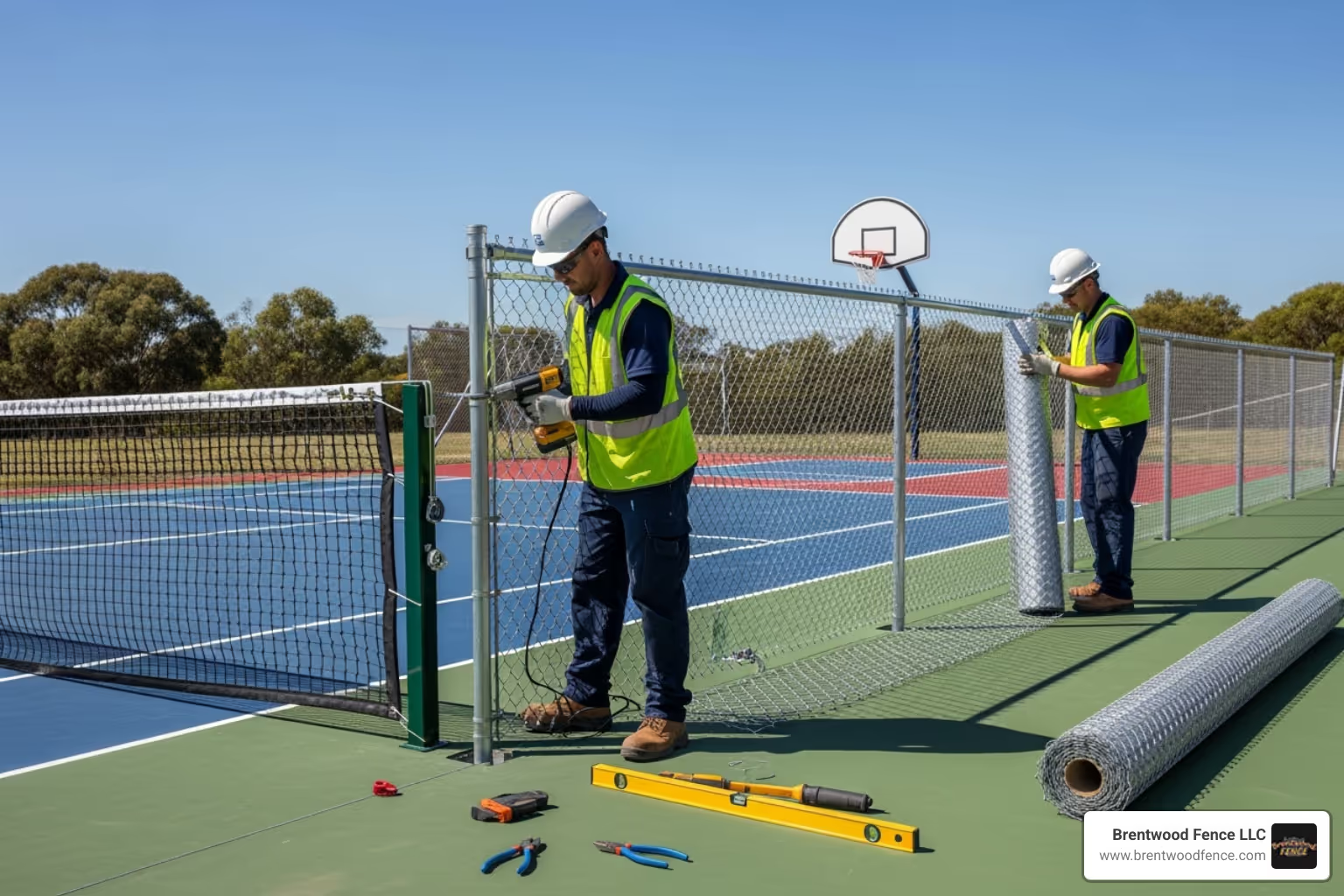
Sports Court Fencing Installation is essential for any athletic facility. A properly installed fence contains balls, protects players and spectators, prevents unauthorized access, and creates a professional-looking space that improves property value.
Quick Overview: What Sports Court Fencing Installation Includes
The right fence does more than mark a boundary. Chain-link fencing is the industry standard for athletic courts because it's cost-effective, durable, and provides excellent visibility. It prevents game disruptions by keeping balls on the court and protects your investment by securing the facility.
However, not all installations are the same. Height requirements vary by sport—tennis courts need 10-12 feet behind baselines, basketball courts require 10-16 feet, and pickleball courts work best with 10-12 feet. Local building codes also add a layer of complexity.
This guide covers the complete sports court fencing installation process, from planning and material selection to professional techniques and maintenance. Understanding these fundamentals helps you make informed decisions, ensuring your project meets safety standards and stays within budget.

A successful installation begins with a solid plan. Before breaking ground, it's crucial to define your project's goals, understand your material options, and consider the specific needs of your court. This initial phase ensures your new fence meets functional, regulatory, and budgetary requirements.
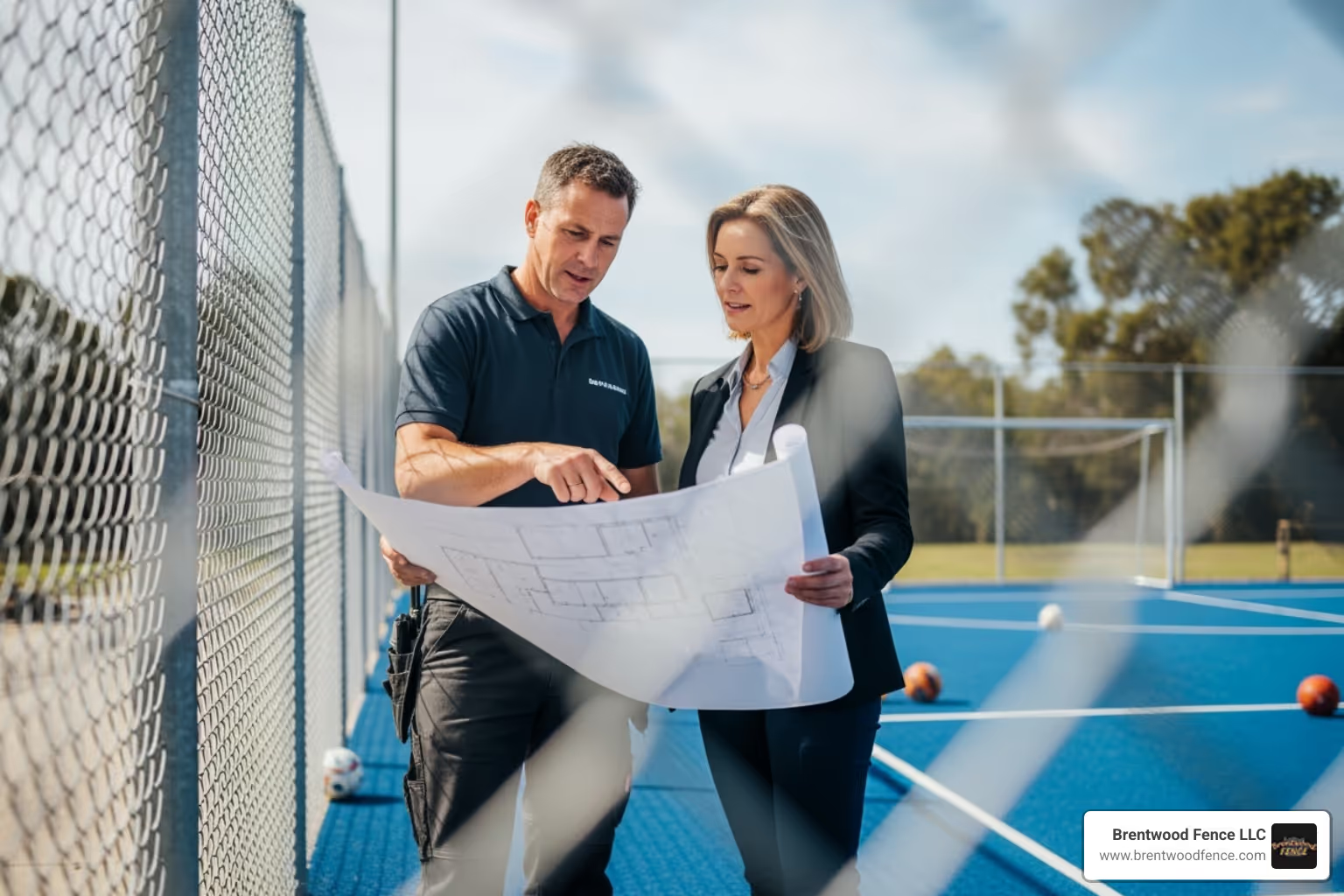
Start by defining the primary purpose of your fence. Is it mainly for ball containment, security, privacy, or aesthetics? Your answers will guide material selection and design choices.
Material selection impacts durability, appearance, and long-term maintenance. Chain-link fencing is a popular choice, but other options offer unique benefits.
Chain-link fencing is the go-to solution for most sports courts due to its affordability, durability, and excellent visibility. It comes in different gauges and coatings. Galvanized chain-link resists rust, while vinyl-coated chain-link adds color options (typically black or green) and extends the fence's lifespan.
For high-impact sports or improved security, welded wire mesh offers superior strength and rigidity. It's built with thicker wire welded at every intersection, creating a more impact-resistant barrier at a higher upfront cost.
Vinyl fencing provides a more residential look and requires minimal maintenance, but it's generally pricier and can crack under heavy impact, making it less suitable for sports like basketball.
Here's how these materials compare:
Most clients choose chain-link or vinyl-coated chain-link for its balance of performance, cost, and longevity.
Different sports have unique requirements for ball containment and player safety. Fence height is a critical factor, and it's also important to consult local building codes.
Beyond these guidelines, local regulations are critical. Building codes vary by municipality and cover everything from maximum heights to setback requirements from property lines. Before finalizing plans, we recommend checking the Fence Building Rules in Massachusetts. Skipping this step can lead to costly delays or modifications. A quick call to your local building department can save major headaches.
While some projects can be tackled DIY, the precision required for sports court fencing demands professional expertise. A professional installation ensures structural integrity, safety, and a finish that lasts. Here are the key steps a professional team follows for a seamless Sports Court Fencing Installation.
Proper prep work is the foundation of a sturdy fence. The first step is to confirm property lines, ideally with a professional survey to avoid disputes. Our crew then performs layout marking, precisely marking the locations for all posts to ensure proper spacing and alignment.
Before any digging, we call Dig Safe to locate and mark underground utilities like gas, water, or electrical lines. This is a crucial safety step required by law. Finally, the fence line must be cleared of brush, trees, and other obstructions to provide a clean, safe workspace.
The posts are the backbone of the fence, and they must be set correctly in concrete to withstand impacts and weather. This step is critical for the fence's structural integrity.
We begin by digging footer holes to a depth and diameter calculated based on fence height, soil conditions, and the local frost line. In New England, this prevents frost heave from compromising the fence's stability.
Terminal posts (at corners, ends, and gates) bear more tension and require larger footings. They are set first to ensure they are perfectly plumb and aligned. Gate posts are spaced to accommodate hinges and latches. Terminal posts are set slightly higher than line posts for a professional finish and proper top rail installation.
Next, we pour concrete around each post, continuously checking that it remains perfectly vertical. We allow a minimum of 3 days for the concrete to cure. This patience is essential, as properly cured concrete ensures the posts will remain stable for years.
Once the concrete has cured, the framework and fencing material are installed. This step requires specialized tools and techniques to create a taut barrier that won't sag.
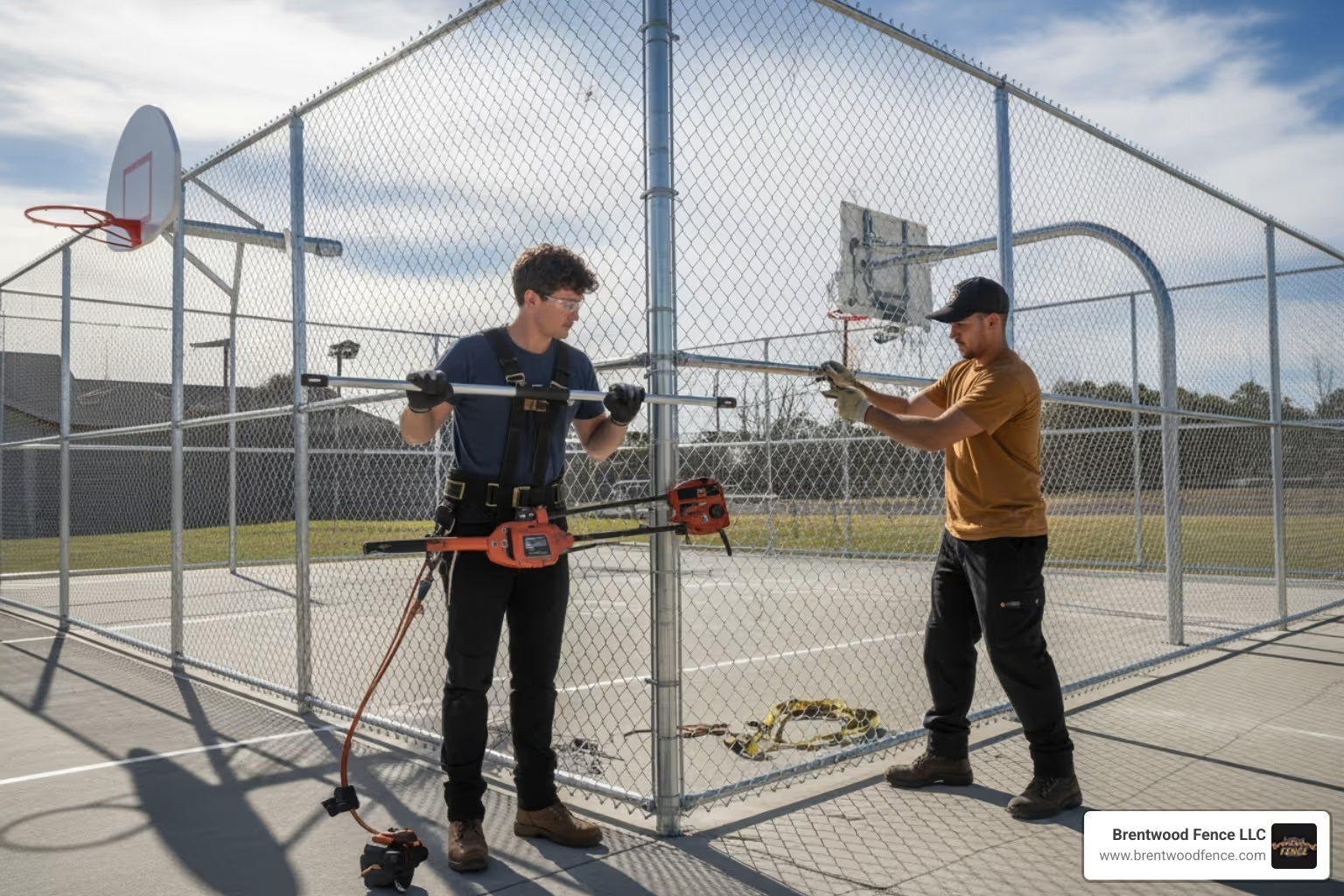
The top rail is installed first, connecting the line posts to create a continuous, rigid framework. For taller fences, middle or bottom rails may be added for extra support.
We then attach tension bands to the terminal posts, which will hold the tension bar and keep the fabric taut. The key step is stretching the fabric using specialized tools. We pull the chain-link to the correct tension—tight enough to prevent sagging but with enough give to absorb impacts. The top of the fabric is positioned just above the top rail for a clean look.
Finally, we secure the fabric with wire ties, spaced approximately 24 inches apart on the top rail and 12 inches apart on the posts. This careful spacing holds the fabric firmly in place, completing the professional-grade enclosure.
A fence can be more than a barrier. Modern Sports Court Fencing Installation offers many ways to customize your court, improving gameplay, aesthetics, and player comfort.
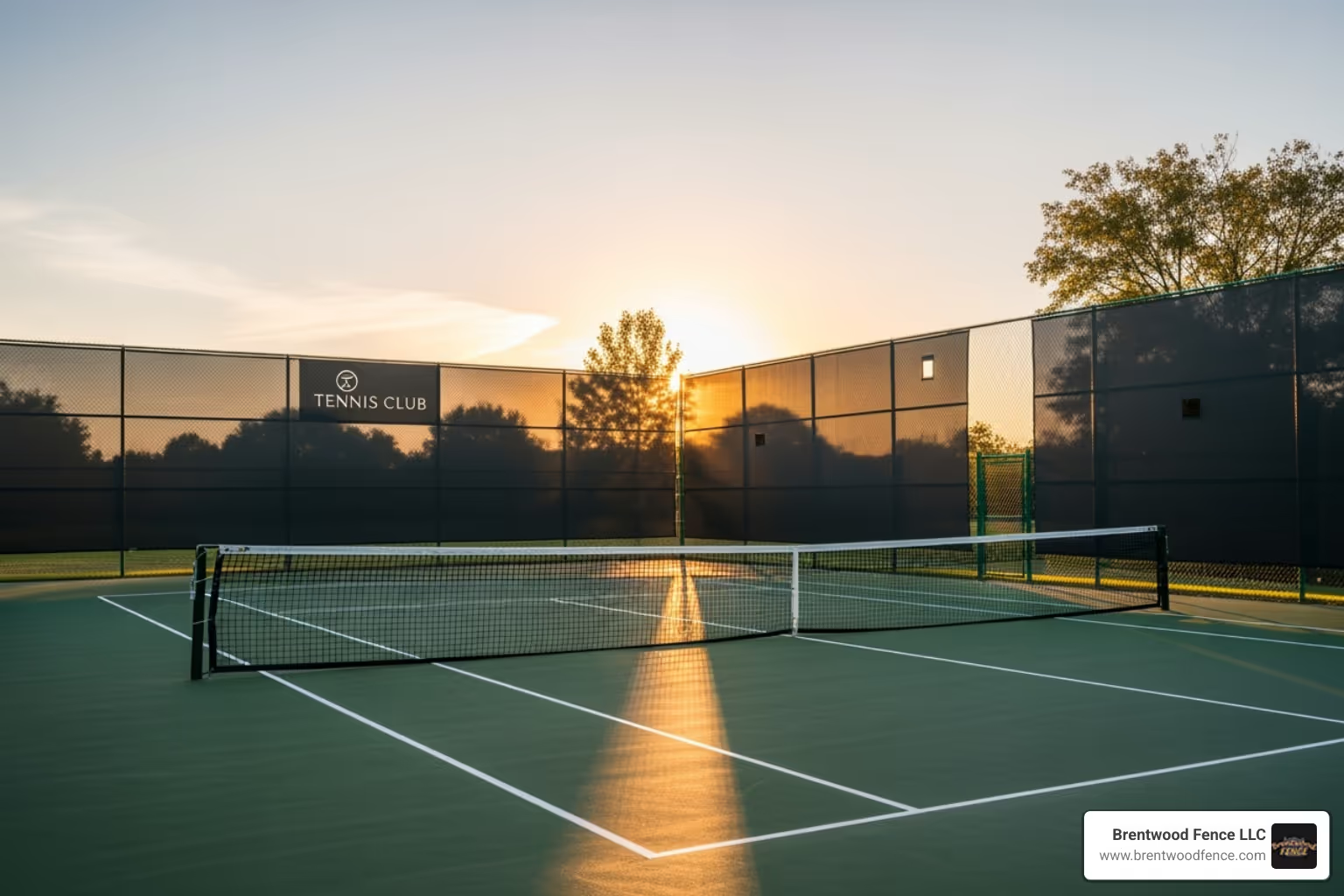
Proper gate installation is crucial for convenient and safe access. For most courts, a single walk gate is sufficient for player traffic. For facilities requiring access for maintenance vehicles, double drive gates provide a wider opening.
Hardware is just as important. We install durable latches and hinges designed for heavy outdoor use. For added security, hinges can be installed to prevent the gate from being lifted off. You can learn more in A Complete Guide to Chain Link Gates. For facilities needing tighter control, we can integrate access control features like smart locks or keypads.
With the right customization, your fence can become part of the playing experience.
A well-installed fence is a long-term investment. Proper maintenance and relying on professional service will protect that investment and keep your court safe and attractive for years.
Modern sports court fencing is designed for low maintenance, but regular checks can prevent minor issues from becoming major problems.
Hiring an expert for your Sports Court Fencing Installation ensures the job is done right the first time, providing invaluable peace of mind.
For most applications, heavy-gauge, galvanized, or vinyl-coated chain-link fencing offers the best combination of durability, visibility, and cost-effectiveness. It is built to resist impacts from balls and withstand weather. For professional facilities or extremely high-use courts, welded wire mesh provides superior strength and impact resistance at a higher price point.
A standard Sports Court Fencing Installation for a tennis or basketball court typically takes 3 to 5 days. The timeline can vary based on the court's size, site conditions, and weather. A crucial part of the schedule is allowing at least 3 days for the concrete post footers to cure properly, which ensures the fence's long-term stability.
Yes. One of the advantages of chain-link and welded wire mesh fencing is that they can be easily upgraded. Features like windscreens, privacy slats, and safety padding are designed to be retrofitted to an existing fence. This allows you to phase improvements over time as your budget or needs change. Most of these additions can be installed quickly with minimal disruption.
A proper Sports Court Fencing Installation is critical for creating a safe, functional, and professional athletic space. It contains the game, protects players, and improves the overall experience.
From choosing the right materials and heights for your sport to ensuring compliance with local codes, the details of installation make all the difference in a fence's longevity and performance. Relying on professional expertise is the best way to guarantee a high-quality result that will serve your court for decades.
At Brentwood Fence LLC, we bring the experience, tools, and attention to detail needed to ensure your fence is installed right the first time. We understand that every court is unique and are ready to help you build a durable, attractive enclosure.
Ready to get your court game-ready? For a comprehensive solution custom to your needs and budget, explore our sports court fencing installation services. Let's build something that lasts.
Copyright 2022 Brentwood Fence | All Rights Reserved | Sitemap | Website by Plumb Development a Digital Marketing Agency