Blog Content

16
Jan
2026
Wooden fencing remains one of the most popular choices for homeowners seeking to improve their property's security, privacy, and curb appeal. As architect Frank Lloyd Wright once said, "Wood is universally beautiful to man. It is the most humanly intimate of all materials."
Quick Guide: Why Choose Wood Fencing?
Wood fencing has deep roots in American history. By the 1880s, there were approximately 6 million miles of wooden fence across America. The first White House fence was a wooden post and rail commissioned by Thomas Jefferson in 1801.
Today, wood fencing continues to offer homeowners best value. It provides the security and privacy you need while adding natural warmth to your outdoor space. Whether you're looking to contain pets and children, define property boundaries, or create a backyard sanctuary, wood fencing delivers both function and timeless style.
The average wood fence lasts approximately 20 years with proper maintenance, making it a smart long-term investment for your property. From the natural rot-resistance of cedar to the affordability of pressure-treated pine, there's a wood fencing solution for every budget and aesthetic preference.
Simple guide to wooden fencing:
Choosing the perfect fence for your home is a big decision, and we want you to feel confident in your choice. While wooden fencing brings charm and practical benefits, its smart to understand its trade-offsespecially for properties in New Hampshire, Massachusetts, and Maine.
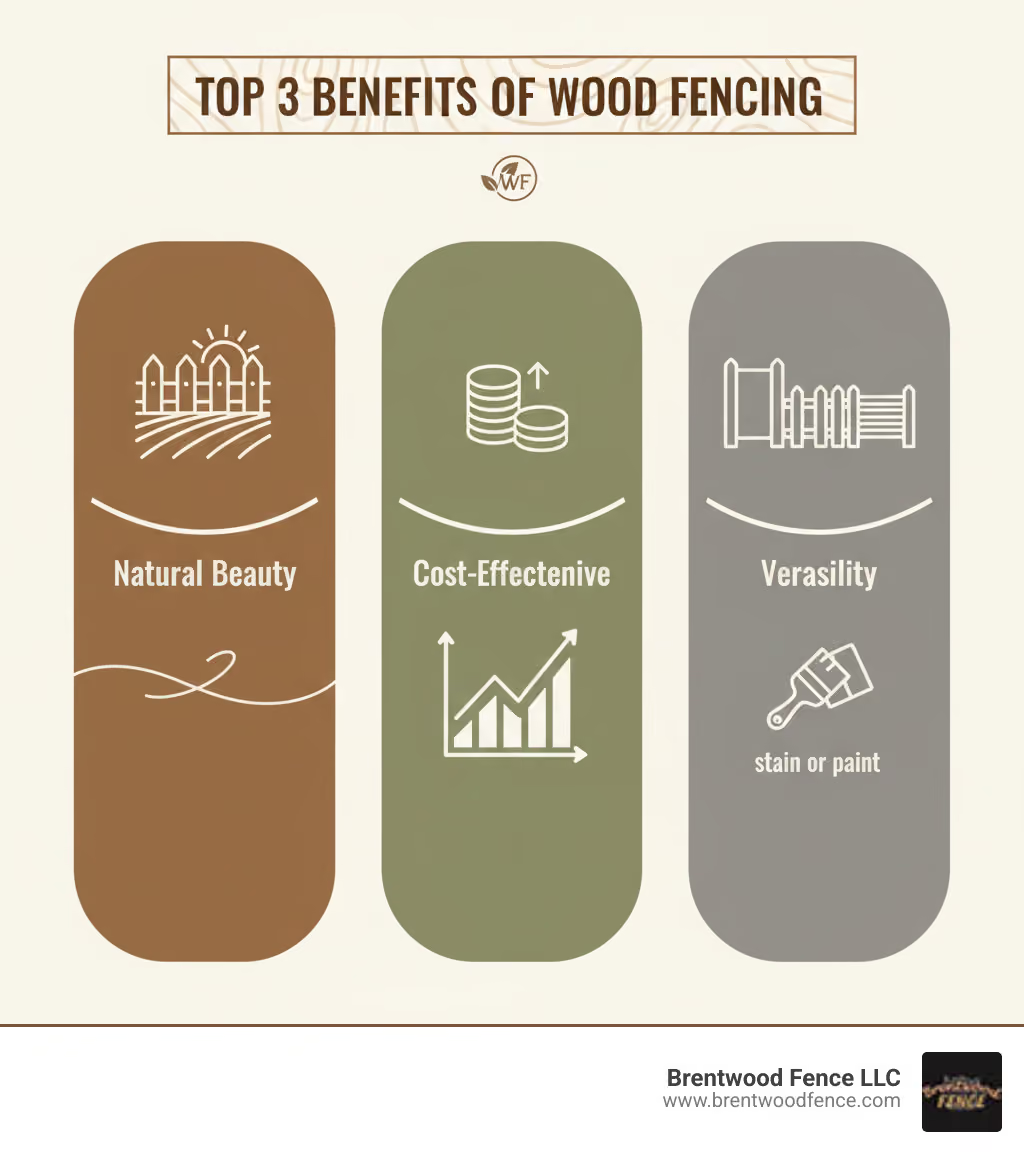
Wood offers standout aesthetic versatility. It brings a warm, natural look that suits almost any landscape, and it can be stained, painted, or left to weather naturally. Its also a cost-effective option, often carrying a friendlier upfront price while delivering strong function and curb appeal.
Wood is environmentally friendly as a renewable, biodegradable material, and it can act as a natural sound barrier, softening street or neighborhood noise. Its also easy to repair by replacing individual boards rather than entire sections, and it supports extensive customization with styles, heights, post caps, finials, and finishes.
Ready to explore options? Check out more info about residential fencing options.
Wood does require maintenance. Plan on periodic cleaning and reapplying stain or sealant to protect against weathering. As an organic material, it can be vulnerable to rot and insects, so regular inspections and protective measures matter in our climate.
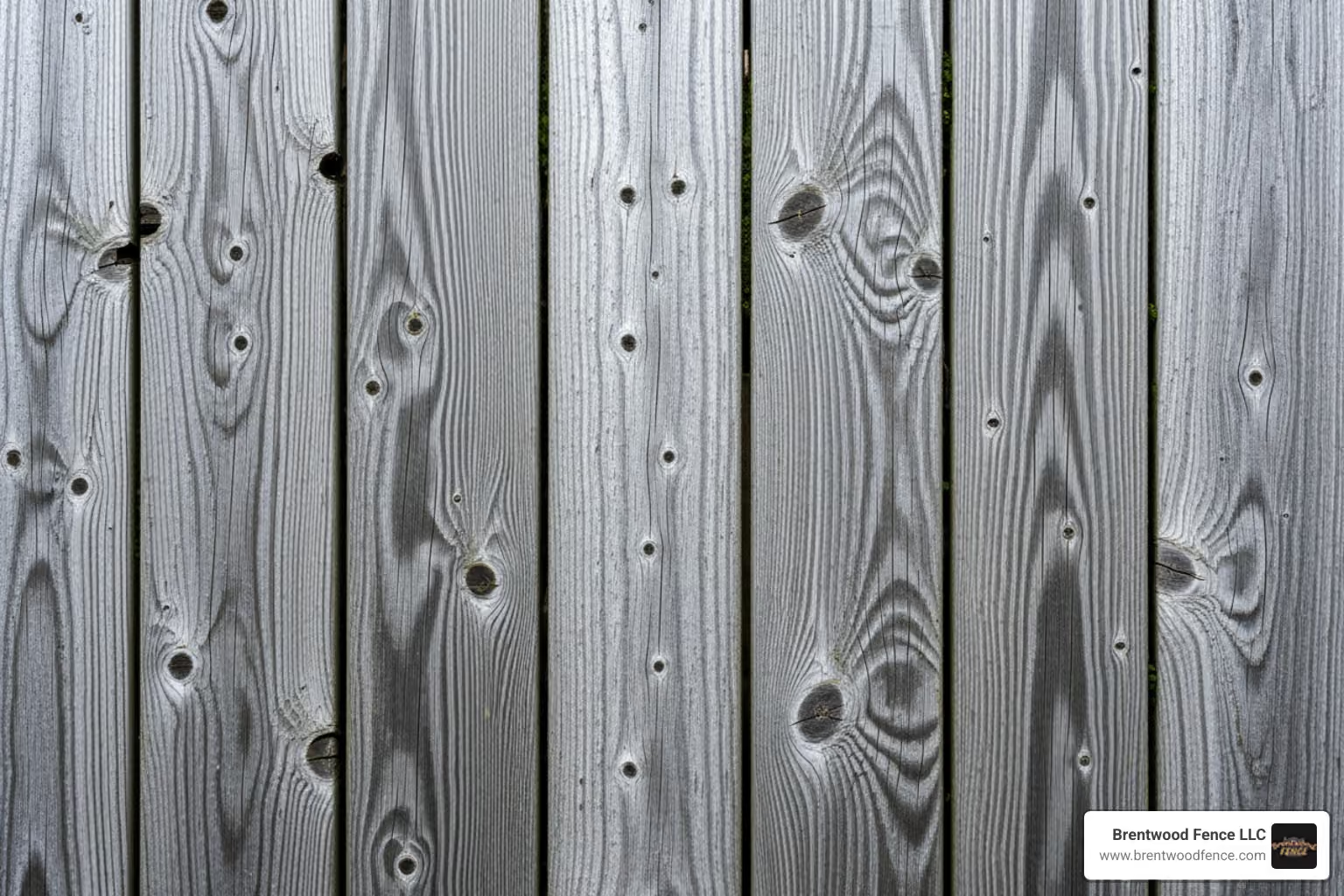
Some boards may warp or check with temperature and humidity changes. Wood also has a limited lifespan versus certain syntheticson average about 20 years with proper care. If left untreated, it naturally weathers to a silver-gray patina; sealing or staining preserves the original tone.
If issues arise, we can help. Learn about our fence repair services.
Choosing the right wood type and fence style is crucial for achieving the desired look and functionality for your wooden fencing. It’s about more than just a barrier; it's an extension of your home's personality and a functional asset to your property. We'll guide you through the most popular options available in New Hampshire, Massachusetts, and Maine.
The type of wood you select will significantly impact your fence's durability, appearance, and maintenance requirements. Let's explore the most popular choices we work with:
Cedar: This beautiful wood is a top choice for wooden fencing, renowned for its natural beauty and resilience. Cedar contains special natural oils that act as preservatives, making it inherently resistant to rot, decay, and insect damage. This is a huge plus, especially with our New England climate!
Pressure-Treated (PT) Pine: If you're looking for a highly popular and economical choice that still offers impressive durability, pressure-treated pine is a fantastic option.
To help you decide between these two excellent wood types, here’s a quick comparison:
Beyond the wood type, the design of your wooden fencing plays a significant role in its functionality and visual appeal. Let's explore some popular styles:
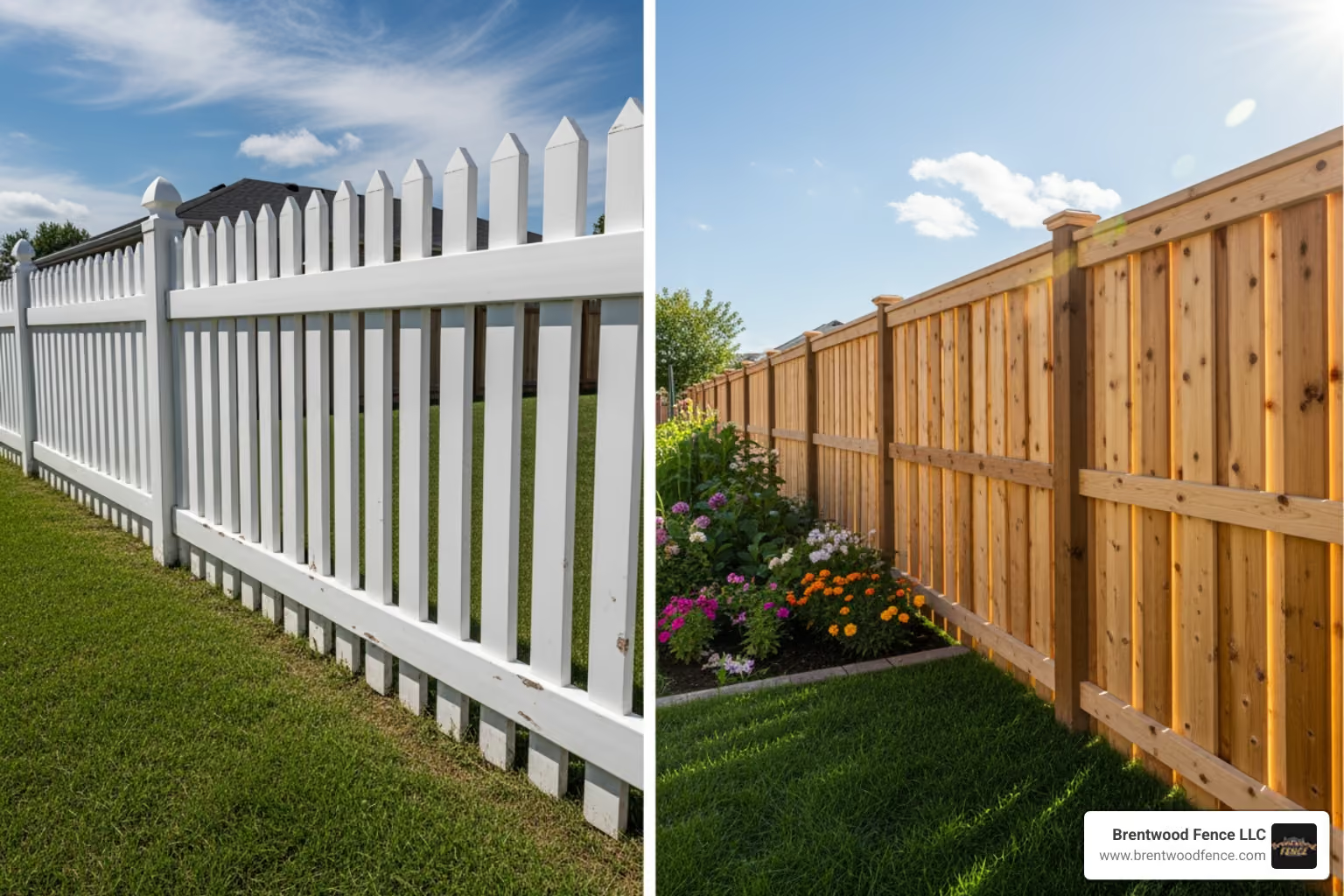
Privacy Fences are all about seclusion. These fences feature solid panels with minimal to no gaps between boards, giving you maximum privacy for your backyard retreat or to block unsightly views. Styles include:
Picket Fences are a true American classic! These charming and decorative fences typically feature evenly spaced vertical pickets, allowing for some visibility and airflow. They're perfect for framing a front yard, defining property boundaries, or adding a touch of traditional elegance without completely blocking the view. We can customize picket styles, heights, and spacing to match your vision.
Shadow Box Fences offer a beautiful solution for semi-privacy. With boards alternated on either side of the fence rails, they create a staggered effect that allows some light and airflow while still providing a sense of enclosure. It's another excellent "good neighbor" option, looking attractive from both sides.
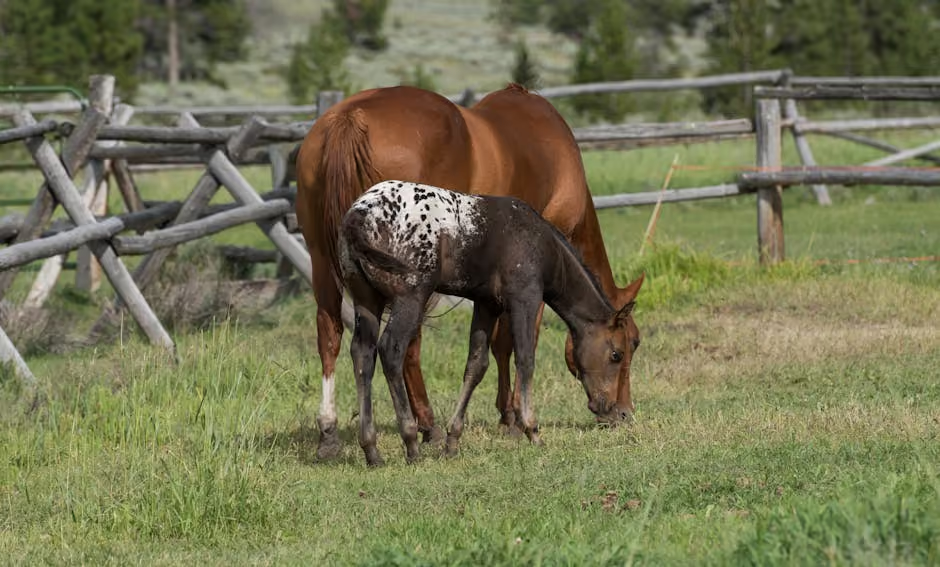
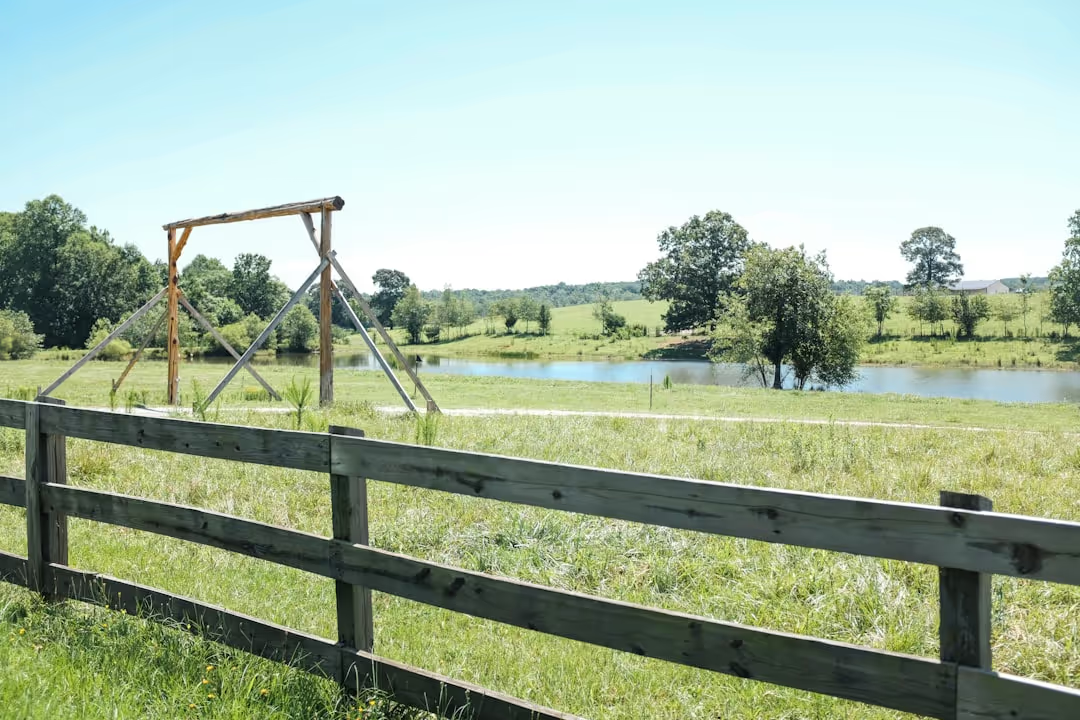
Split Rail Fences are characterized by horizontal rails fitted into routed posts, giving them a rustic, open look. They are economical and ideal for defining large properties, agricultural settings, or providing a decorative boundary where full privacy isn't needed. They’re also effective for containing larger pets or livestock.
Paddock Fences are similar to split rail fences but often appear more substantial. They are sturdy and economical, excellent for deterring livestock or simply adding a robust, rustic aesthetic to your property.
No matter the style you choose, every wooden fencing system is composed of several key parts that work together to create strength and beauty. These include the posts, which are the vertical supports embedded in the ground, forming the fence's foundation. Rails are horizontal boards that connect the posts, and to these, the pickets or panels are attached, forming the main body of the fence and defining its style and privacy level.
For access, gates are essential; they're designed to match the fence style and include hardware like hinges and latches. Caps and finials are decorative elements that sit atop the posts, helping to protect the post's end grain from weather. Sometimes, kickboards are installed at the very bottom of the fence to protect the main fence from ground moisture and debris. Finally, various hardware (fasteners, brackets, etc.) is used to secure all the fence parts together.
To dig deeper into your options, you can explore different types of wood privacy fences that we offer. For a visual breakdown of fence components, you can also refer to resources like the parts of a wood fence.
It's totally natural to wonder about the cost when you're thinking about a new fence. "How much will this beautiful addition set me back?" is often one of the very first questions we hear! While wooden fencing is usually a friendlier option for your wallet compared to some other materials, it's also true that the final price tag isn't a one-size-fits-all number. Many different things come into play, and we're here to give you clear, honest estimates for your home in New Hampshire, Massachusetts, or Maine.
When we build a wooden fencing system for you, its cost is like a recipe with several important ingredients. Each one adds a little to the final flavor – or in this case, the final price!
First, think about the fence height. A taller fence, like a 6-foot privacy fence, needs more wood and more work than a shorter 4-foot picket fence. More material means more cost. Then there's the linear footage, which is simply how long your fence needs to be. This is a big one! The more ground your fence covers, the more materials and labor it will need. We'll carefully measure your property to give you an accurate idea based on the exact length.
The wood type you pick also makes a difference. Remember how cedar has those natural defenses against rot? That means it often costs a bit more than pressure-treated pine, which gets its strength from special treatments. Your choice of wood will definitely shape your budget. The fence style complexity is another key factor. A simple split rail fence or a classic picket design usually takes less time and material than a fancy board-on-board privacy fence or a custom design. More detailed styles mean more cuts, more fasteners, and more skilled time to build.
Don't forget about gates and hardware! The number of gates you need, how big they are, and the style you choose (plus the quality of the hinges, latches, and other bits) will add to the overall cost. Custom gates or those with special locks will naturally cost a bit more. And, of course, there's labor and installation. Our professional team makes sure your fence is built strong and true, following all local rules. The time and effort involved will depend on how tricky your project is.
Finally, the terrain difficulty of your yard can play a part. Installing a fence on uneven ground, rocky spots, or steep slopes takes more effort and special know-how. Our team is really good at installing a wood fence on a slope, but challenging landscapes do require a bit more time and specialized techniques.
Want to dive deeper into the numbers? You can get details on the cost of wood fence installation specifically for our service areas in New England.
When you're weighing your fence options, it's good to see how wooden fencing stacks up against other choices out there. We often find that wood is generally more budget-friendly than some other materials, like vinyl. While the first cost for materials like metal or composite might be higher, wood gives you a wonderful mix of beauty, strength, and affordability.
One of the big draws of wood is its initial investment. It often has a lower upfront cost, which is great if you're working with a budget or if you want to save some funds for other home projects. But it's not just about saving money at the start. Think about the long-term value too! With the right care and maintenance, a wood fence can serve your home beautifully for decades. Plus, it can really boost your property's value. Wood's classic look never really goes out of style, making it a smart choice for lasting curb appeal.
To get a clearer picture of different options, including how wood compares, you can see our best privacy fence options that we offer.
A beautiful wooden fencing system is an investment. With the right choices and care in New Hampshire, Massachusetts, and Maine, you can keep it looking great and performing well for years.
With proper installation and upkeep, wooden fencing typically lasts about 20 years. Wood type matters: Cedar has natural oils that resist rot and insects and can exceed 20 years in many cases, while pressure-treated pine often delivers a robust 1520+ years thanks to its preservative treatment.
New Englands freeze-thaw cycles and humidity make professional installation criticalproper post depth, drainage, and hardware reduce premature wear. Posts take the brunt of moisture exposure, so using treated or naturally resistant species and installing them correctly is essential for post longevity. If a post fails, see our guide on replacing a fence post complete guide.
Need help with upkeep or installation? Find a local fence contractor. If youre in Massachusetts, review fence building rules in Massachusetts.
After exploring everything from the rich history of wooden fencing to the practical details of installation and upkeep, you're probably wondering: is wood the right choice for your New Hampshire, Massachusetts, or Maine property?
Let's think about what we've covered. Wooden fencing brings something special to your home—that warm, natural aesthetic that never really goes out of style. It's generally more affordable than many alternatives, which means you can get the look and functionality you want without emptying your wallet. And if you care about the environment, you'll appreciate that wood is a renewable, biodegradable resource. Plus, there's something satisfying about how easily you can customize it, whether you're dreaming of a charming picket fence for your front yard or a tall privacy fence for your backyard retreat.
Of course, we'd be doing you a disservice if we didn't mention the flip side. Wood does ask for some attention—regular cleaning, periodic staining or sealing, and keeping an eye out for potential issues. It can fall victim to rot, insects, and the natural warping that comes with our New England weather. And yes, while that average 20-year lifespan is respectable, some other materials might last longer with less fuss.
But here's the thing about long-term value: a well-maintained wood fence isn't just about those 20 years of service. It's about the curb appeal it adds from day one, the property value it contributes, and the secure, private outdoor space where your family creates memories. When you choose the right wood—whether that's naturally resistant cedar or treated pine—and pair it with professional installation, you're setting yourself up for success.
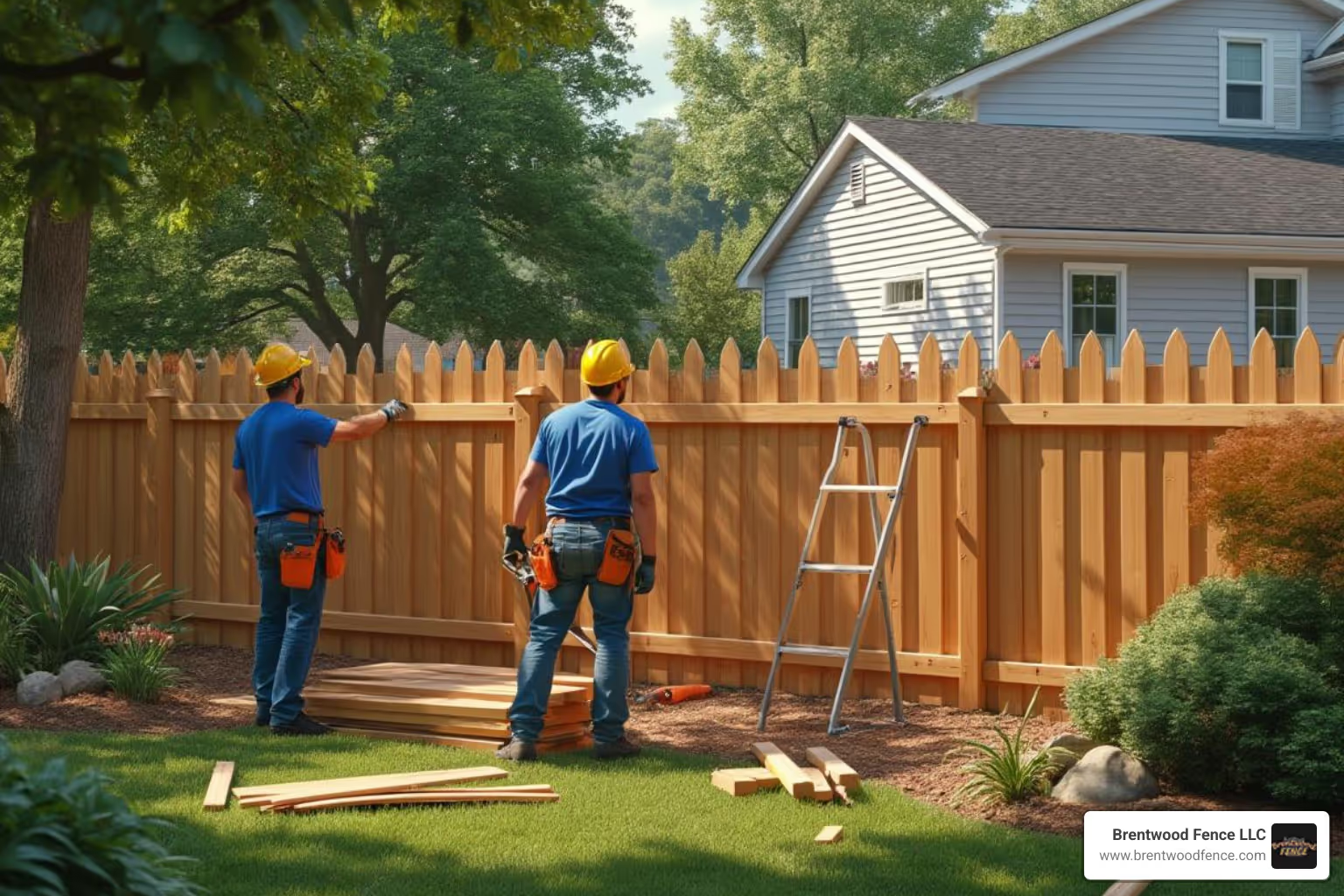
And that's where professional installation really matters. Frank Lloyd Wright knew what he was talking about when he praised wood's intimate beauty, but even the most beautiful material needs skilled hands to install it properly. Our team at Brentwood Fence LLC knows the ins and outs of building fences that stand up to harsh winters, humid summers, and everything our region throws at them. We understand proper post depth, drainage considerations, and all those details that separate a fence that lasts from one that disappoints.
If you're feeling ready to move forward with wooden fencing for your property, we'd love to talk with you about your vision. Contact us for professional wood fencing installation services and let's create something beautiful together—a fence that protects what matters most while adding that timeless appeal only wood can provide.
Copyright 2022 Brentwood Fence | All Rights Reserved | Sitemap | Website by Plumb Development a Digital Marketing Agency