Blog Content

27
May
2026
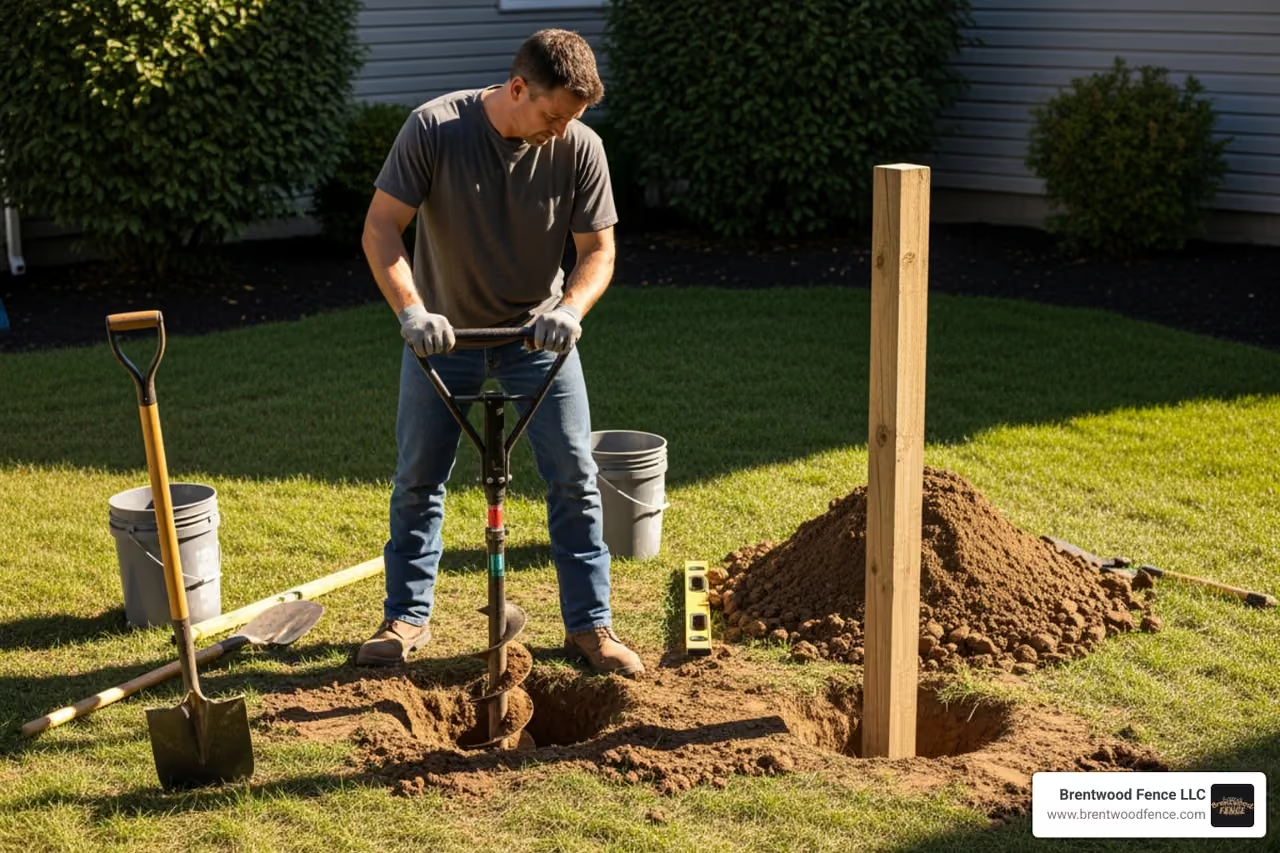
If you're searching for fence post installation near me, here's a quick summary of what you need to know:
Quick Answer: How to Find and Hire Fence Post Installers Near You
Your fence is only as strong as the posts holding it up. That's not a metaphor — it's structural reality.
A beautiful fence panel attached to poorly set posts will lean, sag, or collapse within a few years. The average fencing project costs around $6,800, which makes getting the foundation right a serious financial concern, not just an aesthetic one.
Yet post installation is exactly where most problems start. Holes dug too shallow. Posts set without proper drainage. Concrete poured without accounting for frost depth. These aren't rare edge cases — they're the most common reasons homeowners end up replacing fences far sooner than expected.
The good news? A skilled local installer eliminates all of those risks from the start.
At Brentwood Fence LLC, we've seen what separates a fence that lasts decades from one that fails in a few seasons. It comes down to the posts — and the expertise behind them.
This guide walks you through everything you need to know: the installation process, the right materials, what affects cost, and how to find a contractor you can actually trust near you.

Terms related to fence post installation near me:
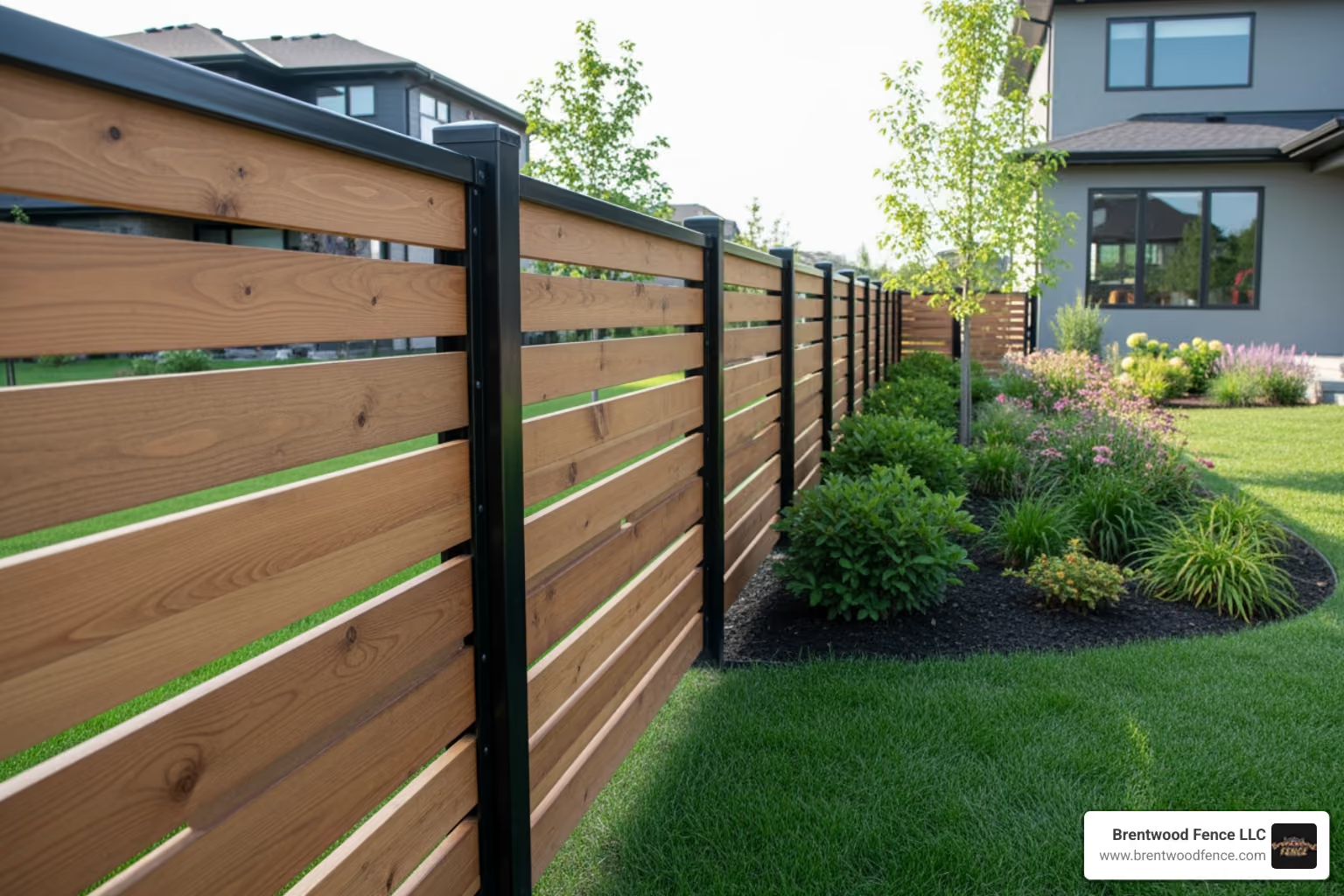
When you look at a fence, you see the beautiful cedar pickets or the sleek vinyl panels. But beneath the surface, your fence is constantly at war. It battles high New England winds, the relentless expansion and contraction of clay-heavy soil, and the literal "heave" of the ground during our brutal winters.
Professional fence post installation near me is essential because it provides the structural integrity needed to win those battles. A professional installer doesn't just dig a hole; they engineer a foundation. Without this expertise, you risk:
Alignment precision is another hallmark of the pro. Have you ever seen a fence that looks like a roller coaster? That’s usually the result of DIYers failing to account for grade changes. Professionals use string lines and laser levels to ensure a crisp, straight line that enhances your property value rather than detracting from it.
Depth is the most critical factor in post stability. In our region—covering New Hampshire, Massachusetts, and Maine—we have to contend with a significant frost line. When the ground freezes, the moisture in the soil expands. If your post isn't deep enough, the frost will literally "spit" the post out of the ground, a process known as frost heave.
As a general rule, we follow the 1/3 rule: at least one-third of the total length of the post should be underground. For a standard 6-foot fence, this means digging at least 3 feet (36 inches) deep. However, local codes in Exeter or Dover may require even deeper footings to get below the frost line, which can reach 48 inches in some parts of New England.
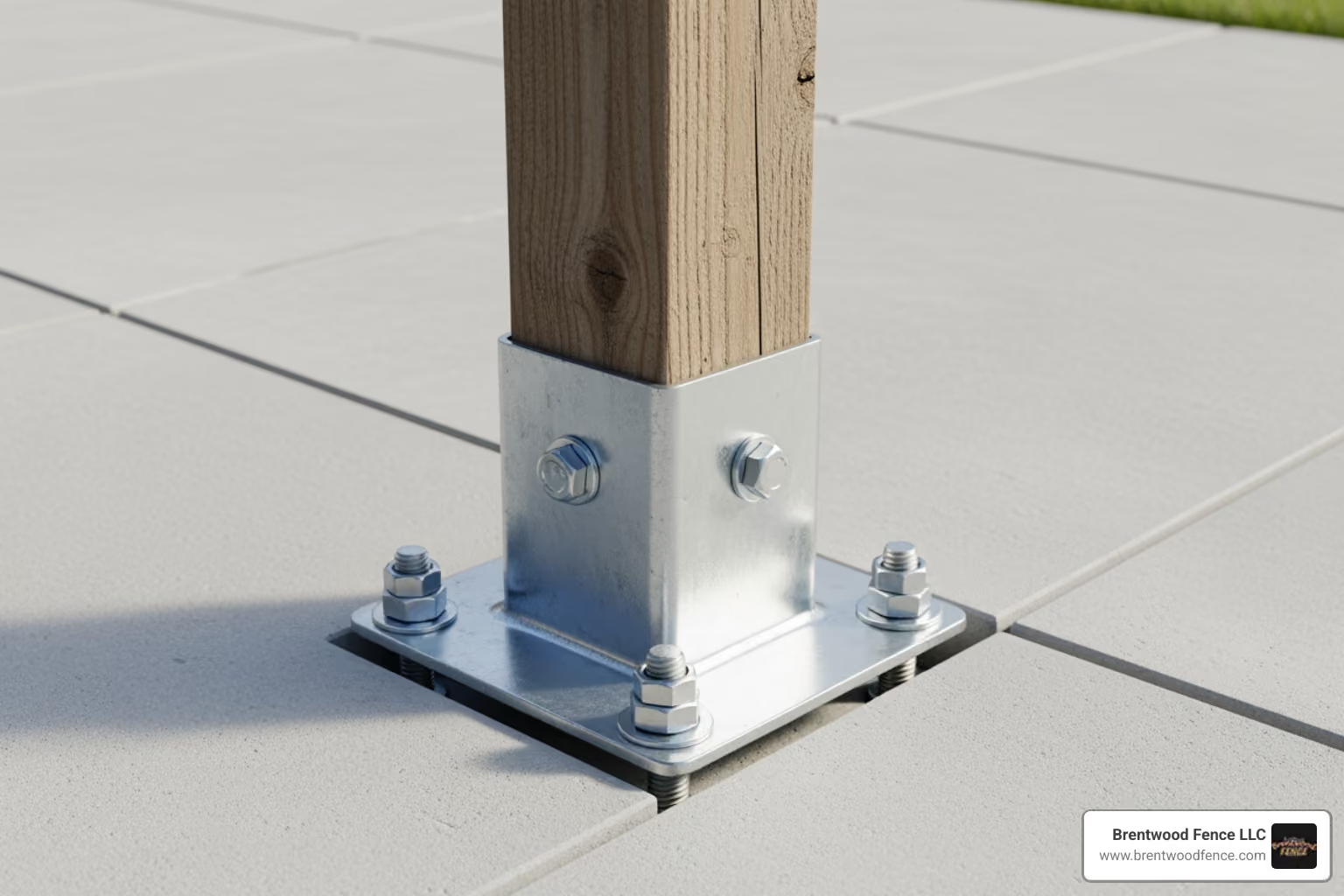
While some decorative applications use above ground fence posts or surface mounts for decks, a true perimeter fence requires deep, earth-anchored stability to survive the elements.
We love the "can-do" spirit of New Englanders, but fence posts are unforgiving. Common DIY errors include:
When you hire for fence post installation near me, you aren't just paying for the labor; you're paying for a systematic process that ensures longevity. Here is how we handle it:
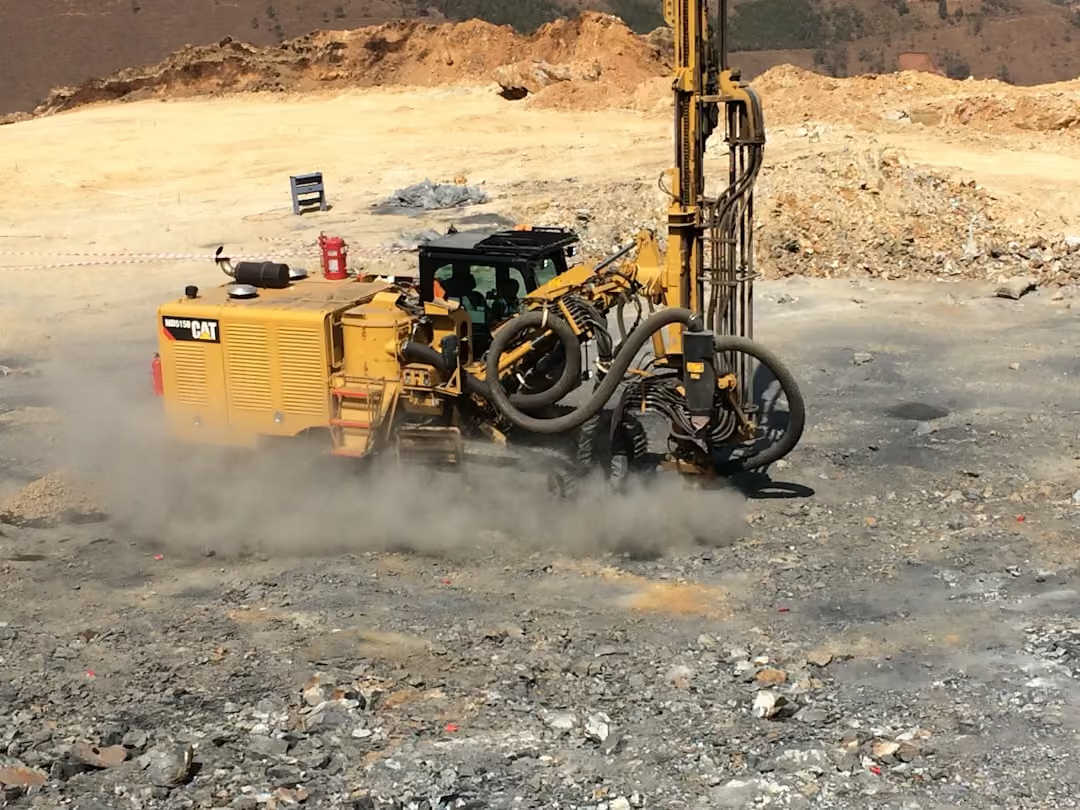
New England is famous for its "ledge" and rocky soil. If we hit a boulder in Haverhill or Concord, we don't just give up. Professionals use heavy-duty equipment like hydraulic post pounders or rock drills to ensure the post is secure.
If you are installing wood fence on a slope, we use either the "stepping" method (where each section looks like a stair) or the "racking" method (where the fence follows the contour of the ground). Both require precise post placement to ensure the panels fit correctly.
Not all contractors are created equal. When searching for fence post installation near me, look for these green flags:
The material you choose for your posts will determine how much maintenance you'll be doing in ten years.
Post MaterialLifespanMaintenanceBest ForPressure-Treated Wood15-20 YearsHigh (Staining/Sealing)Budget-friendly residentialWestern Red Cedar20-25 YearsModerate (Natural rot resistance)High-end wood fencesGalvanized Steel30-50+ Y
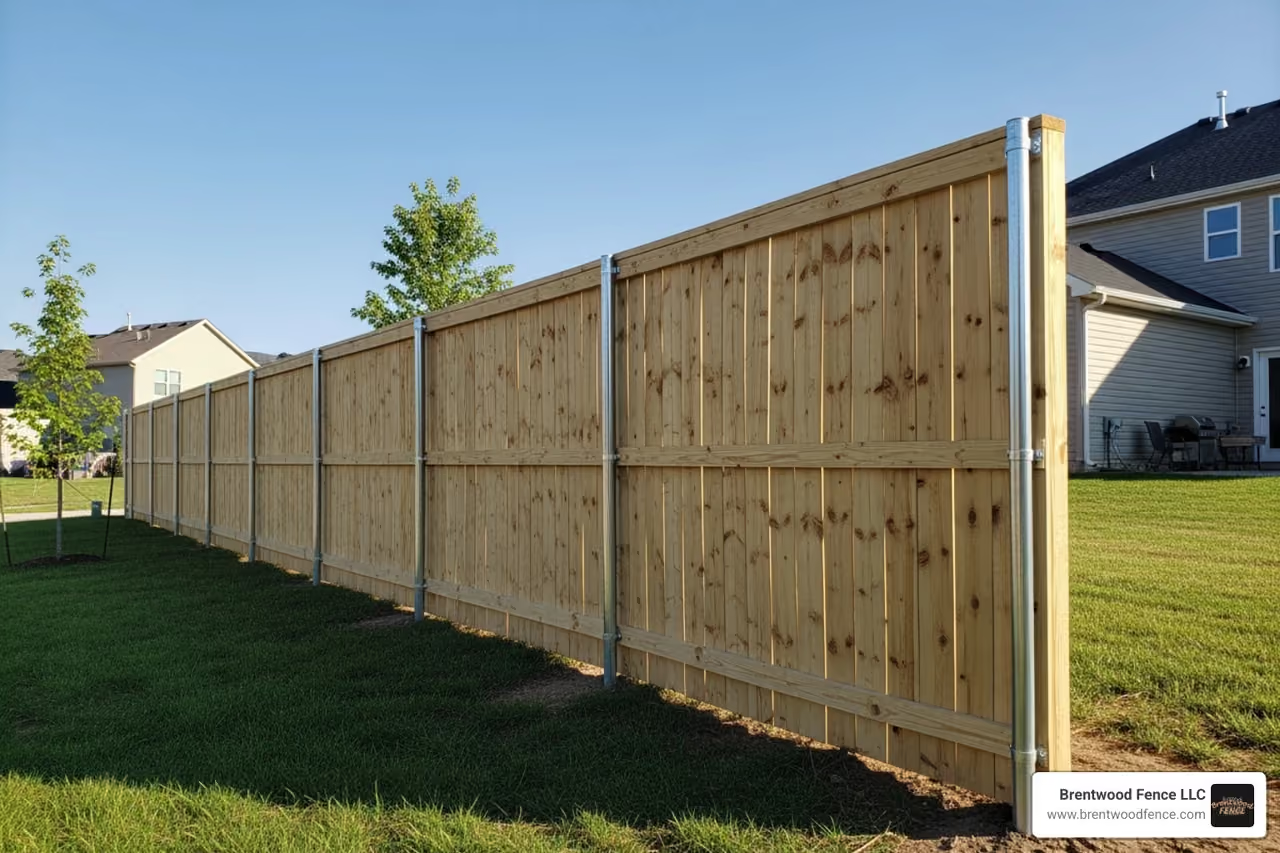
For homeowners who love the look of wood but hate the idea of posts rotting, there is a middle ground. Using a guide metal fence posts for wood fence can show you how steel "Master Posts" or "Post on Pipe" systems provide a lifetime foundation while allowing for beautiful cedar pickets on the outside.
Metal posts offer superior rot resistance and structural strength. While they may have a higher upfront cost, many come with lifetime warranties, potentially saving you thousands in replacement costs down the road.
Even the best installation needs a little love.
When you request a quote for fence post installation near me, several factors will move the needle on the final price:

A typical post installation takes about three days.
Rain can delay concrete pouring, as excess water weakens the mix. However, a light drizzle won't usually stop a professional crew.
Before the first hole is dug, there are several "must-do" steps:
The "job" of the post changes depending on the fence:
Yes! While it's more challenging, it is possible. In New England, we often use "driven" steel posts during the winter months when the ground is frozen. If concrete is required, we use specialized additives that allow the concrete to cure in sub-freezing temperatures without losing strength.
For a standard backyard, the process usually takes 3 to 4 days. This includes one day for layout and setting posts, 24-48 hours for the concrete to fully cure, and one final day to hang the panels and gates.
You should look for a two-tier warranty. First, a manufacturer warranty on the materials (often 20 years to lifetime for vinyl and steel). Second, a workmanship warranty from the installer (at Brentwood Fence LLC, we recommend looking for at least a 5-year labor guarantee). This ensures that if a post leans or a gate sags due to installation errors, the contractor will come back and fix it at no cost to you.
Investing in professional fence post installation near me is the single best way to protect your property and your wallet. While it might be tempting to grab a shovel and try to save a few dollars, the technical challenges of New England’s soil and climate make this a job for experts.
By choosing high-quality materials, ensuring proper depth below the frost line, and hiring a licensed team that understands local regulations in New Hampshire, Massachusetts, and Maine, you ensure your fence remains a beautiful, functional part of your home for decades.
Ready to build a foundation that lasts? Schedule your professional fence post installation today with the experts who know New England terrain best.
Copyright 2022 Brentwood Fence | All Rights Reserved | Sitemap | Website by Plumb Development a Digital Marketing Agency