Blog Content

7
Dec
2025
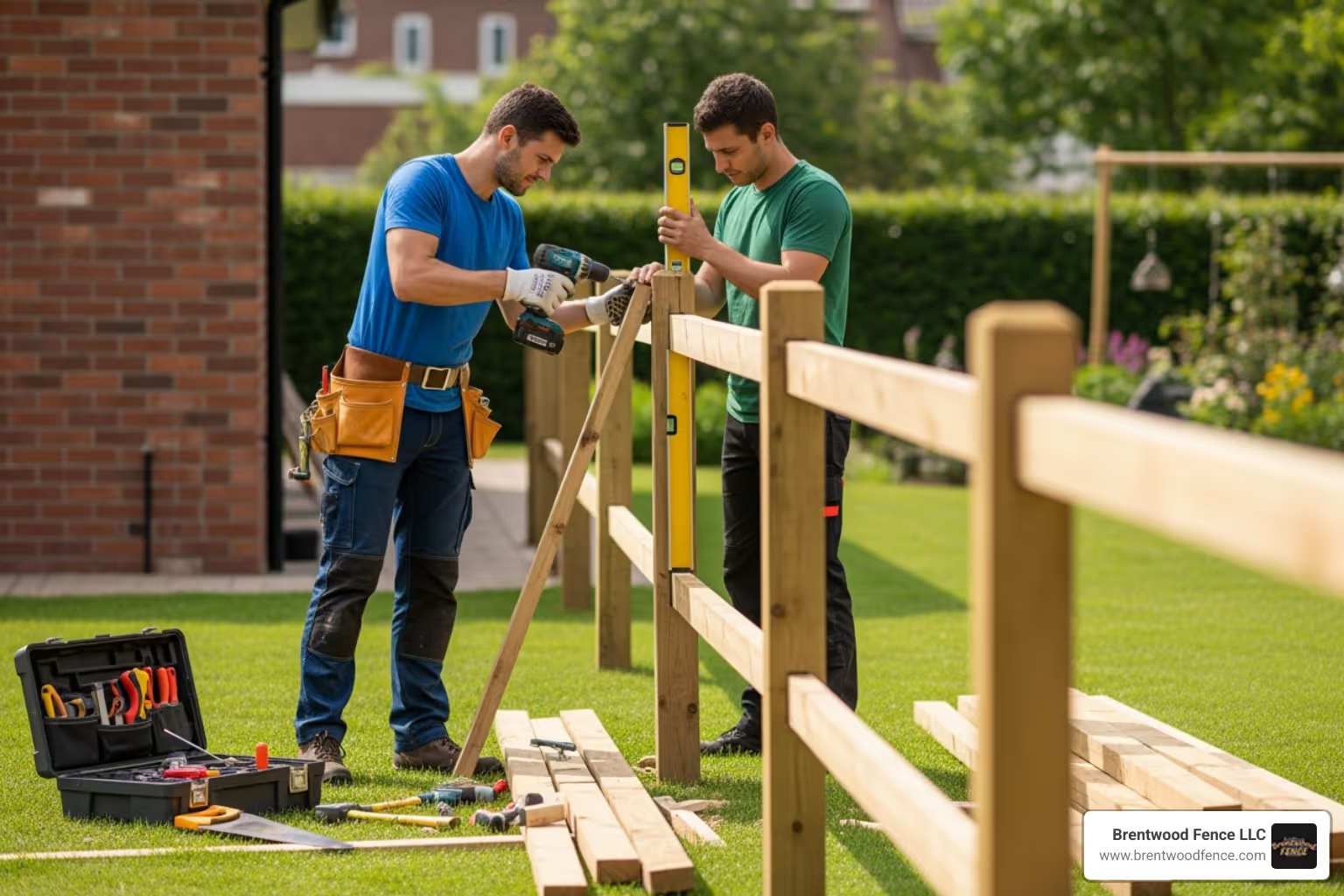
Choosing the right wooden fence installers in my area is the most critical decision for your project. A great installer delivers a durable, beautiful fence that lasts for decades, while a poor one can leave you with leaning posts, rotting boards, and wasted money.
Quick Answer: How to Find Quality Wooden Fence Installers
A wood fence is an investment in your home's privacy, security, and curb appeal, with a typical lifespan of 15 to 20 years. Professional installers ensure this longevity by setting posts correctly, using the right materials for your climate, and handling local building codes. This guide will help you steer the process, ask the right questions, and choose a true professional who gets the job done right the first time.

Find more about wooden fence installers in my area:
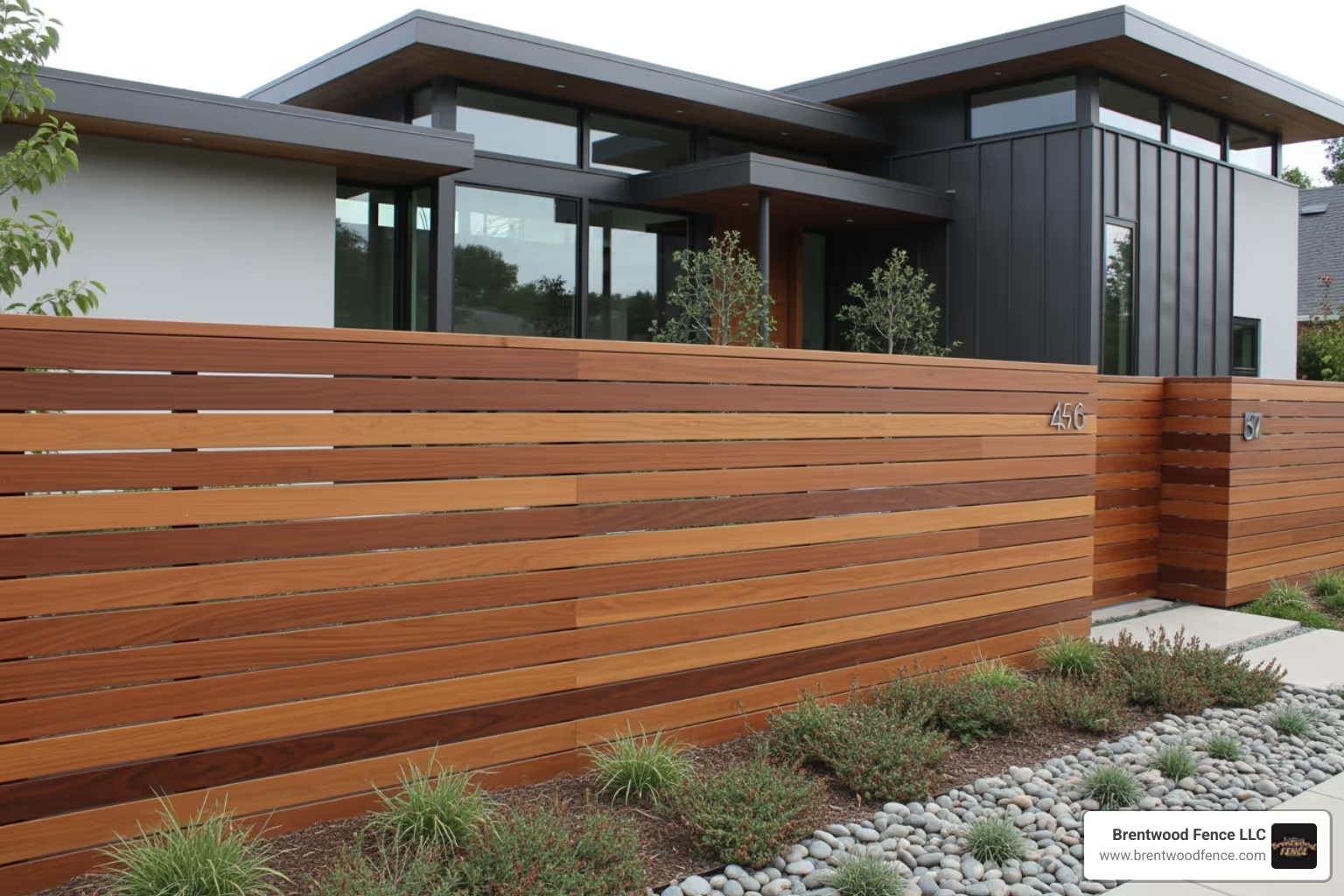
A quality wooden fence offers more than a property line. It creates privacy for your backyard, adds a layer of security for kids and pets, and boosts your home's curb appeal. A well-built fence can even increase your property value and provide some noise reduction.
More info about our Wood Fencing Installation Services
Wood's appeal lies in its unbeatable aesthetics and versatility in design. As a natural material, it adapts to any vision, from rustic to contemporary. Popular styles include privacy fences for seclusion, charming picket fences, sturdy board-on-board fences, and shadowbox fences that balance privacy with airflow.
Learn about different Types of Wood Privacy Fences
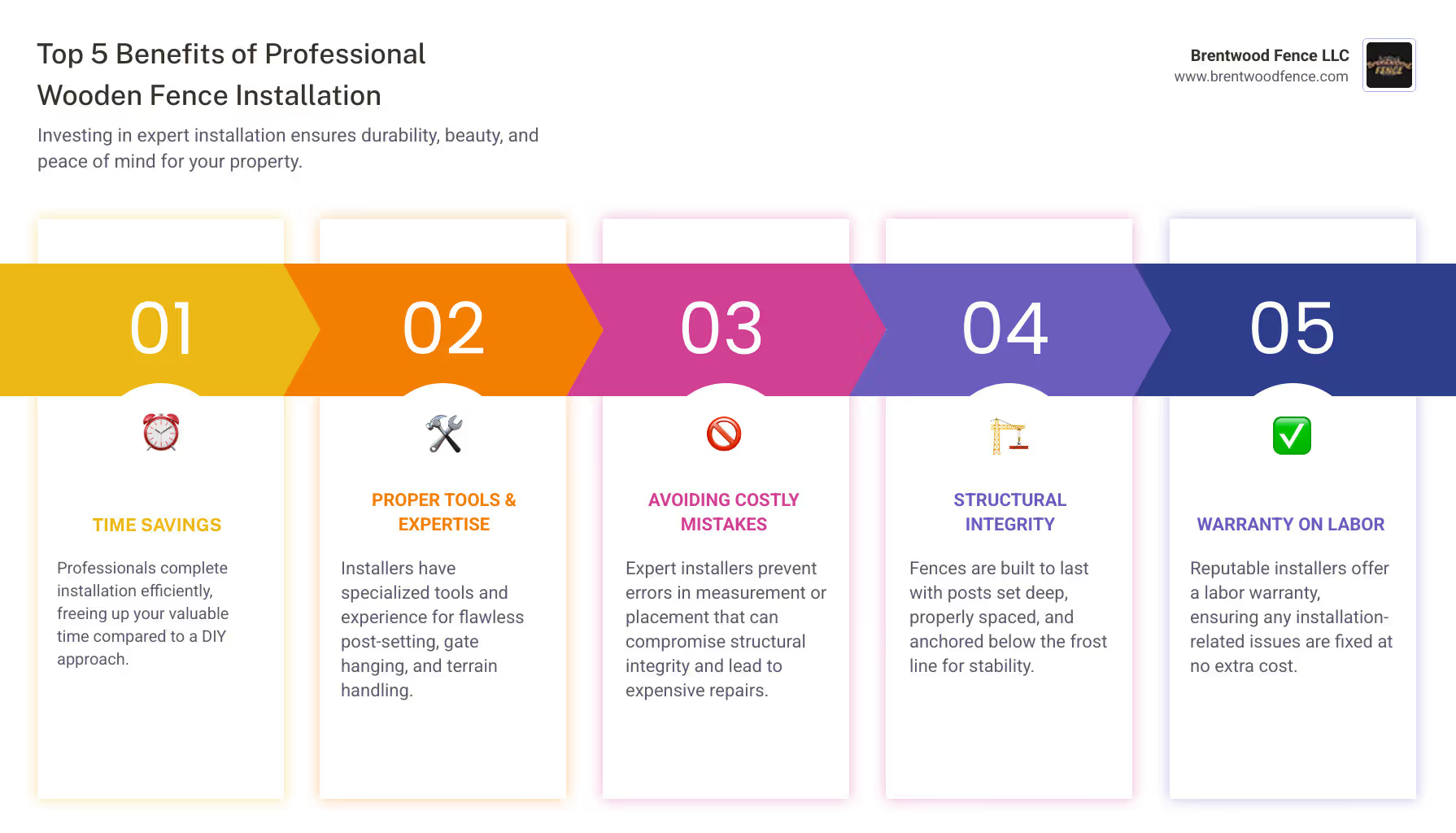
While DIY seems tempting when looking at quotes from wooden fence installers in my area, professional installation is a worthwhile investment. It offers significant time savings and ensures the job is done with proper tools and expertise. Professionals help you avoid costly mistakes like hitting utility lines or setting posts too shallow, guaranteeing the structural integrity of your fence for its full 15-20 year lifespan. Plus, reputable installers provide a warranty on labor, offering peace of mind that a DIY project can't match.
Read our Professional Fence Installation 101 guide
When planning your fence, it's helpful to understand how wood type, style, and property details affect the final cost before talking with wooden fence installers in my area. Key factors include material costs, labor costs, fence height and length, and project complexity like sloped terrain or multiple gates.
What is the Cost of a Wooden Privacy Fence?
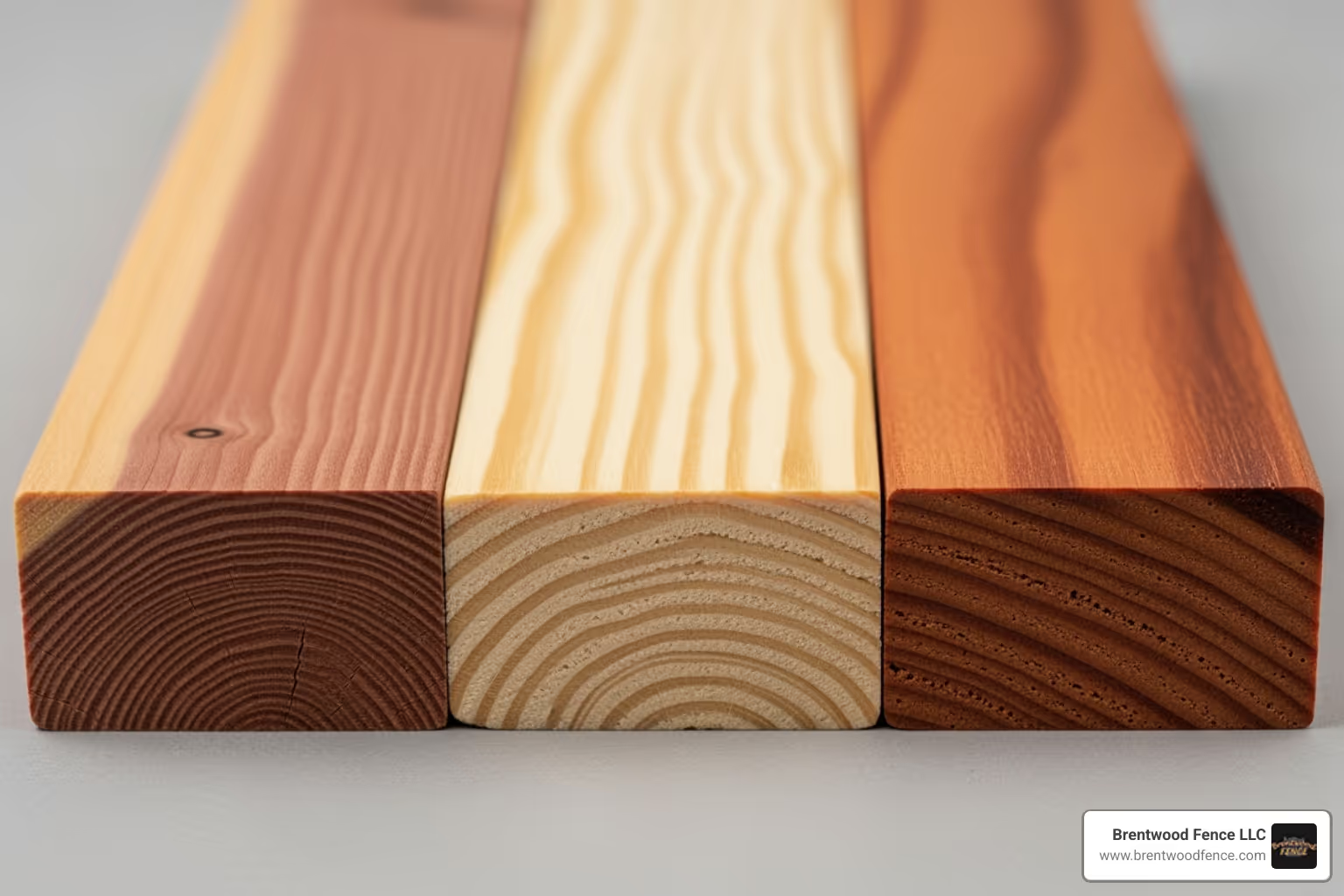
Choosing the right wood is crucial for performance in our local climate. Cedar is a premium choice, naturally resistant to rot and insects. Redwood offers similar benefits with a stunning color but is often more expensive. Pressure-treated pine is an economical, durable alternative that performs well with regular maintenance.
We'll help you weigh the upfront investment against long-term maintenance to find the perfect fit for your budget.
Explore our Complete Wood Fence Rails Guide
Most homeowners in our service area invest between $2,500 and $6,000 for a professionally installed wooden fence, which typically comes out to $15 to $40 per linear foot. Costs increase with fence height, difficult terrain, and custom features like gates or decorative caps. The best way to determine your project's cost is to get an accurate, detailed quote from an experienced professional. We provide transparent estimates that break down all material and labor costs.
Get a Free Fencing Installation Estimate
A wooden fence is a key investment in your property's privacy, security, and curb appeal. The quality of the final result, however, depends on the installation. This guide covers everything from choosing materials to finding a professional installer to ensure your project is a success.
Wooden fences are a timeless choice, offering a blend of natural beauty and functionality. They provide essential privacy for your outdoor spaces and improve security by creating a clear boundary for children and pets. The boost to curb appeal is undeniable, and a professionally installed fence often increases your property value while also offering a degree of noise reduction.
The expertise of professional wooden fence installers in my area is what makes these benefits a reality. Learn more about our Wood Fencing Installation Services.
Wood's primary benefits include its beautiful natural aesthetics and best versatility in design. As a natural, renewable material, it can be crafted into numerous styles, including solid privacy fences, classic picket fences, durable board-on-board fences, and attractive shadowbox fences.
Learn about different Types of Wood Privacy Fences to explore which style best fits your property.
While a DIY approach may seem cost-effective, professional installation provides superior value through time savings, access to proper tools and expertise, and the avoidance of costly mistakes. Professionals ensure the fence's structural integrity by setting posts below the frost line and provide a warranty on labor for long-term peace of mind. When you're investing in your property, it pays to have it done right.
Read our Professional Fence Installation 101 guide to understand what professional installation really entails.
Before contacting wooden fence installers in my area, understanding your options is key. The total project cost is determined by material costs, labor costs, the height and length of the fence, and any project complexity such as slopes or old fence removal.
What is the Cost of a Wooden Privacy Fence?
The best wood for your fence depends on your budget and maintenance preferences. Cedar is a top choice in New England for its natural resistance to rot and insects. Redwood is also highly durable and beautiful but typically costs more. Pressure-treated pine is a budget-friendly option made durable through chemical treatment. Many installers recommend pressure-treated posts for all fence types for maximum ground-contact durability.
Wood TypeDurabilityCostMaintenancePest ResistanceCedarExcellentModerateStaining/Sealing every 2-3 yearsHigh (natural)RedwoodExcellentHighStaining/Sealing every 2-3 yearsHigh (natural)Pressure-Treated PineGoodLow-ModerateStaining/Sealing every 2-3 yearsHigh (chemical)
Explore our Complete Wood Fence Rails Guide
For budgeting, most projects range from $2,500 to $6,000, with an average around $3,000 for 150 linear feet. Factors like wood type, fence height, terrain, and the number of gates will influence the final price. To get a clear idea of your investment, request a detailed quote from a professional installer. We provide transparent estimates so you can plan your project confidently.
Get a Free Fencing Installation Estimate
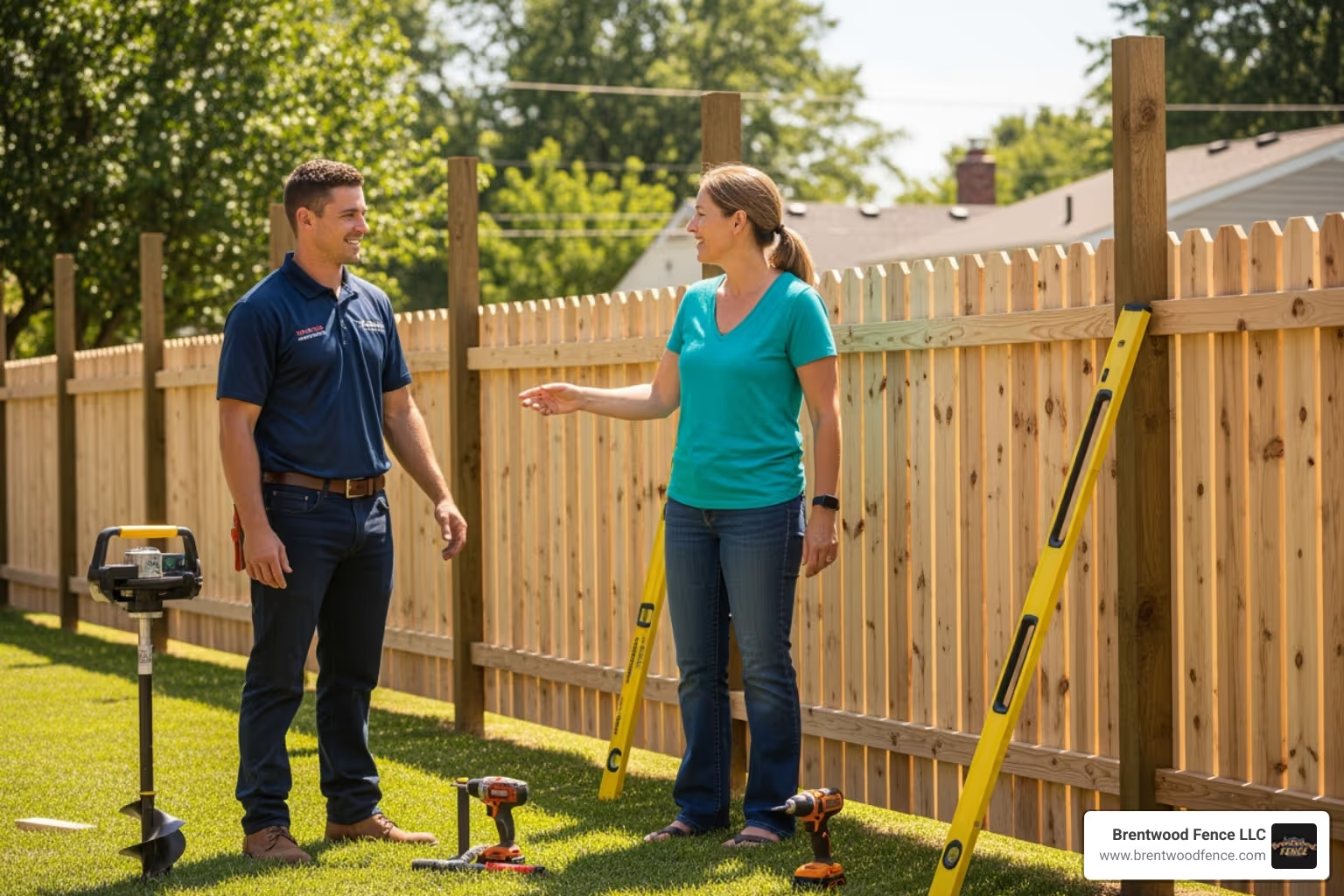
Start your search for wooden fence installers in my area online, but don't stop there. Check local directories and review sites, and ask for word-of-mouth referrals. Look for installers with professional credentials, such as membership in the American Fence Association, which indicates a commitment to industry standards.
Once you have a shortlist, perform your due diligence. Verify their license and insurance to protect yourself. Ask to see a portfolio of completed work and check their experience—a decade or more in business is a good sign. Get references from recent customers and obtain at least three detailed written estimates that break down material and labor costs for a fair comparison.
Our approach as a trusted Local Fence Builder in My Area means providing clear, detailed information at every step.
A professional installation follows a clear process: 1) Initial consultation to discuss your goals. 2) Site measurement and assessment. 3) A detailed written quote. 4) Property line verification to avoid disputes. 5) Calling 811 to mark underground utilities. 6) Digging post holes below the frost line. 7) Setting posts in concrete for stability. 8) Attaching rails and pickets/panels. 9) Expert gate installation. 10) A final cleanup and walk-through to ensure your satisfaction.
Learn how we handle Installing a Wood Fence on a Slope with the same precision and care.
Almost certainly, yes. Most towns in New Hampshire, Massachusetts, and Maine require a permit for fence installation. Regulations cover fence height, setbacks from property lines, and materials. If you're in a homeowners association (HOA), you'll have an additional set of rules to follow. A professional installer can help you steer the permit process and ensure your fence is compliant.
View our FAQ on Fence Installation Service for answers to more common questions.
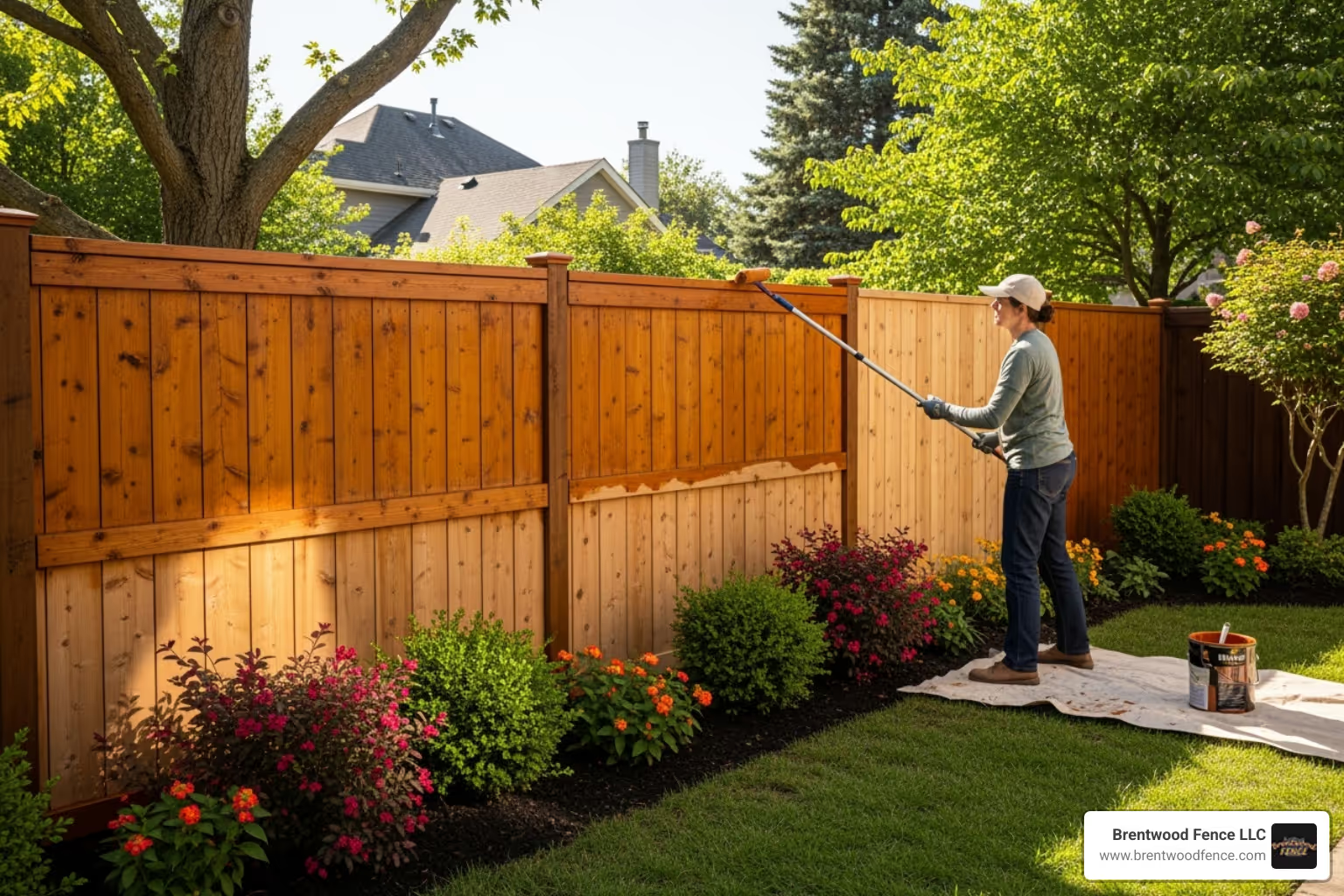
A professionally installed wooden fence from experienced wooden fence installers in my area can last 15-20 years, but it requires proper care to withstand New England's weather. Sun, rain, and temperature swings cause wood to bleach, warp, and rot over time. Consistent maintenance is key to protecting your investment.
To maximize your fence's lifespan, follow a simple maintenance routine:
Our Fence Repair Company offers maintenance and repair services to extend your fence's life.
Know when to repair versus replace. Look for these warning signs:
If you see multiple issues across your fence, replacement may be more cost-effective than repeated repairs. Replacing Wood Fence Panels can be an option when posts are still solid.
Here are answers to common questions we receive from those searching for wooden fence installers in my area.
For most residential wooden fences, posts are spaced six to eight feet apart. The ideal spacing depends on fence height, material weight, and local building codes. Taller fences or those in high-wind areas may require closer spacing for added strength. We will recommend the optimal placement for your specific property's needs.
Posts should be buried to a depth of one-third to one-half of their above-ground height, but more importantly, they must be set below the local frost line. In our region, this prevents "frost heave," where freezing ground pushes posts upward, leading to a leaning fence. We secure every post in concrete below the frost line to create a stable foundation that ensures your fence stays level for decades.
Yes, we strongly recommend it. It's not only courteous but often a legal requirement, especially for fences on or near a shared property line. Open communication prevents disputes over fence placement, style, or height. A simple conversation can ensure a smooth project and maintain a good relationship with your neighbors.
The key to a wooden fence that lasts for decades is expert installation by experienced wooden fence installers in my area. While choosing the right materials is important, professional installation is the foundation of a durable, beautiful fence.
Investing in a professional ensures posts are set correctly, local codes are met, and costly DIY mistakes are avoided. It's peace of mind that your investment in privacy, security, and curb appeal is protected. With simple annual maintenance, your fence will stand strong for years to come.
If you're ready to transform your property with a fence built to last, Brentwood Fence LLC is here to help. We bring years of experience and a commitment to quality to every project. We don't just build fences—we create lasting improvements to your home.
Ready to start your project? Learn more about our Wood Fencing Installation Services
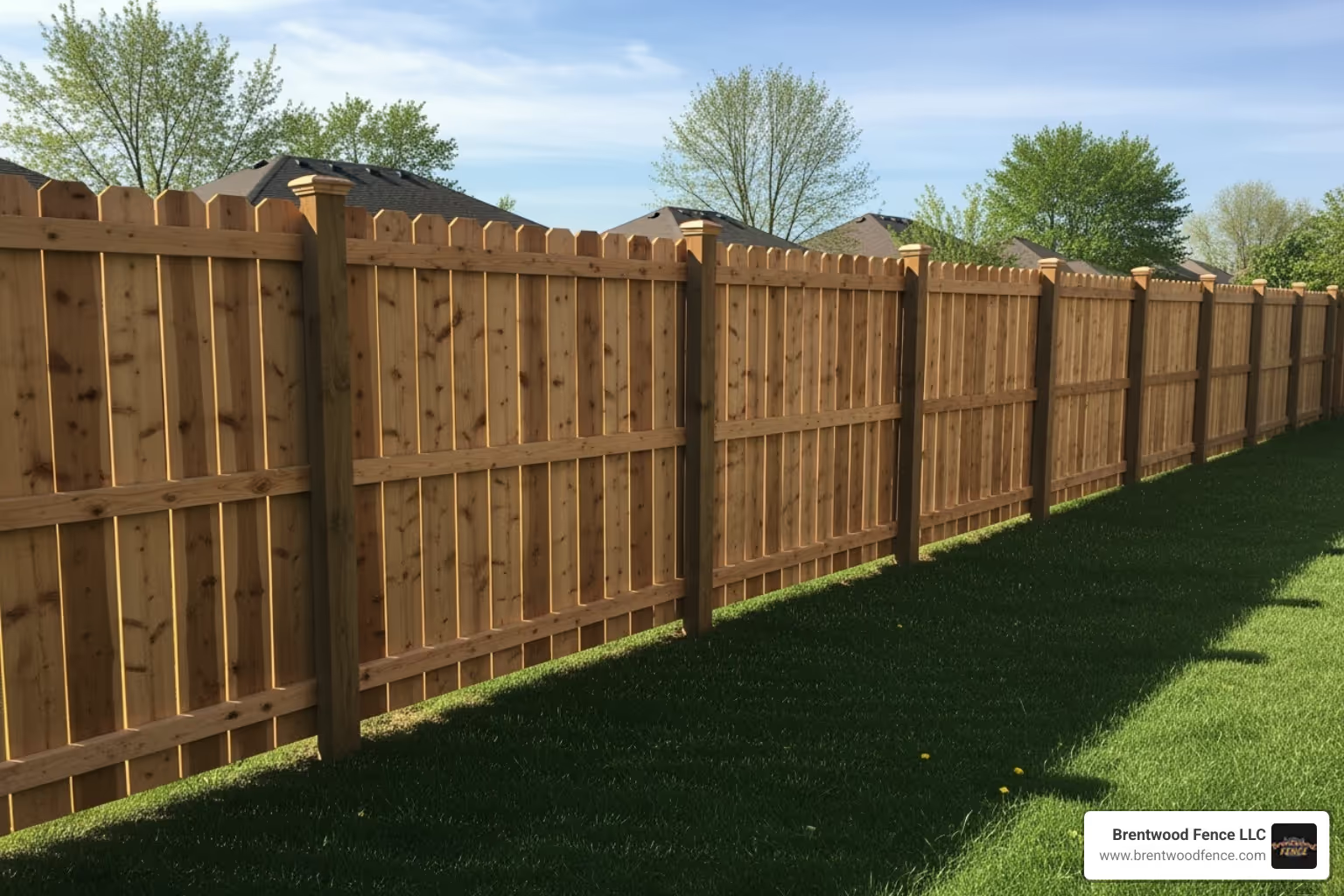

Copyright 2022 Brentwood Fence | All Rights Reserved | Sitemap | Website by Plumb Development a Digital Marketing Agency